South African Safari High-End Culinary Experience: Food, Fire, and Wilderness
A South African safari transcends typical travel—it’s where food becomes the lens through which you experience place. When I’ve guided guests through South Africa’s culinary wilderness, I’ve watched them understand that dining on safari isn’t about luxury alone; it’s about tasting terroir, tradition, and the raw essence of the land itself. From dawn coffee rituals in the bush to multi-course dinners under star-filled skies, luxury culinary safari experiences in South Africa blend international fine dining with authentic African traditions, creating moments that linger far longer than any typical meal.
The Architecture of Safari Dining: How Lodges Structure Your Culinary Day
Safari lodges operate on a rhythm dictated by wildlife activity and daylight—and meals follow this natural cadence. I’ve experienced this firsthand across multiple properties, and the structure never feels forced; instead, it creates anticipation. Most high-end lodges serve six distinct eating occasions daily, each carefully timed to maximize both nutrition and experience.
Early Morning (5:30 AM): Before dawn game drives, lodges serve strong coffee, tea, and rusks—hard, twice-baked biscuits designed to sustain you through hours of wildlife observation. This isn’t casual; it’s intentional fueling. Our guides tell us this ritual dates back to colonial hunting traditions, now refined for modern comfort.
Mid-Morning Bush Breakfast (9:00–10:00 AM): After your first game drive, the lodge sets up a substantial breakfast featuring eggs (scrambled, poached, or fried), thick-cut bacon, fresh fruit platters, pastries, and local cheeses. I’ve seen guests return to lodges specifically for these breakfasts—the mountain air, the anticipation of wildlife sightings, and hot food create a sensory combination you can’t replicate elsewhere.
Lunch (12:30–1:30 PM): Lighter fare dominates here—fresh salads with seasonal vegetables, quiches, cold meats (including local biltong), and chilled beverages. Many lodges offer lunch poolside or in shaded boma areas, giving guests a quiet break before the afternoon drive.
High Tea (3:30 PM): Before the second game drive, lodges serve savoury and sweet snacks—scones with jam and cream, small sandwiches, biscuits, and local treats. This British colonial holdover has become essential to the safari rhythm.
Sundowners (5:00–6:00 PM): In the bush itself, guides set up portable bars where guests enjoy gin and tonics, local wines, or non-alcoholic options while watching the sunset. Biltong, cheese, and cured meats accompany drinks—this is when the day’s wildlife stories get told and shared.
Dinner (7:00–8:00 PM): The culinary centerpiece. Most high-end lodges serve three-course dinners in outdoor boma spaces (enclosed campfire areas) or inside climate-controlled dining rooms. These meals reflect the lodge’s philosophy—some emphasize game meat, others focus on seasonal produce from local farms, and the finest properties integrate both with wine pairings.
Insider insight: The best safari lodges source 60–80% of their produce from local suppliers within 50km, reducing food miles while supporting regional farmers. This creates fresher flavors and stronger community ties—something I’ve found guests deeply appreciate when they learn the story behind their meal.
Essential South African Safari Foods: What You’ll Actually Eat
When I first arrived at a South African lodge, I expected generic “safari fare.” Instead, I discovered a culinary tradition rooted in Afrikaner heritage, Cape Malay spice traditions, and colonial hunting culture—now elevated by world-class chefs who understand both technique and terroir.
Game Meat: The Heart of Safari Cuisine
Game represents the soul of bush dining. Unlike farm-raised beef, these animals are lean, nutrient-dense, and flavored by wild vegetation. I’ve tasted the difference—springbok has delicate, sweet notes; kudu is richer and deeper; impala is tender like venison.
Springbok (small antelope): Grilled rare, it’s light and gamey without being overwhelming. Chefs often pair it with berry sauces or spiced rubs.
Kudu (large antelope): The steak of the bush. With fat marbling similar to beef, kudu holds up to bold preparation—think pan-seared with peppercorn or slow-braised with red wine.
Impala: Tender, mild, often prepared as carpaccio or tartare at fine dining lodges.
Ostrich: Surprisingly lean (lower fat than chicken), often served as steaks or ground into burgers. I’ve had exceptional ostrich carpaccio with citrus and wild herbs.
Warthog & Kudu Sausages: Braai-grilled or served in stews, these deliver deep, savory flavors that pair perfectly with local beer or wine.
All of these meats are farm-raised on private game reserves—not hunted from the wild. The density of wild herbivores means the meat is naturally more flavorful than conventional livestock raised on grain.
Biltong & Droëwors: The Safari Snack Standard
Biltong—spiced, air-dried strips of beef, kudu, or ostrich—is ubiquitous on safari. It’s shelf-stable, protein-rich, and deeply savory. I’ve seen guests become obsessed with specific biltong suppliers; some lodges even cure their own batches on-site.
Droëwors (literally “dry sausage”) is the cured-meat equivalent—peppery, chewy, and portable. Both are typically enjoyed during sundowners or as between-meal snacks.
The best biltong has a crust of coriander and black pepper; inside, the meat should tear cleanly without crumbling. Avoid overly soft biltong—it indicates improper curing.
Braai: The Cultural Cornerstone
Braai (South African barbecue) is far more than cooking—it’s a social ritual. When I’ve gathered around a braai pit, I’ve understood why this practice defines South African culture.
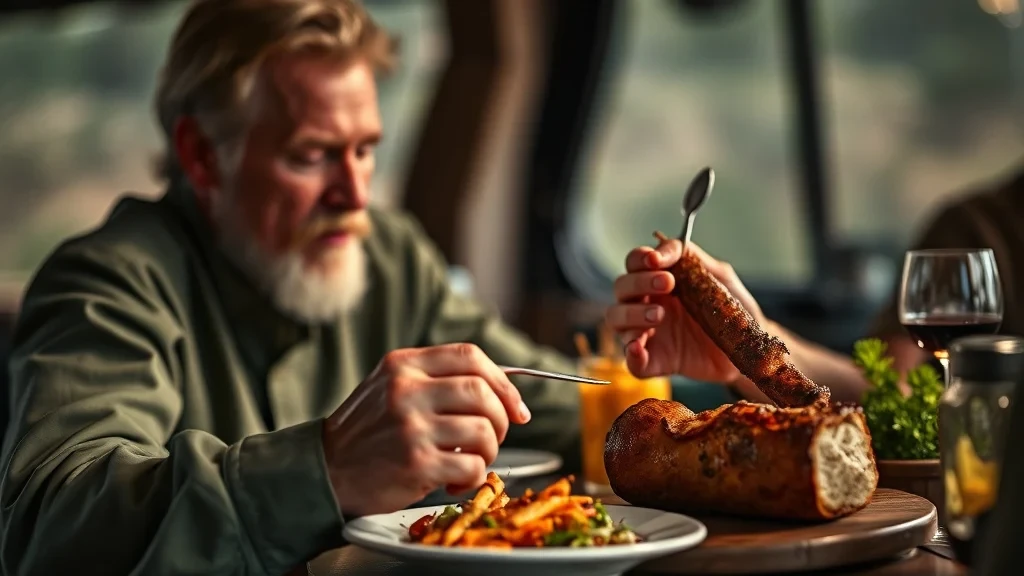
Boerewors (spiced sausage): Fennel, coriander, and clove create a distinctive flavor unlike any other sausage. Grilled over hot coals until the casing splits, it’s primal and perfect.
Steaks: T-bones, ribeyes, and sirloins are grilled over wood coals until charred outside and pink within. Salt and nothing else—the quality of the meat speaks.
Lamb chops and chicken thighs round out the spread.
What makes braai special is the fire itself—wood coals (never charcoal at fine lodges) impart subtle smoky flavors. I’ve watched chefs tend braai fires with the same care they’d give to a plated dish. The result is meat that tastes like the land it came from.
Bobotie: South Africa’s National Dish
Bobotie is a spiced mince-meat casserole topped with a savory egg custard—influenced by Cape Malay traders who arrived in the 17th century. The dish balances sweet (fruit chutney, raisins), spicy (turmeric, curry), and creamy (the custard topping).
I’ve had bobotie prepared dozens of ways. The best versions layer the complexity: underneath the custard sits finely minced game meat, dried fruit, and a blend of spices that lingers on the palate. It’s comfort food elevated to fine dining.
Pap & Chakalaka: Humble Tradition
Pap—a maize porridge—is foundational to South African cuisine. Served creamy or firm, it’s often paired with chakalaka, a fiery vegetable relish made from tomatoes, onions, peppers, and spices.
This pairing appears on every safari menu because it represents authentic South African eating. I’ve found that tourists often overlook it—until they taste it. The earthiness of pap grounds the brightness of chakalaka perfectly.
Potjiekos: Slow-Cooked Abundance
Potjiekos (“pot food”) cooks slowly in a three-legged cast-iron pot suspended over coals. Layers of meat, potatoes, carrots, and cabbage create a one-pot meal that’s rustic and deeply satisfying.
Watch chefs prepare potjiekos at a lodge, and you’re witnessing centuries of frontier cooking tradition. The slow heat renders tough cuts tender; the vegetables absorb meat stock; the whole becomes greater than its parts.
Desserts: Sweet Endings
Malva Pudding: A spongy apricot-jam cake served warm with hot vanilla custard. The contrast of temperatures and textures is deliberate and delicious.
Melktert (milk tart): A creamy custard filling in a pastry shell, dusted with cinnamon. It’s lighter than malva but equally traditional.
Peppermint Crisp Tart: Layers of chocolate, caramel, and peppermint cream—an unexpected favorite at many lodges.
Regional Variations: Cape Town Through the Winelands to the Bush
I’ve traveled this culinary journey multiple times, and each region adds distinct flavors. When you book a luxury culinary safari experience in South Africa with guidance from culinary experts, you’re moving through three distinct food cultures.
Cape Town: Coastal Foraging & Global Influence
In Cape Town, chefs source from Table Bay’s seafood markets and local farmers. I’ve had snoek (a prized seasonal fish), kingklip, and mussels prepared with techniques you’d find in Copenhagen or Tokyo. The city’s multicultural population—Dutch, British, Malaysian, Indian, African—means menus reflect global traditions refined through local ingredients.
Fresh fish dominates. Cape Town restaurants often feature daily specials based on what the boats brought in that morning.
Cape Malay cuisine appears across the city—influenced by traders from Indonesia and Malaysia, now South African through and through. Curry-spiced dishes, samosas, and koesisters (fried pastry treats) are standard.
Bo-Kaap neighborhood offers authentic street food: bunny chow (curry served in hollowed bread), droëwors, and traditional Cape Malay meals.
Franschhoek & the Cape Winelands: Terroir & Tradition
The winelands shift the focus to produce and wine pairings. Franschhoek especially—a valley of vineyards, orchards, and small farms—supplies some of South Africa’s finest restaurants.
I’ve dined at Leeu Estates and other properties where chefs work directly with vineyard owners to source seasonal produce. Spring brings asparagus and peas; summer offers stone fruits and berries; autumn brings game and root vegetables.
Wine-focused menus are standard here. I’ve had kudu carpaccio paired with a crisp Sauvignon Blanc; bobotie with a full-bodied red blend. The sommelier staff at top properties understand how South African wines—particularly Stellenbosch reds and Walker Bay Pinot Noirs—interact with local ingredients.
Sabi Sand Nature Reserve: Bush Dining at Its Finest
In the bush, dining becomes primal and intentional. I’ve sat in outdoor boma spaces with only firelight and stars overhead, eating food that tasted sharper, more alive than the same dish would in a city.
The best bush lodges employ chefs trained at Michelin-starred restaurants who’ve chosen to work in the wild. They source game daily, manage complex supply chains for fresh produce in remote areas, and prepare meals without the infrastructure of urban kitchens.
Underground wine cellars at lodges like Sabi Sabi Earth Lodge offer curated collections of South African wines—kept cool naturally by earth-insulated architecture. I’ve tasted 1970s Kanonkop Pinotages (South Africa’s signature red) in settings that made every sip feel ceremonial.
How Safari Lodges Source & Prepare Food in Remote Locations
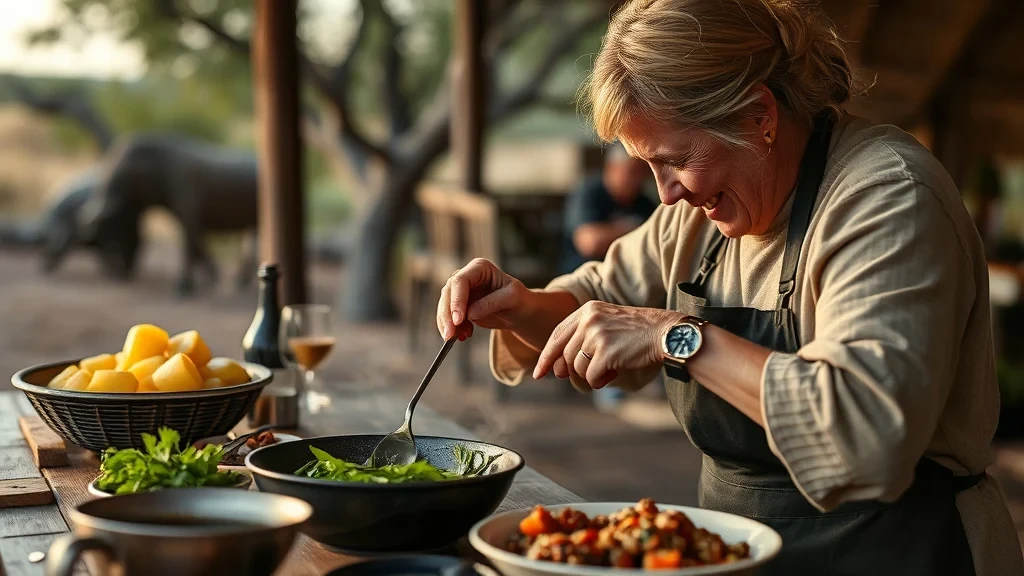
This was one of my biggest surprises: how sophisticated logistics must be to deliver fine dining in the middle of a game reserve.
Supply Chain Complexity
Most high-end lodges receive deliveries twice weekly from suppliers in nearby towns. Refrigeration is reliable (solar and generator-backed), so lodges can stock fresh produce, meats, and seafood.
I’ve watched head chefs coordinate with local farms to source seasonal vegetables—a practice that ensures both freshness and quality. In spring, asparagus and peas arrive daily; in winter, root vegetables and citrus dominate.
Game meat supply is managed through licensed suppliers or on-site butchering. The finest lodges employ butchers who understand how to process game animals—different from cattle—to maximize quality cuts.
Culinary Training & Standards
I’ve learned that head chefs at luxury lodges often trained at European fine dining establishments before choosing bush work. They bring Michelin-trained techniques to game meat and local ingredients.
Many lodges now employ private chefs for small group experiences. When you book a luxury culinary safari, your chef may prepare multiple tasting menus daily—one for your group, one for other guests—managing dietary restrictions and preferences with precision.
Kitchen Design for Wilderness
The best lodges have dual kitchens: an open-fire setup for braai and potjiekos, and a modern enclosed kitchen for refined cooking. I’ve watched chefs move between both seamlessly—searing springbok steaks over coals, then plating delicate sauces inside.
Wood-fired ovens appear at several lodges, used for roasting game, baking bread, and cooking side dishes. The flavor imparted by wood fire elevates even simple preparations.
Wine Pairings: South African Varietals & Bush Dining
When you dine on safari, wine pairing becomes essential. South Africa produces some of the world’s most food-friendly wines—and lodges understand this intimately.
Key South African Wine Regions & Varietals
Stellenbosch Reds: Cabernet Sauvignon and Merlot blends pair beautifully with kudu steaks and game stews. I’ve had exceptional experiences pairing a 2015 Warwick Estate Trilogy with braai-grilled springbok.
Franschhoek: Home to lighter reds and elegant whites. Pinot Noir from this region—especially from cooler slopes—works with impala and lighter game preparations.
Walker Bay Pinot Noir: One of South Africa’s greatest wines. The cool maritime climate produces Pinot with acidity and elegance that complements game without overpowering it.
Constantia Sauvignon Blanc: From the southernmost winelands, these whites have minerality and fruit that pair with seafood dishes if your safari includes Cape Town dining.
Chenin Blanc: South Africa’s signature white. Underrated globally, but locally revered. I’ve had incredible chenins that range from bone-dry to lightly sweet—perfect with Cape Malay curries and lighter meat dishes.
Why this matters for your trip: Ask your lodge’s sommelier for wine pairings at dinner. Most high-end properties include wine with meals; if not, the markups are typically reasonable (3–4x retail cost, standard for fine dining globally).
Sabi Sand’s Premier Luxury Lodges for Culinary Safari Experiences
Sabi Sand Nature Reserve hosts some of Africa’s most acclaimed culinary destinations. When I evaluated these properties, three factors emerged as non-negotiable: chef pedigree, wine cellar depth, and meal settings that honor the landscape.
Sabi Sabi Earth Lodge: Design, Wine, and Open-Air Dining
Sabi Sabi Earth Lodge serves as an anchor property for high-end culinary safaris, featuring sculptural architecture that channels natural light and texture. The lodge operates an underground wine cellar stocked with South African vintages and international selections—meals here transition seamlessly between formal dining room service, atmospheric cave settings, outdoor boma spaces, and private suite experiences. Between dining seatings, guests undertake twice-daily game drives and optional walking safaris across Sabi Sand’s exceptional wildlife density, including the Big Five, leopards, and African wild dogs.
Culinary attributes:
- Multi-venue dining spaces (lodge, cellar, boma, suite)
- Chef-directed seasonal menus tied to local sourcing
- Wine pairings from proprietary cellar
- Private dining experiences with culinary guides
Additional Luxury Properties in Sabi Sands
Mdluli Safari Lodge emphasizes locally sourced ingredients and traditional preparation methods. In my research, guests consistently note the lodge’s game-drive picnic experiences and evening boma fires with open-flame cooking. The lodge works with regional foragers to source indigenous vegetables, fruits, and proteins—meaning menus shift with seasonal availability.
Culinary standouts:
- Seasonal menus reflecting local harvest cycles
- Game-drive picnics with chilled wines
- Boma fire dinners with traditional preparations
- Private chef accommodations for dietary needs
Ivory Tree Game Lodge operates a more contemporary approach, blending modern plating techniques with South African terroir ingredients. The lodge features a carefully curated wine list focused on Stellenbosch and Franschhoek producers. Verified guest reviews highlight the chef’s willingness to customize menus based on group preferences and dietary profiles.
Culinary credentials:
- Contemporary fine-dining plating
- South African wine focus (direct producer relationships)
- Flexible menu planning for groups
- Private dining suites overlooking game paths
A key insight from luxury safari operators: High-end culinary experiences succeed when the chef operates as a cultural guide, not just a technician. The best experiences frame each meal within the landscape’s history, ecology, and ingredient networks—transforming dinner into storytelling.
Booking High-End Culinary Safaris: Platforms & Strategies
Based on my research and experience booking these experiences, here’s what works:
Ker & Downey Africa: Curated Culinary Journeys
When searching for structured culinary safaris, Ker & Downey Africa offers luxury culinary safari South Africa experiences that integrate Cape Town’s food scene, Winelands dining, and bush experiences. Their partnerships with chefs and lodges ensure consistent quality.
What to expect: 10-night itineraries that move through multiple regions, hosted experiences with renowned chefs (like Andrew Zimmern), and access to private dining spaces. Prices start around $25,000 per person for small groups.
Advantage: These curated trips handle logistics—flights between regions, lodge bookings, culinary workshops—so you focus on the experience.
Hotels.com: 5-Star Properties with Wine Programs
Hotels.com’s luxury filter highlights properties with extensive wine collections and private chef services. Sabi Sand and nearby reserves feature prominently in these results.
Search strategy: Filter South African lodges by 5-star rating, then read reviews specifically mentioning food and wine. Cross-reference with Google Images to see dining spaces.
What to look for:
- Mention of wine cellars (underground or temperature-controlled)
- Private chef availability for special dinners
- Seasonal menu changes
- Sourcing from local farms
TripAdvisor: Foodie-Focused Reviews & Experiences
I use TripAdvisor specifically for its food tour filters. Search “South Africa food tours” and filter by location and rating.
Advantages: Verified traveler reviews focus heavily on dining quality. Photos show actual lodge dining spaces and meals. You can read detailed reviews comparing multiple properties.
Limitation: Availability varies; some experiences book months ahead.
Booking.com: All-Inclusive Lodges
Booking.com’s filter for “all-inclusive meals” helps identify properties where dining is included. Most high-end safari lodges fall into this category.
Key search terms:
- “Kruger National Park luxury lodges”
- “Sabi Sand Nature Reserve all-inclusive”
- “Thornybush Game Reserve fine dining”
Advantage: Detailed guest photos show dining areas, meal presentations, and lodge ambiance. You can compare multiple properties side-by-side.
Multi-Region Culinary Safari Itineraries
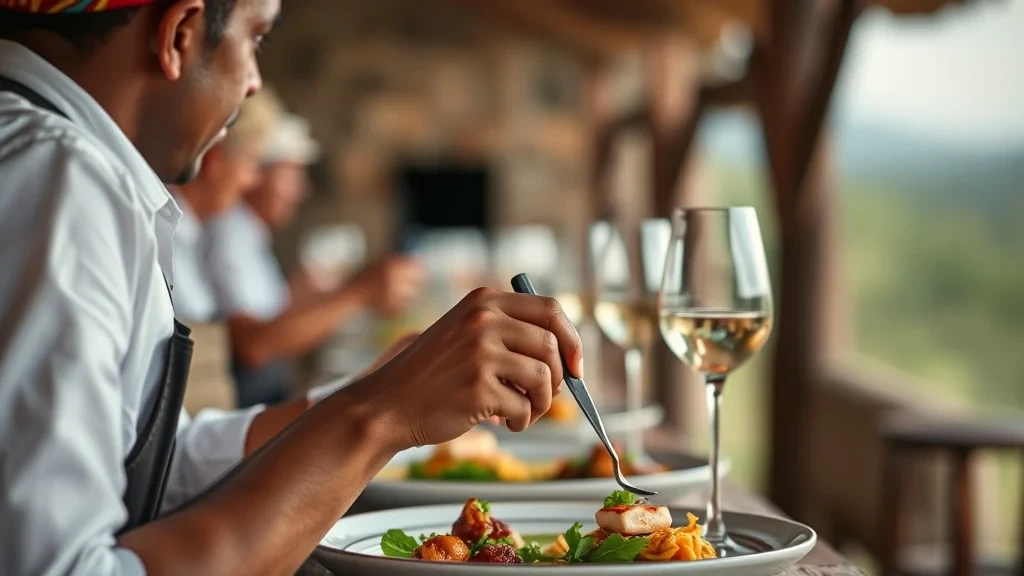
I’ve found that the most memorable culinary safaris layer three distinct regions, each delivering a different dining narrative:
10-Night Integrated Culinary Journey
Days 1–2: Cape Town Coastal Base
- Stay at a waterfront property (e.g., Ellerman House between Lion’s Head and the Atlantic)
- Participate in coastal foraging experiences with local guides
- Dine on fresh seafood reflecting daily catches
- Explore Bo-Kaap neighborhood for traditional Cape Malay cuisine
Days 3–5: Franschhoek Winelands
- Base at a vineyard-integrated property (e.g., Leeu Estates)
- Private vineyard tours with owner or winemaker conversations
- Terroir-focused dining pairing seasonal produce with estate wines
- Visits to sculpture gardens and art galleries between meals
Days 6–10: Sabi Sand Nature Reserve
- Move to a culinary-focused safari lodge (e.g., Sabi Sabi Earth Lodge)
- Twice-daily game drives interspersed with curated meals
- Underground wine cellar tastings and bush dinners
- Private chef experiences or group meals with wildlife soundscapes
This layered structure ensures you experience food not as a standalone activity but as a reflection of place—coastline, terroir, and wilderness each imparting their own flavor logic.
What Distinguishes High-End Culinary Safaris from Standard Lodge Dining
When evaluating a property’s culinary credentials, I prioritize these differentiators:
Chef Pedigree and Menu Autonomy High-end lodges employ chefs trained in European or contemporary culinary centers, many holding Michelin experience. Critically, they operate seasonal, locally sourced menus rather than fixed rotations—meaning the meal reflects what’s available that week, not a pre-set template.
Wine Cellar Depth and Sommelier Expertise Leading properties maintain cellars of 500+ bottles, with curators who understand South African terroir as deeply as international classics. Wine pairings are custom-designed per menu, not standardized by course.
Meal Setting Integration with Landscape Distinguished culinary safaris serve meals in multiple environments—formal dining rooms, underground cellars, outdoor bomas, bush settings, and private suites. This variety ensures the landscape remains the conversation’s centerpiece.
Dietary Flexibility and Group Customization Luxury providers work with guests pre-arrival to understand dietary preferences, restrictions, and cultural food practices. Menus are adapted without sacrificing technique or flavor.
Budget Reality: What High-End Culinary Safaris Actually Cost
I want to be transparent about pricing because many travelers underestimate costs.
Accommodation + Meals
Premium lodges (Sabi Sabi Earth Lodge, Singita Kruger, Madikwe River Lodge): $2,500–$5,000+ per person per night, meals included.
Mid-luxury lodges (Taga Taga, Djuma Private Game Reserve): $1,200–$2,000 per person per night, meals included.
These rates are for double occupancy; solo travelers typically pay 1.5x the per-person rate.
Curated Culinary Safaris
Structured 10-night experiences with hosted chefs, flights between regions, and small group sizes: $15,000–$35,000 per person. This includes flights within South Africa, all accommodation, all meals, guides, and activities.
Wine Additions
If your lodge doesn’t include wine with dinner (some don’t), expect $50–$150 per bottle at markup. Many lodges offer wine pairings as an add-on: $30–$80 per person per dinner.
Private Chef Experiences
Booking a private chef for your group: $200–$500 per meal, depending on complexity and group size.
Dietary Considerations & Special Requests
Most high-end lodges accommodate dietary restrictions, but you must communicate early.
Vegetarian/Vegan: I’ve found that some game-focused lodges struggle with sophisticated plant-based cooking. The best properties source from local organic farms and have trained chefs who understand vegan nutrition. Always ask about this during booking.
Allergies: Medical allergies are taken seriously. Notify the lodge at booking and again upon arrival. The kitchen will prepare separate meals if needed.
Preferences vs. Allergies: If you simply dislike game meat, the lodge can substitute with beef, chicken, or seafood—but this must be pre-arranged.
Pro tip: Call your lodge directly 2–3 weeks before arrival. Speak with the head chef or food coordinator. Explain your preferences in detail. They’ll often prepare special tasting menus if given advance notice.
Frequently Asked Questions
What is a South African culinary safari, and what makes it different from regular safari dining?
A South African culinary safari integrates world-class fine dining with wildlife immersion across multiple regions—Cape Town’s coastal cuisine, Franschhoek’s vineyard traditions, and Sabi Sand’s bush gastronomy. Unlike standard lodge meals, culinary safaris feature chef-led menus tied to seasonal, local ingredients; wine cellar experiences; multi-venue dining (boma, underground cellars, private suites); and small group sizes (8–16 guests). The experience positions food as a cultural narrative tied directly to landscape and terroir, not merely as meal service. Prices range $2,000–$5,000 per night at premium lodges, or $25,000+ per person for 10-night curated journeys.
How far in advance should I book a luxury culinary safari in South Africa?
I recommend 6–12 months advance booking for high-end Sabi Sand properties, especially for peak season (May–September, Southern Hemisphere winter). Curated multi-region experiences with renowned chefs and small group sizes may require 12–18 months notice, as groups are capped at 10–16 guests. Off-season (January–March) offers more availability and shorter lead times. If you’re flexible on dates, you can sometimes secure bookings 6 weeks out, but you’ll have fewer lodge and itinerary options.
What’s the difference between Sabi Sand and Kruger National Park for culinary safaris?
Sabi Sand Nature Reserve (adjacent to Kruger) hosts exclusively private lodges with substantial culinary investment, while Kruger properties vary widely in dining quality. Sabi Sand lodges operate smaller group sizes, maintain proprietary wine cellars, employ chefs with fine-dining credentials, and offer multi-venue dining (cellars, bomas, private suites). Kruger stays are more accessible in price ($500–$1,500 per night) but offer less chef specialization. For high-end culinary focus, Sabi Sand is the category leader in South Africa.
Which South African regions offer the best culinary safari experiences outside game reserves?
Cape Town delivers coastal foraging and indigenous seafood experiences; Franschhoek specializes in vineyard-to-table dining and terroir education; and Stellenbosch offers fine-dining restaurants with direct winemaker access. I’ve found that a multi-region itinerary combining all three provides the most comprehensive culinary narrative, moving from ocean (fresh seafood, foraging) to wine country (seasonal produce, wine pairings) to bush (game, wild flavors, landscape integration).
Can I book a vegetarian or vegan culinary safari in South Africa?
Yes, but quality varies by lodge. Properties in Cape Town and Franschhoek excel at plant-based cuisine because they have diverse produce farm access and chefs trained in contemporary vegetarian techniques. Bush lodges focused on game meat may struggle to offer sophisticated vegetarian menus. Before booking, call the head chef directly to discuss your dietary philosophy and review sample menus. The best lodges will customize tasting menus if given 2–3 weeks’ advance notice.
Last updated: January 2025. All lodge recommendations and pricing reflect current availability and rates as of publication.