My Guide to the Best Safaris in South Africa for Families
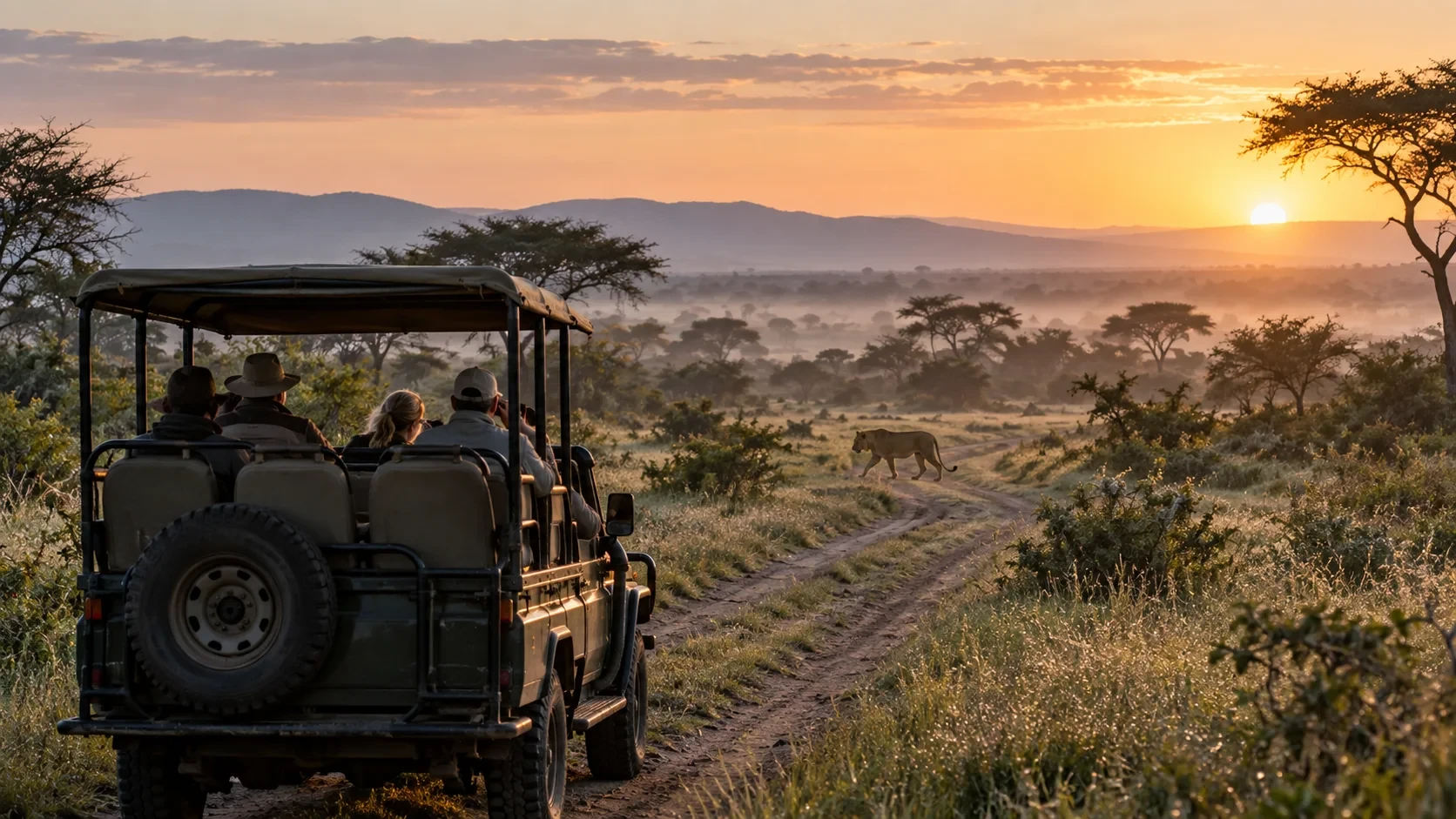
South Africa delivers the absolute best wildlife trips for parents and children. I organize these vacations constantly, and I can confirm that this country dominates the market. The destination merges protected conservation zones with highly developed tourist infrastructure. You can begin planning the best safaris in South Africa for families by targeting locations that prioritise medical safety, fenced camps, and specialised children’s programs. Guides guarantee frequent encounters with massive apex predators while your children develop bushcraft skills through dedicated junior ranger courses. I continually prioritise this nation for multi-generational African vacations because the logistics remain straightforward. You can easily book your next family trip to South Africa while keeping everyone perfectly safe.
Prioritising Health and Safari Safety
Picking the correct environment dictates the success of the entire trip. Dragging a toddler into a high-risk malaria zone is completely illogical. I push clients toward specific private reserves that provide highly recommended malaria-free family safari environments. You view lions, elephants, buffalo, rhinos, and leopards without stressing over mosquito bites, enjoying a completely worry-free safari experience in malaria-free zones. If you have infants or pregnant family members, sticking to malaria-free zones in the North West province and Eastern Cape eliminates the need for harsh prophylactic medications. You skip the nasty side effects of anti-malarial pills entirely. You can understand why malaria-free reserves suit kids under five by looking at pediatric travel recommendations. Additionally, you should read detailed age guidelines for children on safari to verify exactly when your kids are ready for longer drives. South African lodges maintain incredibly high standards for child security. Solid brick-and-mortar structures offer far more protection than traditional canvas tents. Fenced boundaries secure lodge perimeters, keeping wild animals away from sleeping quarters. These enclosed environments let parents actually sleep instead of standing guard like meerkats.
Geography, Weather, and Travel Timing
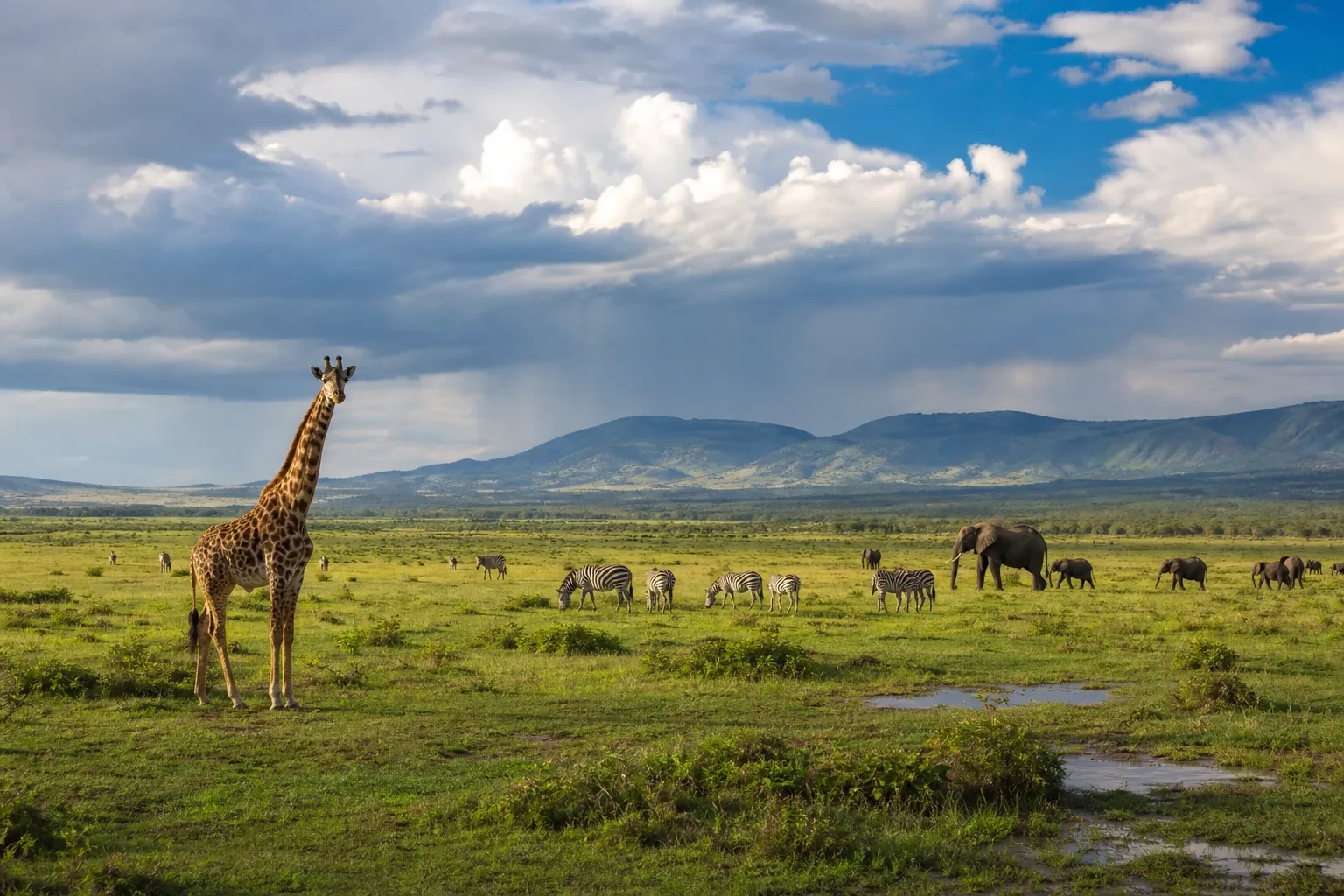
 The physical environment shapes every single game drive. South Africa features incredible biodiversity, from the vast interior plateau to the Great Escarpment. You can easily compare top family safari destinations across the vibrant South African regions to identify the perfect match for your group. The dry winter season runs from May to October. This period maximises your wildlife sightings as animals congregate around limited water sources. The vegetation thins out, making it much easier to spot elusive predators. You face freezing early morning temperatures, but the game viewing makes up for the chill. The green summer season from November to April brings lush vegetation, heavy afternoon thunderstorms, and newborn animals. Bird watching peaks during these wet months, though the thick bushes make tracking predators much harder.
| Season | Travel Months | Weather Conditions | Wildlife Highlights |
|---|---|---|---|
| Peak Dry Season | May to October | Cool sunny days, freezing nights | High concentrations of the Big 5 |
| Low Green Season | November to April | Hot afternoons, heavy thunderstorms | Migratory birds, newborn mammals |
Top Family Safari Destinations
You must select your location based on your family’s exact needs. We always evaluate group composition before finalizing any itinerary. To build the best trip, you can find premier family safaris in the diverse South African bushveld or search for excellent family friendly safari hotels across South Africa.
Madikwe Game Reserve
Madikwe Game Reserve operates exclusively as a malaria-free, family-oriented wildlife sanctuary spanning 75,000 hectares against the Botswana border. You can review essential facts about visiting the malaria free Madikwe Game Reserve to see its high concentration of African wild dogs. The red sands shift into the harsh Kalahari Desert biome, where operators permit off-road driving and nocturnal tracking. You can review private reserve mammal and bird species statistics to confirm the incredible biodiversity in these specific zones.
- Mateya Safari Lodge: Curates an extensive library and premium spa facility. Guests conduct extensive daily game drives.
- Royal Madikwe: Caters specifically to multi-generational groups with a clubhouse suite and private pool.
- Morukuru Farm House: Operates as a completely private exclusive-use villa with a dedicated vehicle and guide.
Pilanesberg National Park
Pilanesberg sits directly inside an extinct volcanic crater, supplying fantastic Big 5 sightings just a two-hour drive from Johannesburg. Families skip complex charter flights and jump straight into the action. The immediate proximity to the Sun City Resort adds a massive logistical advantage, allowing you to spot rhinos in the morning and hit waterslides by noon. I highly suggest you secure your family accommodation at Bakubung Bush Lodge in Pilanesberg National Park for immediate access. You can also target secure fenced accommodations at Bakubung Bush Lodge Pilanesberg or secure your accommodation directly at Bakubung Bush Lodge to lock in your dates. Families frequently succeed by booking family-friendly accommodation near Pilanesberg National Park to guarantee a protected environment. You will maximize your vacation time by selecting an authentic South African bush lodge in Pilanesberg. Other excellent options include Black Rhino Game Lodge and Lush Private Lodge.
The Eastern Cape Safari Circuit
The Eastern Cape consistently delivers spectacular wildlife viewing directly alongside the popular Garden Route. Proximity to this famous coastal road trip circuit makes these reserves highly accessible. You can browse malaria-free Eastern Cape safari hotel destinations or easily view family-friendly safari hotels located in the Eastern Cape region. The best family-friendly lodges and private safari resorts in the Eastern Cape feature dedicated children’s clubs and specialized guides. I love Kwandwe Great Fish River Lodge for its expansive observation decks. You can investigate the incredible biodiversity across thirty thousand hectares at Kwandwe immediately after touring the Cape Winelands. I highly recommend learning about the diverse habitats in the Eastern Cape to expand your southern options.
The Greater Kruger National Park
Kruger National Park supports massive populations of iconic African mammals. The sheer volume of animals guarantees constant action, making it ideal for teenagers and first-time visitors. You can plan your visit to the iconic Kruger National Park in South Africa or plan an extensive family safari to the Kruger National Park without worrying about logistical nightmares. Visitors experience thrilling Big Five game drives within Kruger Park and consistently secure thrilling Big Five encounters in Kruger National Park. I advise anyone wanting to see the absolute highest animal density to visit the famous Kruger National Park with your family. You experience this immense scale firsthand by touring the vast and diverse Krin Kruger Park and consistently secure encounters with the Big Fiveuger National Park region. The private concessions adjoining the main park restrict vehicle numbers to guarantee exclusive viewing conditions. You can learn more about the family activities available in the Greater Kruger area or spend time researching family safari options across the massive Kruger territory. Lodges here construct premium facilities targeting international visitors. You can book luxury family rooms at Kapama Southern Camp, or stay at Singita Boulders Lodge, Lion Sands Ivory Lodge, and Kamara House.
Beyond the Savannah: Coastal Combinations
You should expand your wildlife itinerary beyond the grassy plains. The Whale Coast provides marine viewing just two hours from Cape Town. Hundreds of southern right whales migrate to Walker Bay between June and October. You can book safari itineraries combining Cape Town with Victoria Falls to blend urban comforts with wild animal tracking.
Safari Logistics and Daily Routines
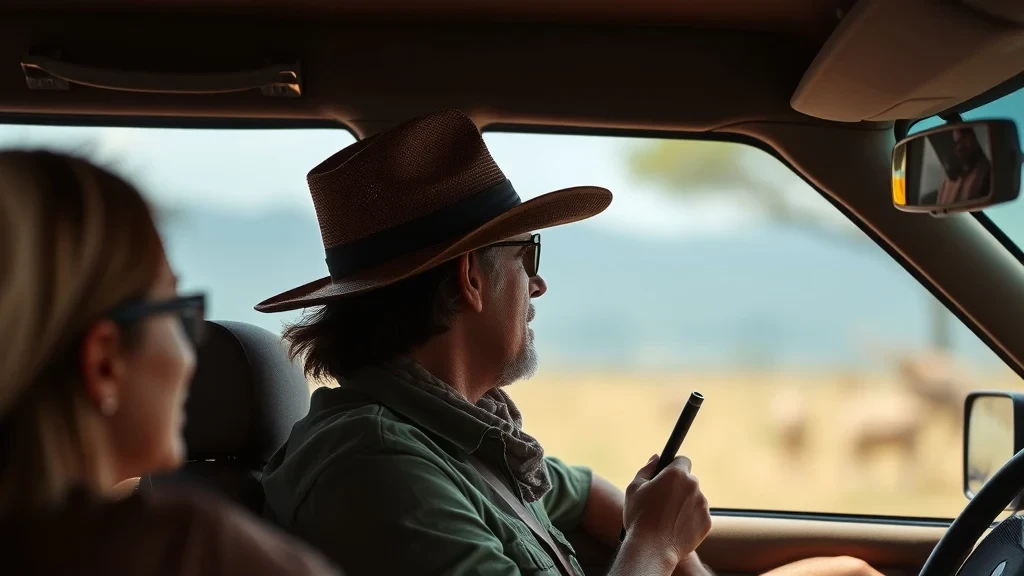
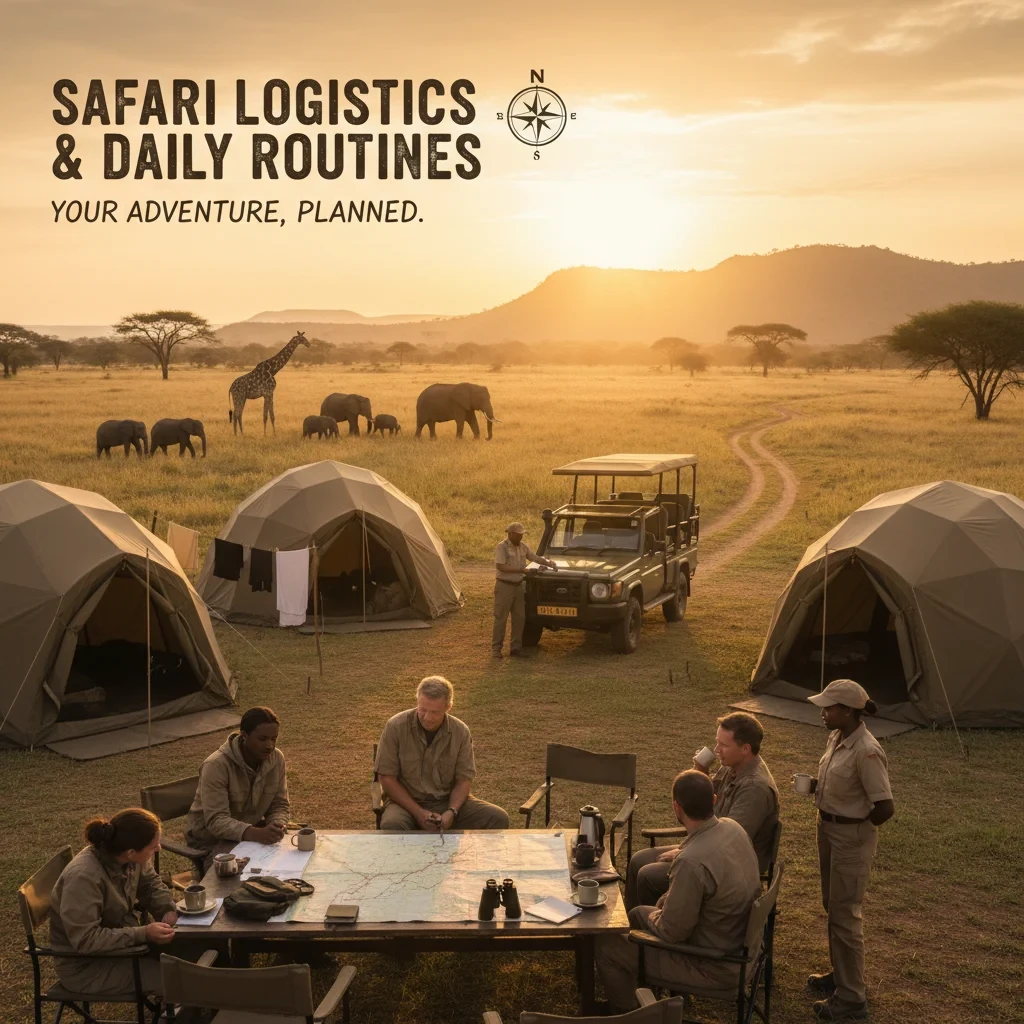 Confining a toddler in an open-top vehicle for four hours requires a miracle. A good private lodge provides that miracle through expert guides. Rangers develop tracking skills through interactive lessons and shorter excursions to mitigate boredom. Many properties feature junior ranger courses that offer activities completely tailored to young safari children. Parents relax at the lodge while kids participate in specialized interactive wildlife conservation activities led by experienced professionals. Standard age limits restrict shared open 4×4 vehicles to passengers older than six years to prevent unpredictable toddler behavior near dangerous game. You maximize viewing performance if you book a private vehicle to bypass these age restrictions. Private vehicles give you complete control over the duration and focus of the drive. Internal transportation also matters. Light aircraft transfers provide rapid transit between remote bush airstrips, saving time and preventing children from getting cranky in the back of a rental car. You need to understand the geographical layout and history of South African game reserves to schedule these transfers accurately.
Planning next: Compare malaria-free safari reserves in South Africa, then review malaria-free family safari packages by child policy, transfer and room type.
Budgeting for Your Trip
African adventures require realistic financial expectations. Location remoteness, trip duration, and comfort levels directly influence your final bill. National park rest camps offer budget-friendly self-catering options, while private game reserves charge a premium for exclusivity. You should budget for all-inclusive packages at private lodges. These packages cover your meals, game drives, and airport transfers, avoiding constant mental arithmetic every time your teenager orders a soda. I highly recommend reviewing a detailed breakdown of South African family safari costs to understand how private guiding and conservation fees support local habitats. We also suggest reviewing structured family safaris, perfect for older teenagers visiting South Africa, as teenage travellers, as teenage travelers require vastly different engagement levels and budgeting than toddlers. I always tell parents to prioritise the guide quality over the thread count of the bedsheets. You pay for the expertise of the tracker sitting on the front of the vehicle spotting a leopard tail flicking in a tree from a mile away. Actionable Steps for Your Trip:
- Choose malaria-free private reserves for young children.
- Book all-inclusive accommodation packages.
- Request private game drive vehicles.
- Pack warm clothing for morning drives.
- Schedule midday swimming pool breaks.
My Answers to your Questions

What age should a child go on a game drive?
Children should ideally start participating around five years old. You will want to book a private vehicle if your family includes infants or toddlers, as public open vehicles restrict access to children under six.
Are these vacations safe for toddlers?
Yes, you can bring toddlers safely. You must book a malaria-free reserve with enclosed perimeters, secure fencing, and dedicated childcare facilities.
Do I need malaria medication for all regions?
Doctors strongly recommend prophylactics for the Greater Kruger area during the wet season. The Eastern Cape, Madikwe, and Pilanesberg operate as strictly malaria-free zones, bypassing the need for medication entirely. Consult a travel clinic before finalizing bookings.
How much does a trip like this cost?
Self-catering national park visits cost less than fully inclusive private luxury lodges. You must calculate private vehicle fees, food, and daily conservation levies to get an accurate total.
What time of year is best?
You should visit between May and October for the dry season. You maximize your wildlife viewing opportunities as animals gather around waterholes, and the mosquito presence drops drastically.
Do private reserves offer better experiences than national parks?
Private reserves deliver superior exclusivity. The management allows off-road driving and limits vehicle numbers, giving you private access to sightings.
Can children participate in walking tours?
Most lodges restrict walking excursions in the deep bush to teenagers aged sixteen and older. You can arrange shorter bug hunts and interpretive nature walks for younger children around the immediate camp area.
What does a typical day look like?
Lodges schedule two separate game drives daily to maximize animal encounters. These three-hour excursions occur at dawn and late afternoon. Guides schedule coffee breaks and sundowner stops to break up the journey, while mid-drive snack stops integrate hot chocolate for the younger guests.
How long should we stay at a lodge?
Families require approximately three to four nights at a specific lodge. Shorter trips create unnecessary fatigue from constant transit.
What should we pack?
Travelers need neutral-colored clothing, sturdy walking boots, and high-SPF sunscreen. The morning drives require heavy jackets and windbreakers. You must bring binoculars for every single family member to prevent constant arguments.