Best Time to Visit Kenya: Month-by-Month Safari Season Guide
Kenya safari timing is a travel-planning decision for wildlife travellers visiting protected areas across Kenya. The right month depends on the reserve, rainfall region, wildlife interest, road access, crowd tolerance and accommodation terms.
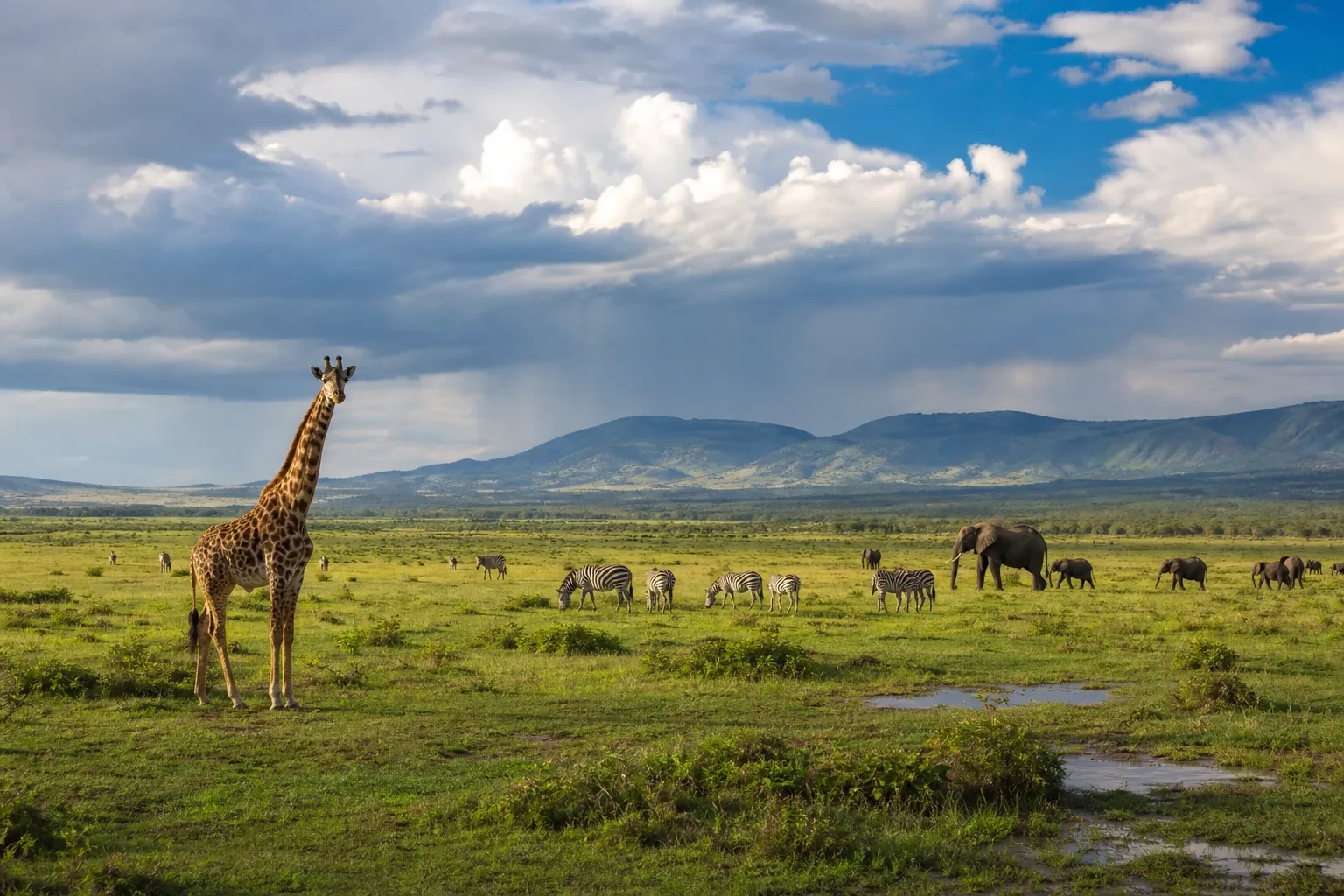
Kenya does not have one national safari season. The Kenya Meteorological Department identifies March to May as the major long-rain period over much of the country and October to December as the short-rain season, but rainfall varies between the coast, highlands, Rift Valley, Lake Victoria basin and arid regions. Travellers should pair the national calendar with the current forecast for the chosen reserve.
Kenya Safari Season Calendar
| Period | Broad weather context | Safari decision | Relevant entity |
|---|---|---|---|
| January–February | Often a drier interval in many safari regions, with regional differences | Compare heat, water distribution and school-holiday demand | Amboseli National Park |
| March–May | Kenya’s main long-rain period over many regions | Ask about road access, airstrips, camp closures and wet-weather drive plans | KMD seasonal forecasts |
| June | Many areas become drier and cooler | Check current herd location before buying migration-labelled accommodation | Great Migration guide |
| July–October | A popular dry-season planning window for the Mara | Expect stronger demand and allow several drives for uncertain river activity | Maasai Mara guide |
| October–December | Short-rain period in many central and eastern regions, with annual variation | Check the latest forecast, road conditions and cancellation terms | KMD seasonal forecasts |
When Is Peak Safari Season in Kenya?
July to October receives strong migration-led demand in the Maasai Mara and often coincides with drier conditions. “Peak” describes booking demand, not a guarantee of a particular animal event. UNESCO describes the Serengeti–Mara migration as a circular movement driven by pasture and water. Herd arrival, river use and return dates can shift.
Travellers who choose this period should compare camp location, vehicle access, number of drive periods and cancellation exposure. Booking farther ahead can widen room choice, but it does not create control over wildlife.
When Does Green Season Make Sense?
Rain can produce green landscapes, active birdlife and lower demand in some destinations. It can also bring tall vegetation, muddy roads, local flooding or seasonal camp closure. A green-season booking makes sense when the chosen property confirms access, activities and transfers for the exact dates.
- Photographers can work with green backgrounds, cloud structure and cleaner air after rain.
- Birders can compare resident species with seasonal migrants.
- Families should check travel time, malaria advice, child policy and room layout.
- Road travellers should ask about the final unsealed section and backup route.
Choose the Reserve Before the Month
- The Maasai Mara connects resident wildlife to the northern migration route.
- Amboseli National Park connects permanent wetlands to elephant viewing and Kilimanjaro views.
- Samburu and northern reserves connect arid habitats to species and conditions different from the Mara.
- Coastal Kenya follows a different travel purpose and rainfall pattern from an inland game reserve.
- Kenya Meteorological Department publishes the current seasonal outlook that should replace assumptions based on an average year.
How to Compare Seasonal Value
Do not infer a saving from a season name. Record the room price, meal basis, taxes, park or conservancy fees, shared or private game drives, transfers and cancellation terms. Then compare the same dates and inclusions. The African safari seasons guide explains how dry and green periods differ across the continent.
Frequently Asked Questions
What months should travellers avoid Kenya?
No month is unsuitable across the entire country. March to May can bring heavier rain and difficult roads in some safari areas, but conditions vary by region. Check the destination and current forecast rather than excluding the whole country.
Is January a good time to visit Kenya?
January can work for travellers seeking a drier interval in several safari regions. Compare heat, water availability and the chosen reserve’s wildlife focus. January is not the main Maasai Mara river-crossing period.
When should travellers book a migration safari?
Book when the preferred camp and room type are available within the broad July–October Mara window. Keep the wildlife expectation flexible and reject any guaranteed-crossing promise.
Where should travellers check current weather?
Use the Kenya Meteorological Department seasonal forecast and ask the lodge about local roads, airstrips and recent conditions.
Compare Kenya Safari Accommodation and Flights
Compare the same dates through Expedia Kenya travel options, Booking.com Kenya safari lodges and Kayak Kenya flights. Check the final supplier terms before payment.