Safari Photography: Equipment, Settings and Technique for African Wildlife
Safari photography demands telephoto lenses of 300–600mm because ethical wildlife observation requires minimum 30-metre distance from animals. Golden hour light (05:30–09:30 and 16:00–18:30) produces optimal contrast and colour temperature for wildlife portraiture.
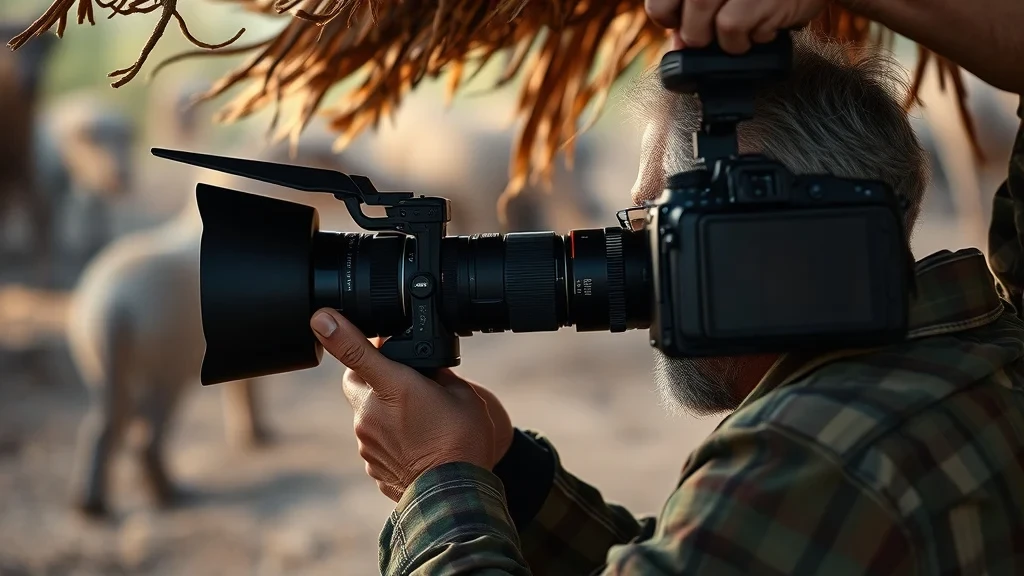
Essential Safari Photography Equipment
| Equipment | Specification | Purpose | Priority |
|---|---|---|---|
| Telephoto lens | 400mm f/2.8 or 500mm f/4 | Predator and bird portraits | Essential |
| Camera body | Sony A1 / Canon R5 / Nikon Z9 | High ISO performance (ISO 6400–12800) | Essential |
| Beanbag | 40cm × 25cm, filled on-site | Vehicle window lens stabilisation | Essential |
| 1.4× teleconverter | Matched to prime lens | Extends 400mm to 560mm f/4 | Recommended |
| Spare batteries × 3 | Camera-specific OEM | Cold morning discharge compensation | Essential |
| Memory cards × 4 | V60+ rated, 256GB | 4K video + 30fps burst buffer | Essential |
Camera Settings for Safari Conditions
- Single-shot AF works for stationary subjects (resting lions, grazing elephants)
- Continuous tracking AF (Sony Real-Time Tracking, Canon Animal Eye AF) locks onto moving predators
- Electronic shutter silences camera operation at close proximity — critical inside photographic hides
- RAW format preserves 14-bit data enabling shadow recovery in high-contrast savannah backlight
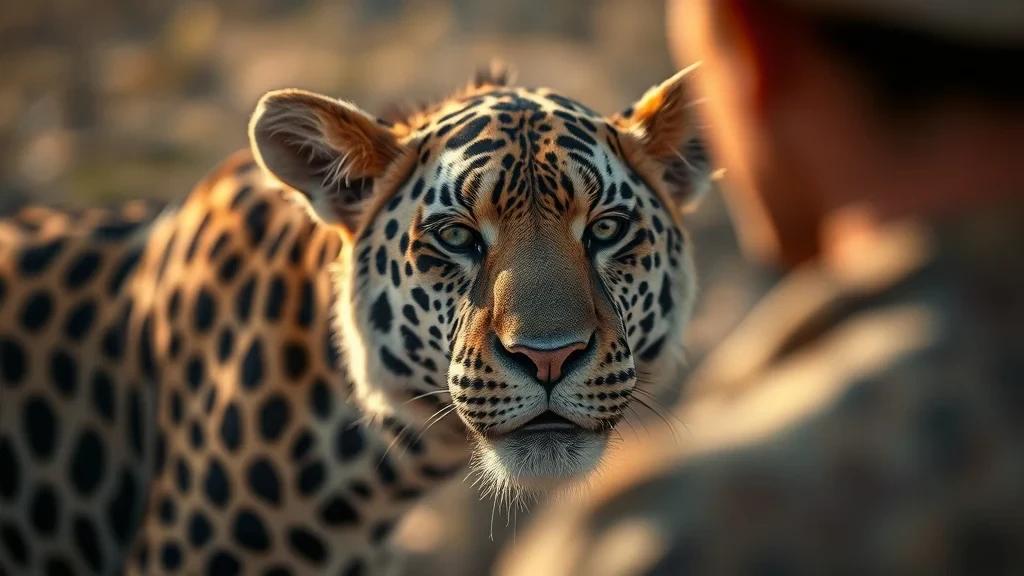
How Photographic Hides Transform Safari Photography
Sunken photographic hides position the lens at animal eye-level — 1–1.5m above ground — eliminating the vehicle’s elevated silhouette. Mashatu Game Reserve (Botswana) produces elephant portraits at 3-metre proximity.
Book photography-focused safari lodges via Booking.com Photography Safaris, compare via Expedia Africa Safari, or find specialist lodges on Hotels.com Photo Safari.
Frequently Asked Questions
What is the best camera for safari?
The Sony A1 leads safari photography with 30fps burst rate and Animal Eye AF. Budget alternative: any mirrorless body with a 100–400mm zoom delivers excellent results.
Should I bring a tripod on safari?
Beanbags replace tripods entirely for vehicle-based photography by conforming to the window ledge and dampening engine vibration.