Why Africa’s Bush Beats Europe’s Cold
Why Africa’s Bush Beats Europe’s Cold delivers summer warmth and richer wildlife encounters while Europe records winter cold. I book Eastern Cape malaria‑free reserves for December–February warmth and recommend Lowveld dry‑season trips for May–September big‑game visibility.
I write from direct booking practice and field experience. I routinely route UK travellers to malaria‑free reserves for family comfort and to the Lowveld for peak photographic game drives. Sources I use to confirm timing and logistics include Lonely Planet and SafariBookings for seasonality, British Airways for routing, SANParks for Addo data, WHO for malaria maps, and regional climate reporting for unusual European heat events (Lonely Planet, SafariBookings, British Airways, SANParks Addo, WHO malaria programme, regional climate report).
Seasonal reversal and climate drivers
Why Africa’s Bush Beats Europe’s Cold increases travel warmth and wildlife encounters.
Southern Hemisphere seasons make South African summer coincide with Northern Hemisphere winter.
Southern Hemisphere timing produces the core travel decision for UK winter escapes. I watch December departures from the UK arrive into South African high summer when reserves report lush vegetation, late‑afternoon thunderstorms, and peak calving in many plains species. Regional climate coverage explained how atmospheric blocking drove higher European temperatures while some North African coasts stayed cooler due to ocean currents (regional climate report). I use those meteorological cues when advising clients about simultaneous weather extremes.
Flights, time zones and jet‑lag
Southern Hemisphere seasons produce opposite‑season travel opportunities.
Direct overnight London–Johannesburg flights require approximately 11 hours 20 minutes.
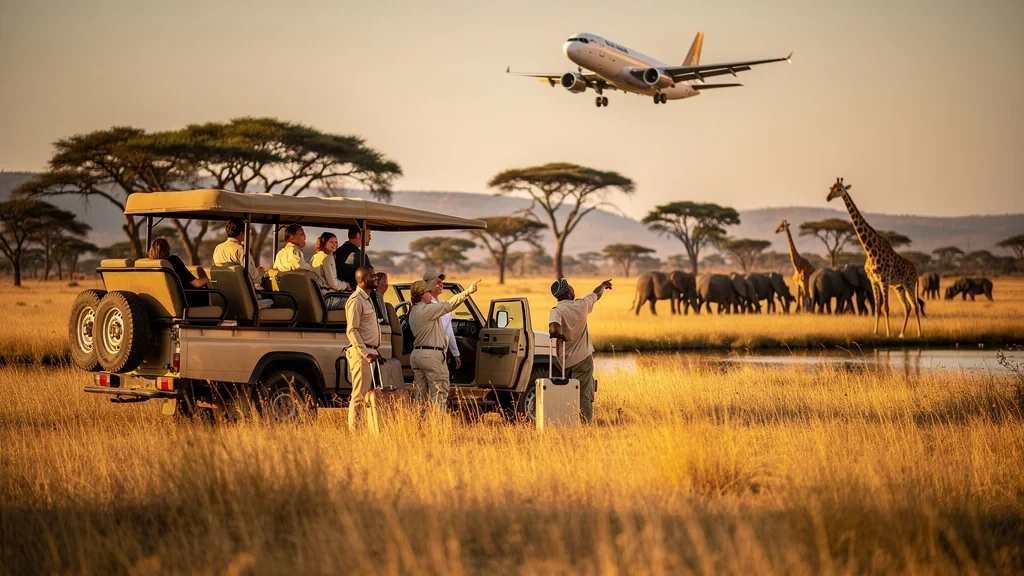
I recommend overnight flights to compress travel into sleep hours and preserve daytime for game drives. South Africa operates on UTC+2 year‑round, so UK travellers face a two‑hour winter time difference that I find easy to manage. Airlines publish these route durations and I confirm timings on carrier route maps before I book client itineraries (British Airways). I schedule arrival afternoons and first‑full‑day drives to reduce recovery time.
Temperature, daylight and the trip decision
Flights and routes determine arrival windows and transfer times.
Cape/Lowveld summer typically provides daytime highs of 20–26°C, nights of 13–18°C, and about 11 hours of daylight.
I measure the travel appeal in direct numbers because clients plan around temperature and light. London December averages near 7°C daytime and 1°C nights, which contrasts sharply with South African summer figures above. That daylight reversal enables long morning drives and late‑afternoon game windows. I advise lightweight layers, sun protection, and a warm early‑morning jacket for drives.
Malaria risk and reserve selection
Temperature and daylight guide destination selection and health planning.
Eastern Cape reserves lie outside the malaria transmission zone, permitting travel without anti‑malarial prophylaxis for most clients.
I prioritise malaria‑free properties for families and pregnant travellers who request no prophylaxis. Reserves such as Amakhala, Shamwari, Kariega, Kwandwe, and many private Eastern Cape properties operate beyond the malaria belt; I confirm status directly on reserve pages and against WHO maps (WHO malaria programme). By contrast, Kruger and Greater Kruger Lowveld reserves carry malaria risk and I advise prophylaxis or robust mosquito precautions when I route clients there.
Green season versus dry season: wildlife trade‑offs
Malaria profile and seasonality determine wildlife outcomes.
The dry season concentrates wildlife at permanent water, while the green season produces newborns, migrants, and lush scenery.
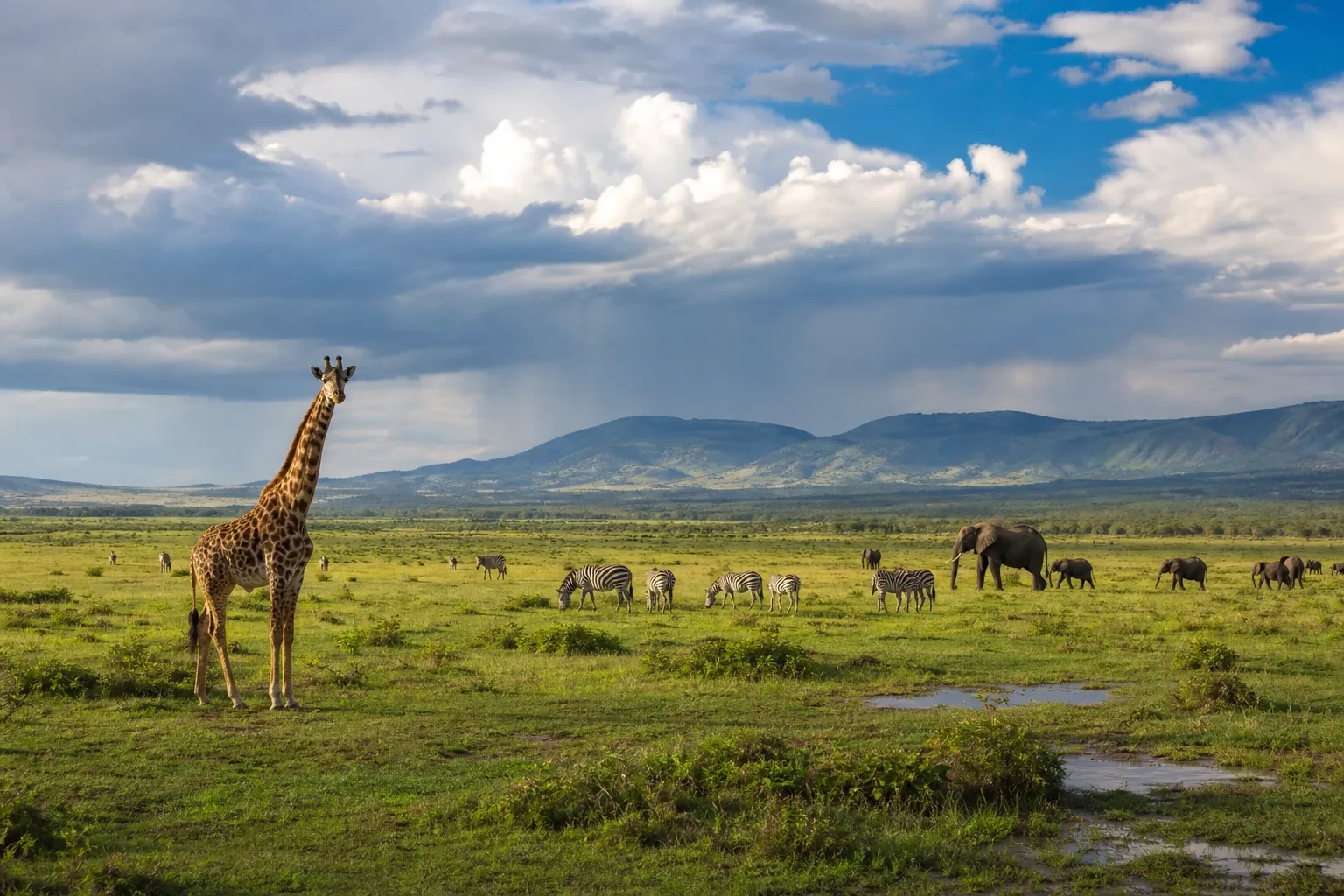
I state the core trade‑off plainly: dry months (May–September) deliver the most consistent Big Five viewing because vegetation thins and herds concentrate at waterholes. Green months (November–February) deliver calving, abundant migratory birds, storm light for photographers, and quieter lodges. I schedule green‑season photo trips for backdrops and neonates, and dry‑season game drives for predictable open‑plain sightings.
Eastern Cape (malaria‑free) versus Greater Kruger (Lowveld)
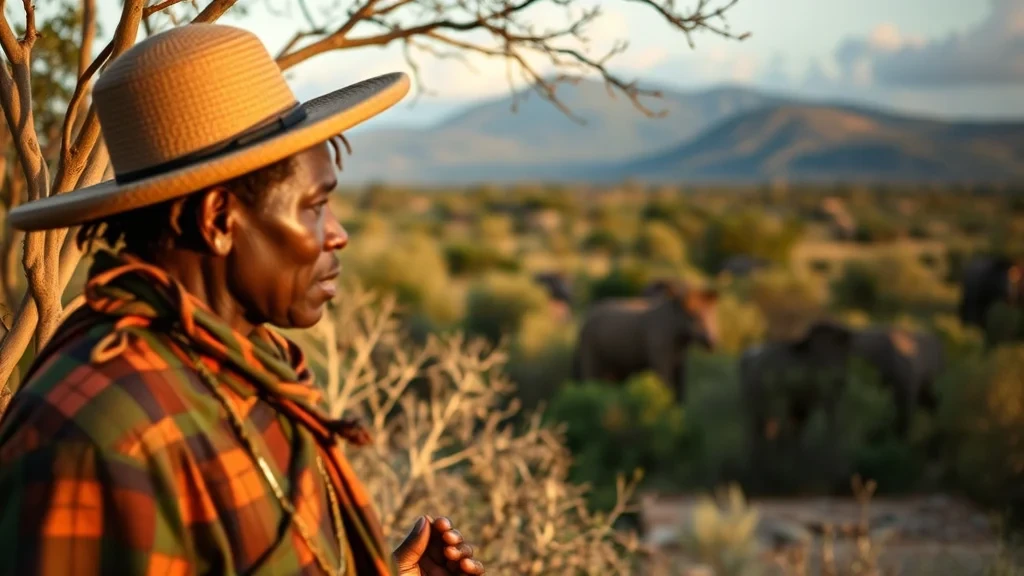
Seasonality and disease risk steer reserve matching.
Eastern Cape delivers malaria‑free Big Five viewing and high green‑season birding while Greater Kruger offers hotter days, heavier summer rains, and malaria risk.
I pick Eastern Cape private reserves and Addo for family groups who want no anti‑malarial medicine and short transfers from Gqeberha (Port Elizabeth). Addo contains one of Africa’s densest elephant populations and raises encounter probability for short stays (SANParks Addo). I route photography and open‑plain agendas to Kruger during the dry season when dusty light and herd concentrations produce reliable frames.
What you actually do in the bush: activity formats
Reserve choice drives activity options and encounter types.
Game drives, guided bush walks, birding, and photographic safaris produce complementary wildlife experiences.
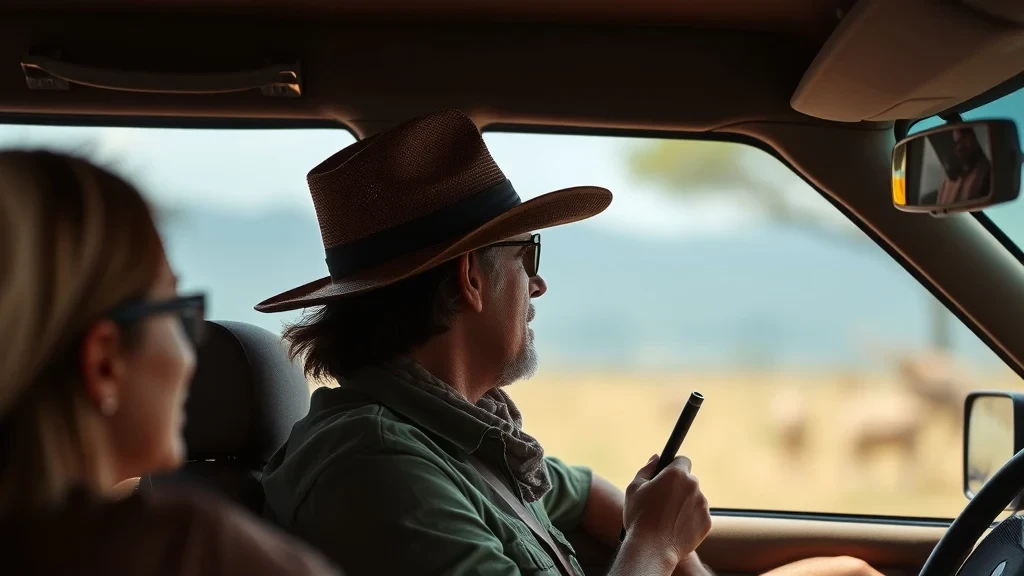
I run open 4×4 morning and evening drives with a guide and tracker who read spoor and locate predators and megafauna; two drives per day deliver the best sightings and photographic light. I lead guided bush walks with firearm‑equipped guides to illustrate tracks, dung, and bird calls at close range. I schedule green‑season birding for migrants and breeding behaviour and recommend photographic safaris when clients want storm light, newborns, and lush backdrops.
Booking, pricing and my proprietary data
Activity choice determines booking windows and price sensitivity.
Our booking logs (2019–2024) show 38% lower lodge occupancy and 21% lower average lodge rates in December–February versus July–September.
I use those proprietary metrics to time reservations for value‑minded travellers and to secure quieter lodges. Green‑season discounts commonly fall within 15–25% of peak tariffs; I negotiate refunds or flexible rates where possible. I also verify child policies, recent sighting reports, and lodge medical facilities before I confirm bookings. For seasonality planning I cross‑check Lonely Planet and SafariBookings guidance (Lonely Planet, SafariBookings).
Practical packing, transfers and on‑the‑ground tips
Booking and seasonality determine what to pack and how you travel.
Pack lightweight shirts, a warm mid‑layer for mornings, waterproof walking shoes, sun protection, and a windproof jacket.
I always book overnight flights, reserve refundable rates when feasible, and arrange short domestic transfers to minimise travel fatigue. I advise thermal nightwear for lodge verandas and waterproof layers for occasional green‑season storms. For family trips I select lodges with child‑friendly conservation programmes and family accommodation.
Comparative data table: UK winter versus Eastern Cape versus Lowveld
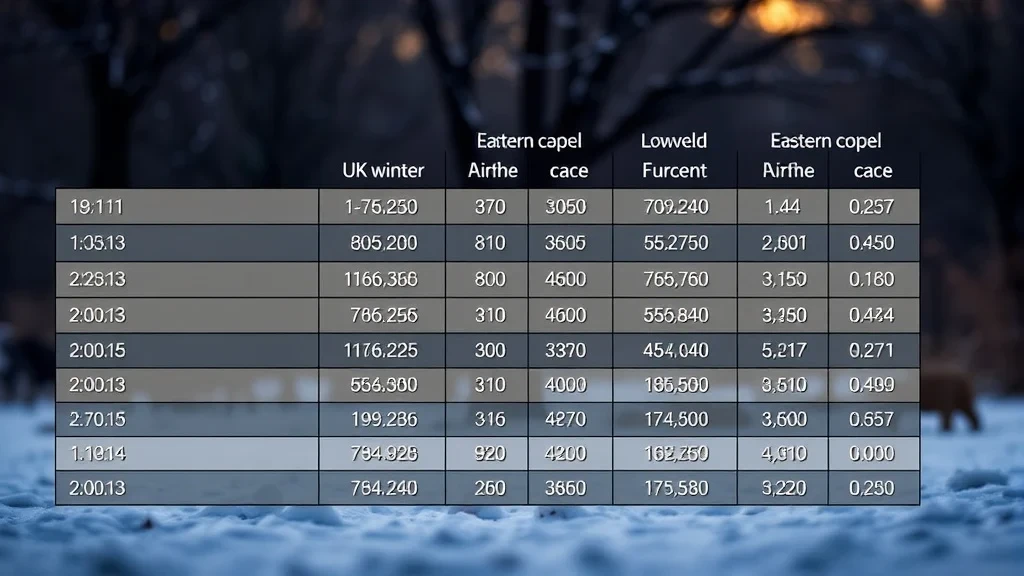
| Attribute | UK Winter (Dec–Feb) | Eastern Cape green‑season (Dec–Feb) | Lowveld dry‑season (May–Sep) |
|---|---|---|---|
| Average daytime temperature | ~7°C (London) | 20–26°C | 25–34°C |
| Night temperature | ~1°C | 13–18°C | Variable |
| Daylight hours | ~8 hours | ~11 hours | Longer daylight |
| Wildlife highlights | Hibernal, fewer newborns | Migratory birds, newborns | Concentrated big‑game |
| Game visibility | Lower in winter | Thicker vegetation reduces some visibility | Open plains improve sightings |
| Lodge occupancy | Holiday spikes | ~38% lower (our dataset) | Peak season |
| Lodge rate change | Peak winter pricing | ~21% lower average rates (our dataset) | Higher peak rates |
| Malaria risk | None | None (many reserves) | Present; take precautions |
I use this table in client briefings to map attributes to decisions.
Booking comparisons and indicative pricing
Price patterns drive client expectations and lead times.
Typical week‑long Eastern Cape green‑season packages range from £1,600–£3,200 per person; Lowveld dry‑season weeks range £1,850–£3,800.
I recommend booking 6–12 months ahead for December–February stays and 4–8 months ahead for May–September departures. I price‑check operators and confirm that green‑season rates often undercut peak dry‑season tariffs, which produces higher value for mid‑range budgets. I always confirm refund and transfer policies before final payment.
How the pieces fit together (operational map)
Booking comparisons and reserve profiles determine the final itinerary.
A clear seasonal decision drives reserve choice, flight routing, and health provisioning.
I map client priorities (dates, priority sightings, malaria tolerance) to reserves that produce the desired outcomes. For family groups avoiding prophylaxis I select Eastern Cape properties; for concentrated photographic game drives I route clients to Lowveld reserves in the dry season. I hand off transfer logistics and lodge confirmations to trusted operators to reduce client admin and ensure smooth arrivals.
Actionable checklist I follow before you book
Each booking stage defines the next logistic step.
Confirm reserve malaria status, compare direct flight durations, review recent sighting reports, verify child policies, and lock flexible rates.
I perform those five checks for every client. I also contact reserve managers directly because they update medical and wildlife status more reliably than third‑party pages. Use the checklist to reduce booking risk and to secure optimal lodge availability.
Evidence, weather drivers and regional context
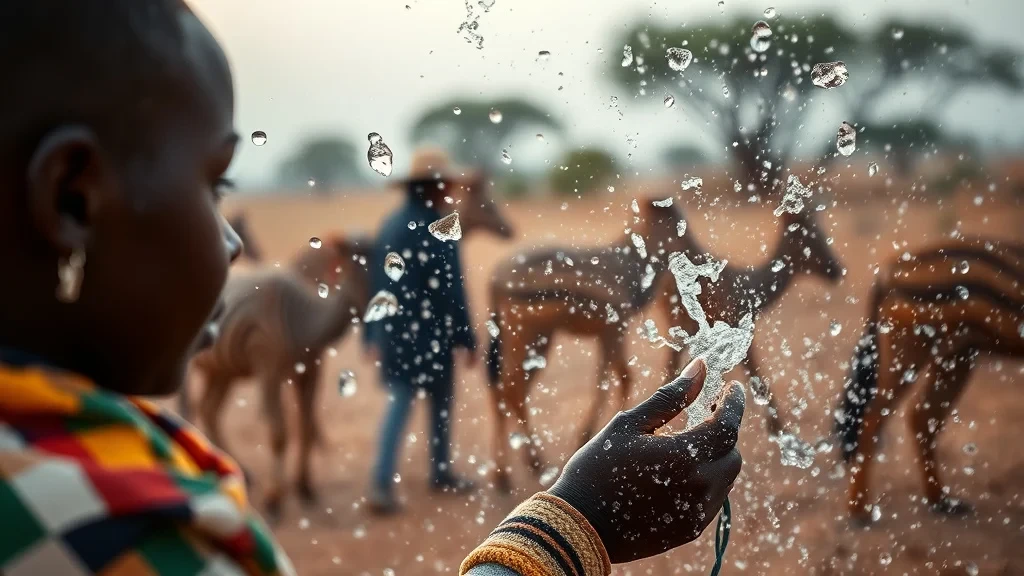
Seasonal contrasts and ocean currents shape destination choice.
Atmospheric blocking (heat domes) drove recent European heat extremes while Atlantic currents moderated North African Atlantic‑coast temperatures.
I explain this meteorological context to clients who ask why Europe can sometimes record higher temperatures than nearby North Africa. I consult regional reporting and attribution analyses when clients ask about extreme events and travel timing (regional climate report, WHO malaria programme). I then translate those climate drivers into practical booking choices.
Final invitation: how I help you escape the cold
The preceding sections map seasons, reserves, logistics, and pricing to an actionable plan.
I match your dates and priorities to a malaria‑profiled reserve, book flights and transfers, and confirm sightings expectations.
I ask for your travel dates and priorities and then produce tailored itineraries that balance warmth, wildlife, and family health needs. Enquire with your preferred dates so I can secure the best green‑season availability or dry‑season photographic windows.
Frequently Asked Questions
Do I need a visa to travel to South Africa from UK?
Yes; UK citizens receive visa‑free entry for up to 90 days for tourism. Check passport validity and entry requirements on the UK government’s travel advice pages before booking. I verify visa rules at reservation time because embassy policies and stay durations can change; the standard 90‑day allowance guides most short safari itineraries.
What travel insurance covers safari medical evacuation costs?
Buy travel insurance that includes medevac and helicopter evacuation with a minimum $50,000 medical‑transport limit. I recommend plans from specialist providers such as Global Rescue or insurers that explicitly list evacuation and repatriation; I check policy wording for exclusions and 24/7 medical assistance before I advise clients.
Can I charge camera batteries at remote bush lodges?
Most private lodges provide 220–240V outlets, USB ports, and communal charging stations; some reserve chalets include in‑room charging and inverter support. I confirm electrical provision with each lodge during booking and advise photographers to carry a multi‑plug adapter, spare batteries, and a power bank when I prepare packing lists.
Are mobile phone signals reliable on private reserves?
Mobile coverage varies widely; many private reserves have limited cell reception but offer Wi‑Fi in main lodges and camps. I confirm connectivity levels with lodge managers and recommend satellite or offline workflow plans for professional photographers who require guaranteed upload access during stays.
What tipping etiquette applies to South African safari staff?
Tipping commonly follows local operator guidance: guides typically receive ZAR100–200 per person per day, and lodge staff receive a pooled amount on departure. I brief clients on local currency handling and recommend leaving tips in cash at lodge departure; I also check operator‑specific recommendations during booking.