Morning vs Evening Game Drives: Which Safari Is Better?
If you can choose only one safari drive, book the morning outing when cooler air, longer usable light and an early start matter most. Choose the evening outing for sunset photography, a later wake-up and possible after-dark access. Wildlife remains unpredictable, and local park rules often decide the available window.
Is a Morning or Evening Game Drive Better?
A morning game drive is the stronger single choice for many first-time travellers because it starts in cooler conditions and leaves more daylight if a sighting develops. An evening drive can be the better fit for sunset light, relaxed scheduling and reserves that permit driving after dark.
Neither period guarantees more animals. Species, weather, habitat, guide decisions, road access and chance shape every outing. A useful comparison matches the drive window to a clear goal rather than treating dawn or dusk as a promise.
This article focuses on the daily timing decision. The overview of African safari game-drive formats explains morning, evening, full-day, night and photographic drives within the wider safari activity group.
What Changes Between Dawn and Dusk?
Dawn and dusk change temperature, light, visibility and access. These four attributes affect how animals move, how guides plan routes and how photographers set their cameras. The difference is real, but it varies by species and destination.
Temperature Changes Animal Movement
Many large mammals adjust their daily movement as heat rises or falls. African carnivores do not share one fixed clock: lions, leopards, cheetahs and wild dogs respond differently to light, temperature, prey and one another. Research based on GPS data found that hotter conditions altered activity timing across a large-carnivore guild.
“Activity of all species was shaped by a combination of light availability and temperature.”
This evidence supports a qualified rule: cooler periods often create more visible movement, yet no single clock time works for every animal. A cheetah may retain daytime activity while a lion rests; elephants may gather near water during heat that makes predators less mobile.
Light Changes the Photographic Task
Morning light rises from dim blue tones towards brighter, warmer colour. Evening light moves in the opposite direction and ends quickly. Both periods can produce side-light, backlight and long shadows, but the direction of travel matters. A morning sighting may become easier to photograph as light builds. An evening sighting may become harder as shutter speed falls.
Photographers should prepare before the vehicle moves. A higher ISO and wider aperture help at first light. Late in the evening, image stabilisation, a support bag and steady hand position become more useful. Flash use depends on reserve rules and guide instructions.
Gate Rules Set Hard Limits
Public national parks often tie self-drive access to opening and closing times. Guided activities may leave before public entry or return after public gates close when the park permits it. Private reserves and conservancies can use different roads, off-road policies and night-drive rules.
Kruger National Park illustrates the seasonal change. Its entrance gates open at 05:30 or 06:00, and closing times range from 17:30 to 18:30 across the year. Travellers can check the official Kruger National Park monthly gate times before planning a self-drive day.
Morning vs Evening Game Drives at a Glance
| Attribute | Morning drive | Evening drive |
|---|---|---|
| Typical start | Before or near sunrise | Mid to late afternoon |
| Temperature | Cool at departure, warmer on return | Warm at departure, cooler towards dusk |
| Light | Improves as the drive continues | Fades as the drive continues |
| Photography | Sunrise, mist, backlight and increasing shutter speed | Warm side-light, sunset colour and silhouettes |
| Animal movement | May catch nocturnal species returning and diurnal species starting | May catch daytime species moving and nocturnal species emerging |
| Comfort | Cold wind can affect open vehicles | Early heat may linger before sunset |
| Schedule | Requires an early wake-up | Leaves the morning free |
| Main risk | Fatigue, low dawn light and cold | Shorter usable light and a firm return time |
What Happens on a Morning Game Drive?
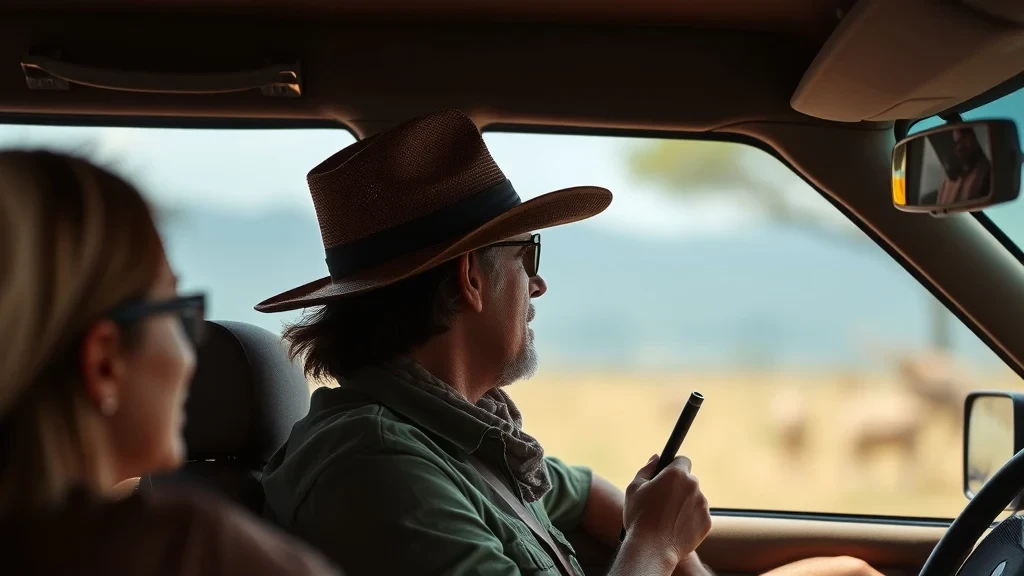
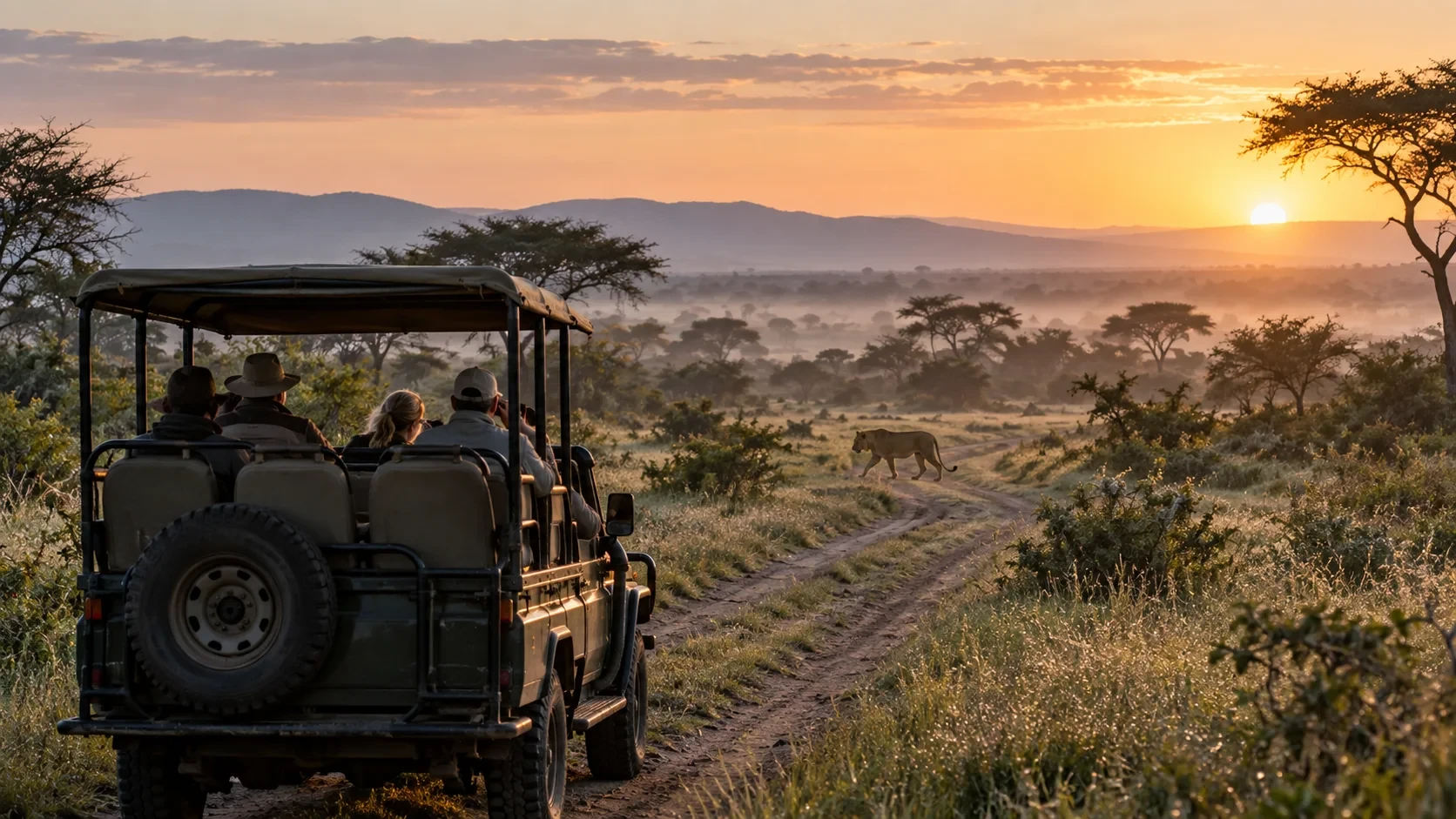
A morning game drive usually starts with a wake-up before sunrise, a hot drink and a short briefing. The guide uses fresh tracks, alarm calls, overnight reports and recent sightings to choose an initial route. The vehicle may pause often because low light makes movement easier to detect than colour.
Cool air can make an open vehicle feel much colder than the forecast suggests. Wind created by the moving vehicle adds to the chill. A light insulated layer, closed shoes and a hat help during the first hour, even when the day later becomes hot.
Morning Strengths
- Use increasing light: a sighting found before sunrise may remain photographable as brightness improves.
- Read fresh signs: guides can work with tracks and calls left during the night.
- Start in cooler air: passengers and many animals face less heat stress early in the day.
- Keep time in reserve: a morning drive can run longer when the itinerary and park rules allow it.
Morning Limits
An early alarm can reduce attention, especially after a long international journey. Dense mist, cloud or dust can lower visibility. The first part of the drive may demand high camera ISO values. Shared vehicles also leave on a fixed schedule, which means one late passenger can shorten the useful dawn period.
What Happens on an Evening Game Drive?
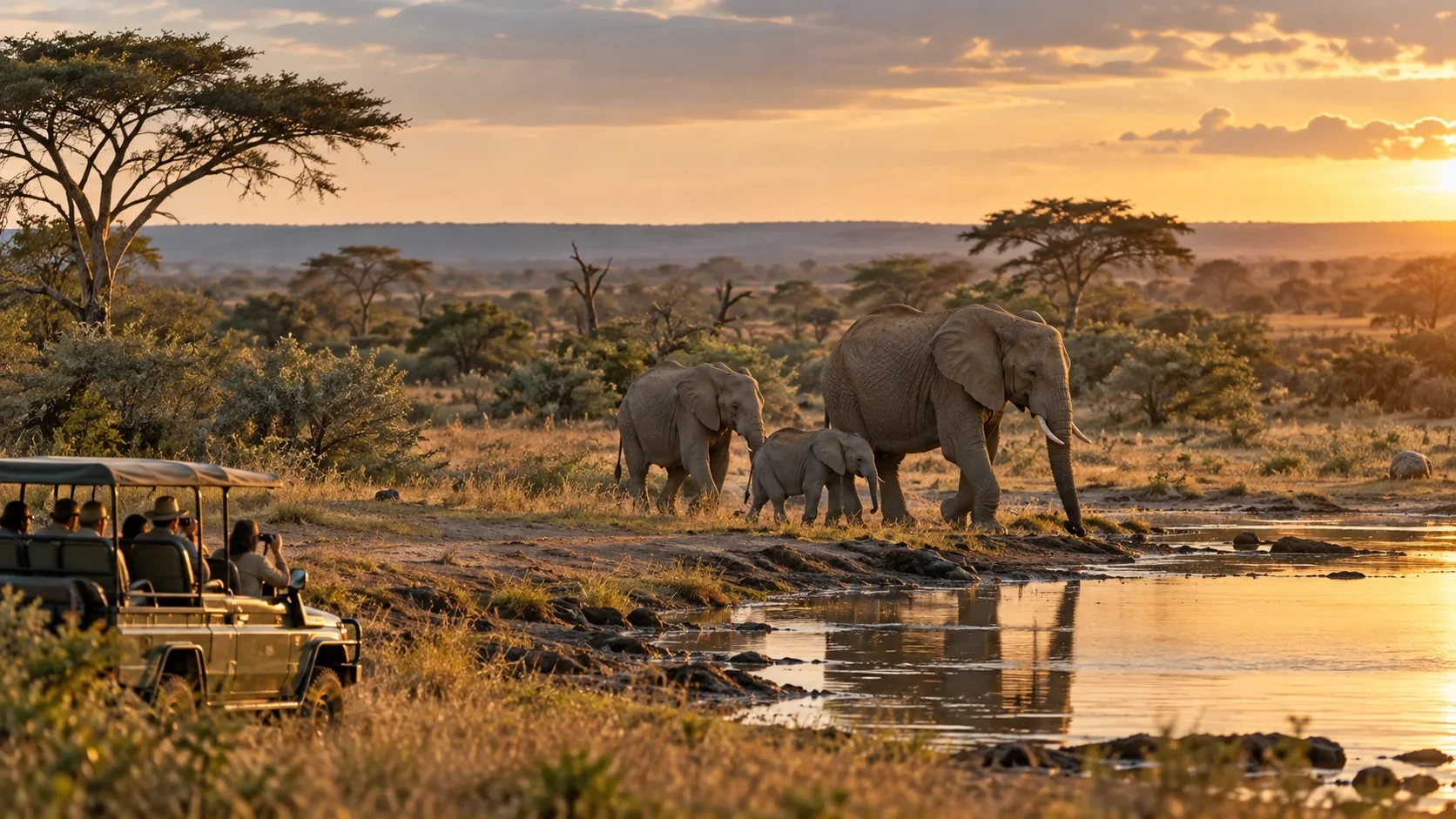
An evening game drive often starts after afternoon tea and runs towards sunset. Guides may begin near shade, water or open ground where animals gather as temperatures fall. The route then depends on local closing rules and whether the reserve permits spotlight use after dark.
Evening drives suit travellers who need a slower morning or arrive at camp around midday. The warm light can be rich, but it disappears quickly near the equator. A guide must balance a promising sighting against travel time back to the gate or lodge.
Evening Strengths
- Photograph warm light: low-angle sunlight can add colour and depth to fur, dust and vegetation.
- Watch a daily handover: some daytime animals remain active as nocturnal species begin to move.
- Protect the morning: travellers can rest, transfer between camps or take another activity before departure.
- Add night access: some private reserves extend the return journey after dark under controlled rules.
Evening Limits
Fading light reduces shutter speed and colour accuracy. Public-park gates can impose a strict turnaround time. A distant sighting found late may offer only a few minutes of viewing. Summer heat can also remain strong during the first part of the drive.
How Does the Safari Season Change the Choice?
Season changes sunrise, sunset, temperature, road conditions, vegetation and water distribution. The best drive period can shift with those attributes. The African safari seasons and timing guide explains dry and green periods in more detail.
Hot and Dry Conditions
Morning drives gain value during very hot periods because the coolest hours arrive before and just after sunrise. Sparse vegetation may improve sight lines, and water can influence route choice. Evening drives still benefit from falling heat, though the first hour may feel warm.
Cool or Wet Conditions
Cool days can spread animal movement across more daylight hours. Rain can change road access, create reflective light and alter where herbivores feed. Thick green vegetation may shorten sight lines, which makes guide skill and patient scanning more important than a fixed departure time.
Does the Destination Change the Answer?
Yes. Park regulations, latitude, habitat and land management can matter more than the morning-versus-evening label. Travellers should ask what the specific reserve permits rather than transfer one park’s rules to another.
Kruger National Park and Nearby Private Reserves
Kruger self-drivers must plan around public gate times. SANParks guided morning and sunset activities can operate under their own schedules. Private reserves beside the park may allow off-road viewing and a return after dark, subject to property rules. The booking description should state whether the drive is public-road, private-reserve, shared or private.
Masai Mara Reserve and Conservancies
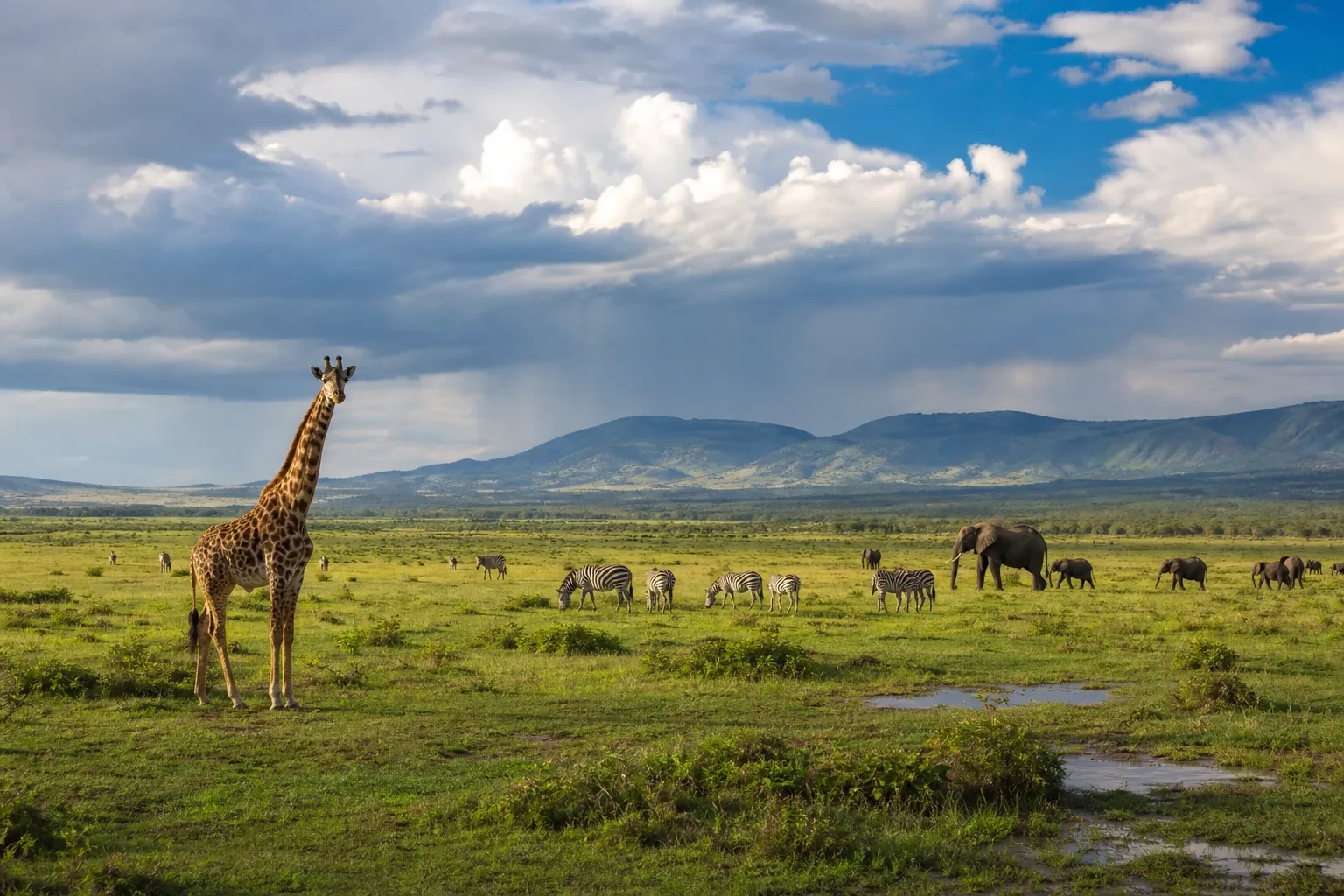
Open grassland can provide long sight lines, while reserve and conservancy rules affect night access and vehicle behaviour. Migration periods can also change traffic around prominent sightings. A private vehicle offers more control over departure, stops and photographic position than a shared departure.
Okavango Delta and Water-Based Areas
Water level, concession access and camp location shape the daily plan in the Okavango Delta. A vehicle drive may share the schedule with a boat or mokoro activity. In this setting, the better choice may be the period that fits the water activity rather than the period with the most appealing light.
Which Drive Is Better for Wildlife Photography?
Morning drives give photographers a growing light window; evening drives give them a shrinking one. That difference makes morning more forgiving when a subject stays in view. Evening can produce richer colour, but the photographer must change settings quickly as light falls.
Direction matters as much as time. A vehicle facing into sunrise creates backlight and rim light; the same road may place the setting sun behind the subject later. Tell the guide which light you want, but accept that animal welfare, road rules and other guests take priority. The safari photography equipment and technique guide covers lens range, distance and camera handling.
How Should Families Choose a Drive?
Families should match the drive to sleep, temperature tolerance and vehicle duration. A child who is exhausted before departure may gain little from a cool morning. An evening drive that extends after dark can also clash with dinner and bedtime.
Ask the lodge about minimum ages, child seats, private vehicles, toilet stops, blankets and drive length. Some properties restrict young children from shared drives or after-dark activities. A private vehicle can provide schedule flexibility, but it still follows reserve safety rules.
Is a Full-Day Drive Better Than Two Short Drives?
A full-day drive trades rest for continuity. It can suit a large reserve, a distant river area or a migration search where returning to camp would waste travel time. Two shorter drives suit hot conditions, families and travellers who value meals and a midday break.
Full-day driving does not mean constant animal movement. Midday can provide waterhole visits, birds, elephants and changing social behaviour, yet it may also contain long quiet periods. Ask whether the vehicle has shade, drinking water, food, charging and toilet access.
Which Drive Should You Book If You Only Have One?
Book morning for the broadest balance of cool air, fresh tracking signs and increasing light. Book evening when sunset photography, a later start or permitted night viewing ranks higher. If the lodge includes both, take both before judging the destination: repeated drives reveal different routes, weather and animal behaviour.
Before payment, confirm the exact departure time, expected duration, vehicle capacity, public or private land access, after-dark permission and cancellation terms. Those details define the experience more accurately than the words “morning safari” or “sunset drive”.
Frequently Asked Questions
What Time Do Morning Game Drives Start?
Morning game drives often start before or near sunrise, but the exact time follows season, park rules and lodge location. Public-park visitors may need to wait for an entrance gate, while an authorised guided activity may leave earlier. Ask for the meeting time and vehicle departure time separately because a pre-drive drink or briefing can add 15 to 30 minutes.
Are More Animals Seen in the Morning?
No drive period guarantees more animals. Cooler morning air can support movement by several species, and guides may find fresh tracks from the night. Evening conditions can also bring movement as heat falls. Habitat, weather, species, guide skill and chance affect each outing, which makes repeated drives more reliable than choosing one period from a general rule.
Is an Evening Game Drive a Night Drive?
Not always. An evening drive may finish at sunset or before a public gate closes. A night drive continues after dark and usually uses a trained guide and controlled spotlight. National parks, private reserves and conservancies set different rules. Read the activity description and ask whether after-dark driving forms part of the booked rate.
Which Game Drive Is Better for Children?
The better family drive matches the child’s sleep pattern and tolerance for cold, heat and sitting. Morning outings can be chilly and require a very early wake-up. Evening outings can run into dinner or bedtime. Ask about minimum ages, shared-vehicle rules, toilet access and private-vehicle options before selecting either departure.
Should Photographers Choose Morning or Evening?
Photographers benefit from both. Morning light becomes brighter, giving more time to adjust after a subject appears. Evening light can add warm colour and long shadows, but exposure changes quickly. Choose morning for a more forgiving light progression; choose evening for sunset colour. Vehicle position, cloud, dust and subject direction can outweigh the clock.