Kenya Safari: My Experience and Suggestions for Planning the Ultimate Trip
I know firsthand that planning a Kenya safari requires navigating complex park rules, timing the Great Migration, and choosing between national reserves and private conservancies. My experience proves that booking internal bush flights, prioritizing waterhole-facing luxury tents, and targeting the Maasai Mara between July and October guarantees the best wildlife viewing. You need actionable strategies, not guesswork.
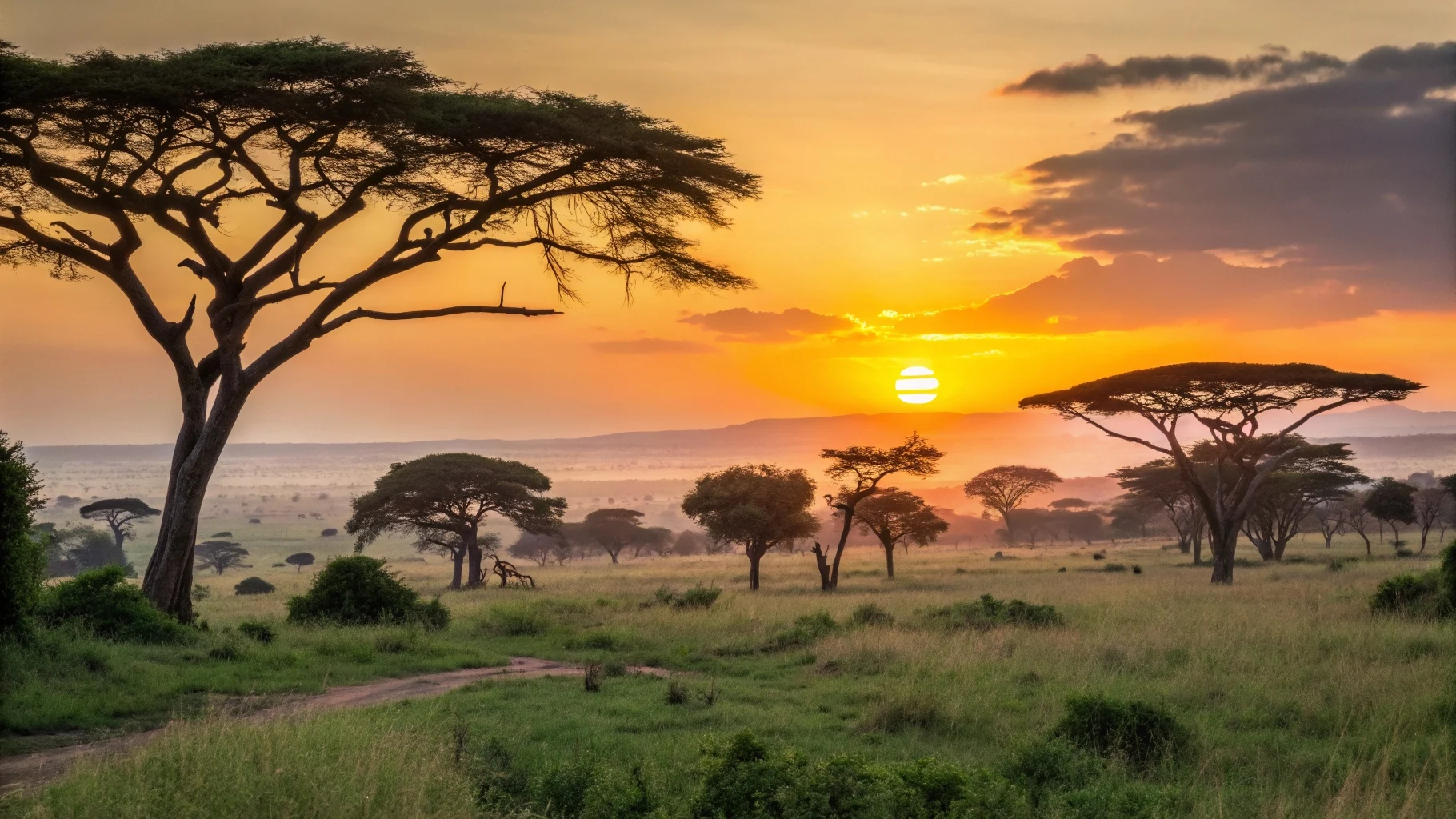
That sharp smell of crushed sage and red dust still hits my memory instantly. A lion roaring at 4 AM vibrates right through your canvas tent walls. The morning wind bites your face hard before the equatorial sun takes over.
What a Typical Day in the Bush Actually Looks Like
Daily safari routines revolve entirely around wildlife movement patterns and temperature shifts. The animals dictate the schedule completely, forcing humans to adapt to a rhythm that peaks at dawn and dusk. I can honestly say that adjusting to this cycle changes your entire perspective on sleep.
The 5:30 AM Wake-Up Call and Why You Will Not Mind It
Dawn provides the absolute best opportunities for spotting active predators. The cooler morning temperatures encourage lions and leopards to hunt before the midday heat forces them into hiding. You will jump out of bed eagerly when you hear the coffee arriving at your tent.
I always grab my binoculars immediately while drinking that first cup of strong Kenyan coffee. We usually board the customized 4×4 vehicles by 6:00 AM sharp. The guides track fresh footprints in the damp soil while the sun slowly illuminates the savanna.
Sundowners and Surviving the Bumpy Roads
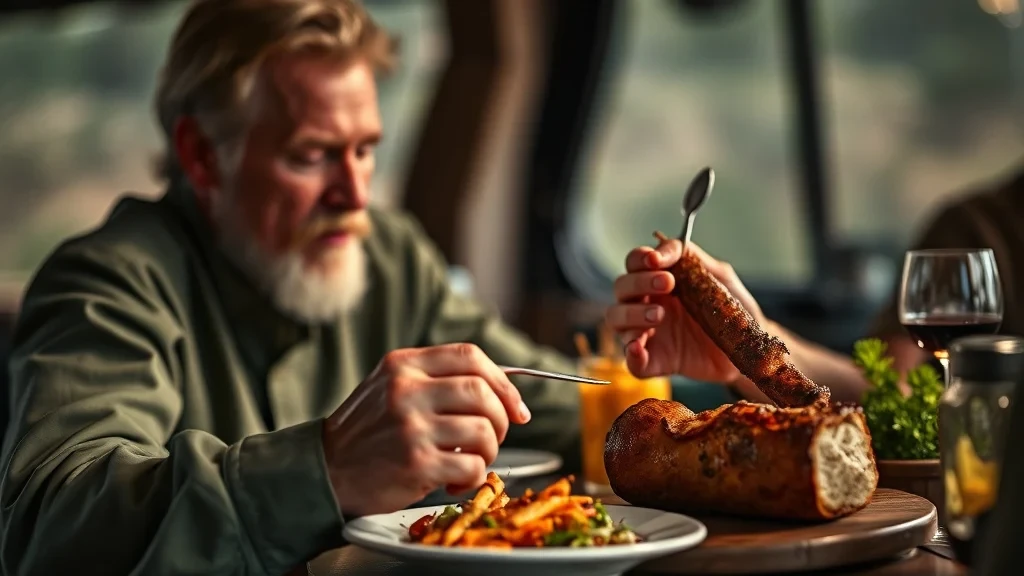
Evening game drives conclude with a traditional drink served directly in the wilderness. The guides park the vehicle facing the sunset while pouring gin and tonics on a makeshift table. This ritual perfectly caps off a long day of tracking elephants.
- Execute morning drives – Start tracking predators at dawn.
- Consume light refreshments – Drink coffee during the sunrise.
- Return to camp – Eat a large midday meal.
- Optimize afternoon tracking – Spot animals near the watering holes.
- Enjoy bush sundowners – Drink cocktails facing the sunset.
- Attend dinner service – Eat hot meals at the main lodge.
Navigating the terrain involves enduring what locals jokingly call the “African Massage.” The unpaved dirt tracks feature massive ruts and constant washboard bumps that shake every bone in your body. You should absolutely book a bush flight directly to the airstrip when staying at premium properties in the Maasai Mara region [1].
Is There Really a Poor Time to Book a Kenyan Safari?
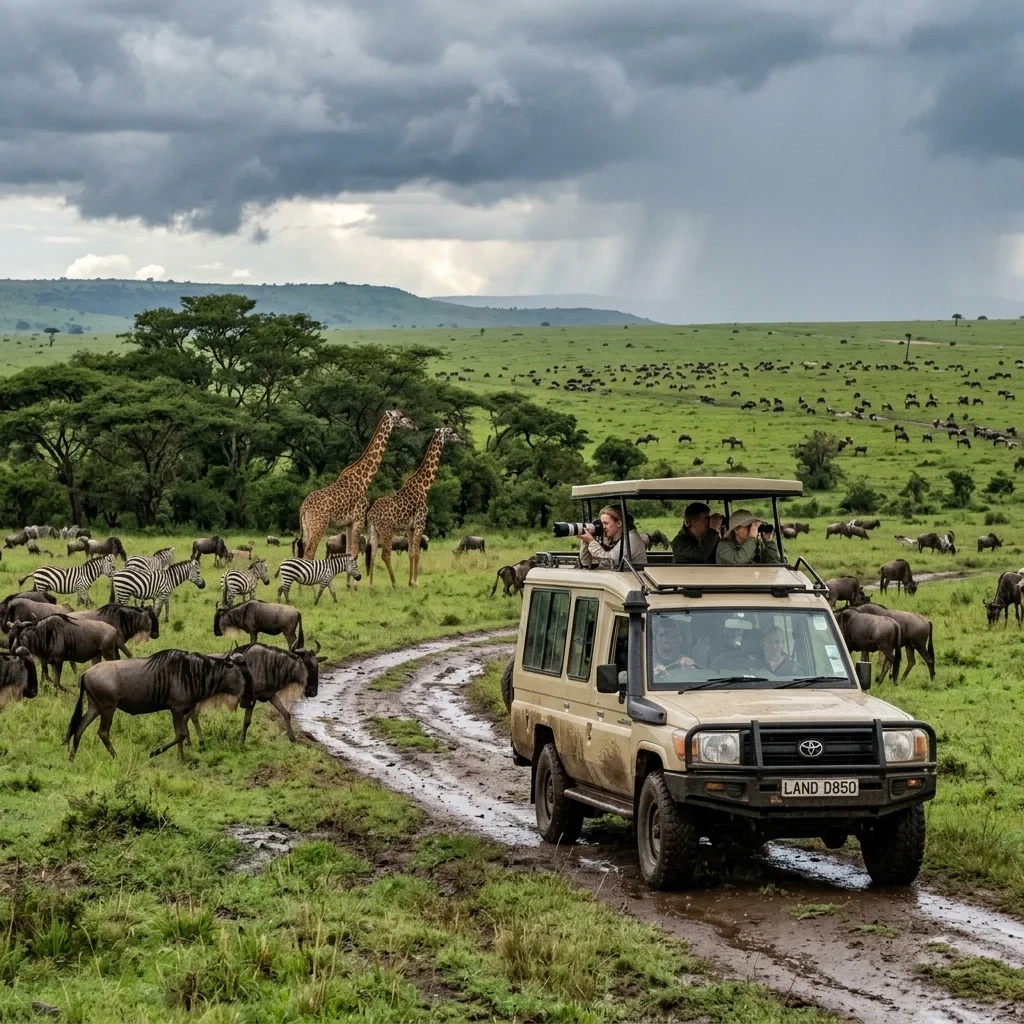
Seasonal weather variations dictate wildlife concentrations and overall trip quality. The rains determine grass height, water availability, and the exact positioning of the migratory herds. I have personally visited during multiple seasons and noticed distinct advantages for each.
Chasing the Great Migration Versus Enjoying the Quiet Seasons
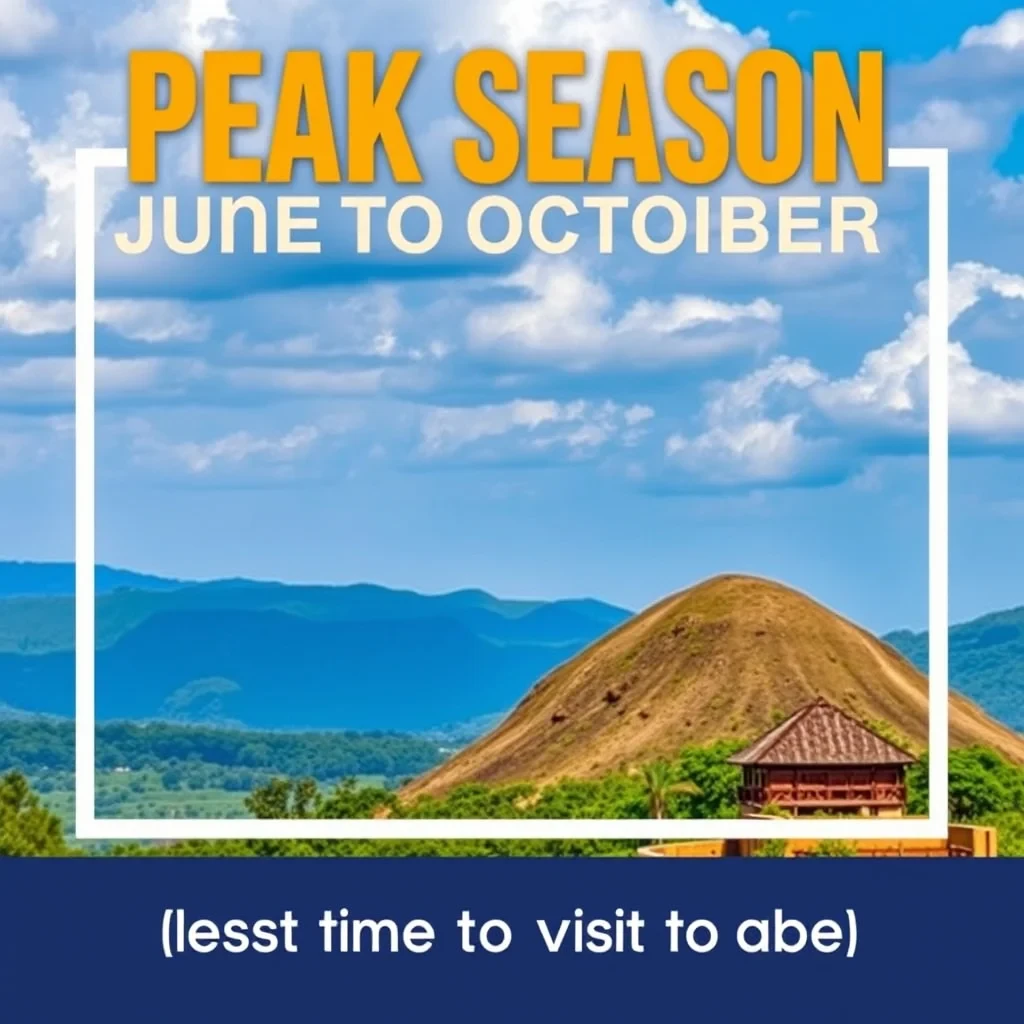
August delivers the highest probability for witnessing dramatic river crossings in the Maasai Mara. Millions of wildebeests navigate the crocodile-infested waters during this specific window. The sheer volume of animals crossing the plains creates a dust cloud you can see miles away.
You must book your accommodations at least a year in advance if you want to travel during this peak season. The crowds definitely swell around the main crossing points, causing minor traffic jams among the safari vehicles. I find the quiet season between March and May equally beautiful because the rains transform the dry landscape into a lush green paradise.
| Month | Animal Sightings Volume | Crowd Density | Road Conditions |
|---|---|---|---|
| January | High (Calving Season) | Moderate | Excellent |
| April | Moderate (Lush Greenery) | Low | Muddy/Challenging |
| August | Extremely High (Migration) | High | Dry/Dusty |
| November | High (Short Rains) | Moderate | Variable |
I chose August for my primary trip because I desperately wanted to photograph the river crossings. We experienced heavy crowds at the Mara River, but the sheer spectacle made the congestion entirely acceptable. You will want to research the timing carefully to find the ideal month for your specific Great Migration safari [2].
Maasai Mara, Amboseli, or Both: How We Planned Our Route
Selecting the right geographic locations determines the exact species you will encounter. We strategically combined different ecosystems to maximize our exposure to diverse animal populations. I highly recommend pairing a savanna environment with a forested or mountainous region.
Why We Chose Amboseli Over Other Parks
Amboseli National Park provides the absolute best foreground for photographing massive elephant herds against the backdrop of Mount Kilimanjaro. The flat, dusty lakebed creates a unique environment where the animals stand out sharply against the horizon. We prioritized this region specifically for the legendary big-tusked elephants.
“Amboseli is experiencing an exceptional elephant baby boom right now, recently welcoming an astonishing 140 newborn calves, which marks the largest wave of births ever recorded in the region’s history.”
The visual contrast between the red dust and the green swamps creates unbelievable photography opportunities. I spent hours just watching the matriarchs guide their tiny calves through the deep mud. You will find excellent traditional hotel options when looking for reliable places to stay in Amboseli [3].
National Parks Versus Private Conservancies: A Major Difference
Private conservancies restrict vehicle numbers and permit off-road driving for closer wildlife encounters. Ol Pejeta Conservancy operates under strict protection protocols that create a completely different atmosphere than the public reserves. We accessed areas that the general public simply cannot reach.
Night drives and walking safaris happen exclusively within these privately managed borders. The ability to track a leopard after dark using red spotlights completely changes your understanding of predator behavior. We chose to stay at an incredible tented property which offered direct access to the Ol Pejeta Bush Camp [4].
I was blown away by the conservation efforts happening right outside our canvas door. The security teams work around the clock to protect the critically endangered species living on the property. In fact, conservation groups highlight that Ol Pejeta successfully manages over one hundred and sixty eastern black rhinos [5], making it a true stronghold for the species.
Financial Breakdown: How We Managed Our Safari Budget
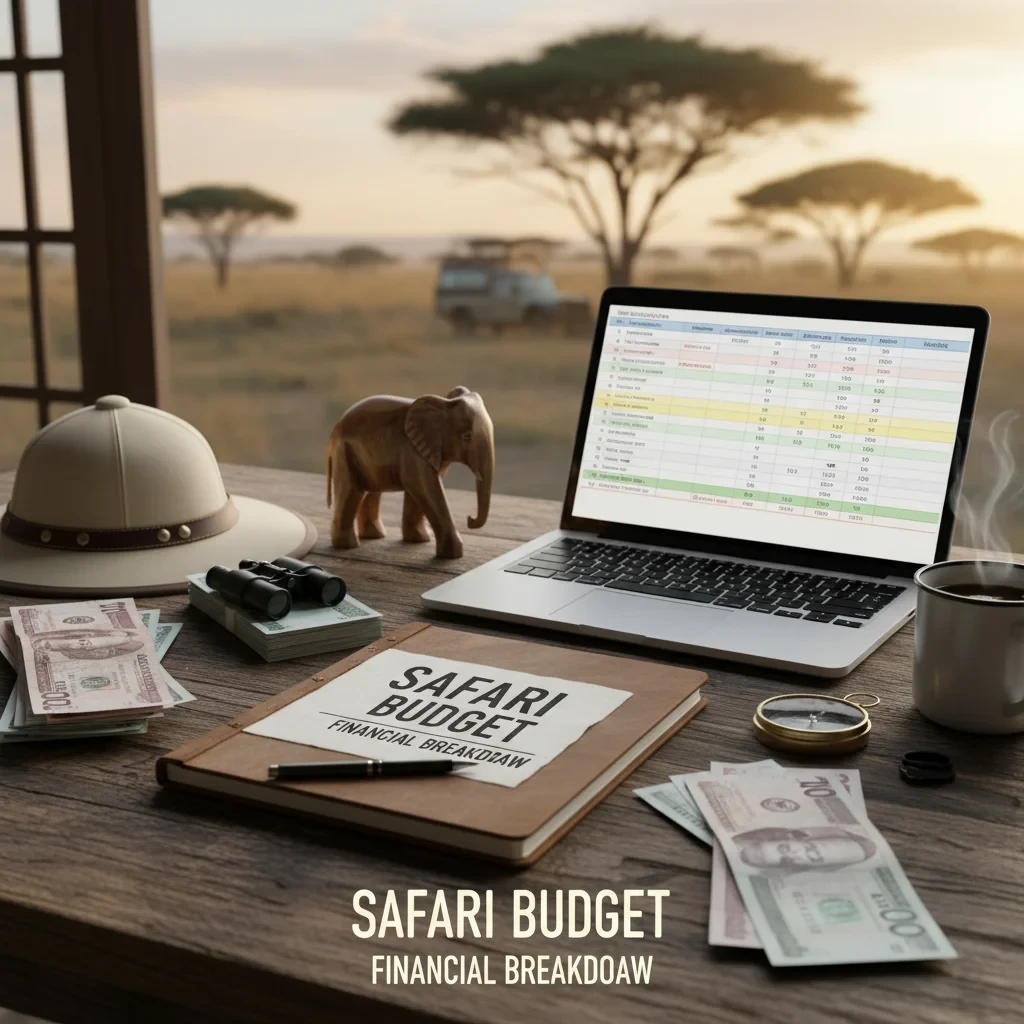
Safari expenses accumulate quickly through park fees, internal flights, and specialized guide services. I kept a detailed ledger of every single expense to understand exactly where our money went. You need to prepare your bank account for the reality of these conservation-based travel costs.
The Breakdown: Flights, Camps, and Conservation Fees
Internal bush flights consume a surprisingly large portion of the transportation budget. The small Cessna aircraft charge a premium for the convenience of bypassing the terrible road conditions. I gladly paid the premium after experiencing just one long overland transfer.
Conservation fees represent a mandatory daily tax that directly funds anti-poaching units and community projects. Every single day you spend inside the park boundaries triggers another charge per person. The luxury camps bundle these fees into their nightly rates, making the initial sticker shock quite intense.
You can save money by choosing shoulder-season dates if you avoid the peak migration months. A mid-range tented camp provides excellent comfort without the massive premium attached to high-end luxury lodges. I suggest looking into various trusted conservation funding initiatives led by Save the Rhino [6] to understand how these fees protect the wildlife.
Tipping Your Maasai Guides the Right Way
Gratuities form a massive part of a guide’s annual income. The industry operates on unspoken expectations regarding daily tips for drivers, spotters, and camp staff. I always carry a thick stack of small USD or Kenyan Shilling denominations for this exact purpose.
You should hand the tip directly to your primary guide at the very end of your stay. The general camp staff usually share a communal tip box located in the main dining area. I tend to tip aggressively because these locals work incredibly hard to keep us safe from apex predators.
What Was in My Duffel Bag and What I Wish I Had Left at Home
Packing requires strict adherence to weight limits enforced by the bush flight operators. The tiny airplanes simply cannot accommodate massive hard-shell suitcases or excessive gear. I learned this lesson the hard way while repacking my belongings on the tarmac.
The Soft-Sided Bag Rule You Cannot Ignore
Airlines mandate soft-sided duffel bags because the pilots must physically squish the luggage into small cargo pods. Rigid frames or hard plastic shells will literally prevent your bag from fitting on the plane. You will have to leave your rigid suitcase behind at the main airport if you ignore this policy.
I bought a heavy-duty canvas duffel specifically for this trip. The lack of wheels annoyed me in the main airport, but it functioned perfectly once we reached the bush airstrips. The baggage handlers appreciate bags that they can easily toss into the back of a Land Cruiser.
Layering Up: Freezing and Sweating in the Same Day
Morning game drives feature freezing winds that cut right through light clothing. The open-sided vehicles offer zero protection from the chill as you speed across the plains before sunrise. I practically lived in my fleece jacket and windbreaker during those early hours.
By midday, the equatorial sun turns the savanna into a massive oven. You will shed those heavy layers rapidly as the temperature climbs toward its daily peak.
- Pack neutral colors – Choose tan or olive fabrics.
- Avoid bright whites – Prevent startling the sensitive animals.
- Skip dark blues – Stop attracting painful tsetse flies.
- Bring good binoculars – Enhance your distant viewing range.
- Carry dust protection – Shield your face using scarves.
Looking Back: 3 Things I Will Do Differently on My Next African Safari
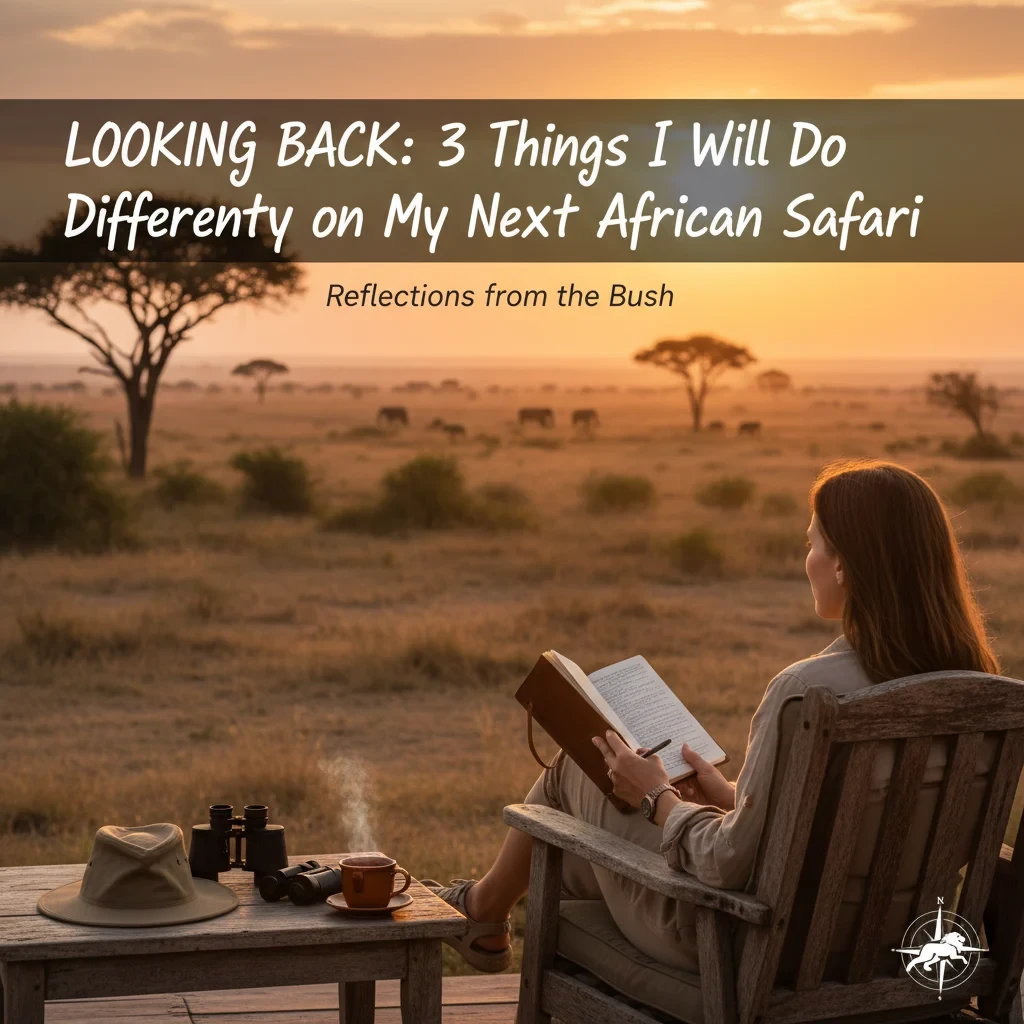
Hindsight reveals the minor planning errors that I will definitely fix for my return trip. I obsessed too much over seeing the “Big Five” instead of just enjoying the broader ecosystem. The pressure to check boxes off a list detracts from the magic of the moment.
Next time, I will rent a massive 400mm camera lens instead of relying on my standard equipment. The animals often sit further away than you expect, making a standard zoom lens completely inadequate. I also plan to spend more time sitting quietly at the camp waterhole instead of rushing out on every single game drive.
My Answers to your Questions
Is it safe to drink the water?
You must exclusively consume the bottled or filtered water provided by your specific lodge. The local tap water contains bacteria that will definitely ruin your stomach. I used bottled water even when brushing my teeth just to be absolutely certain.
Do I need malaria medication?
You should definitely consult a travel doctor regarding malaria prophylaxis before departure. The majority of the primary game reserves sit squarely within active malaria zones. I took my pills every morning at breakfast without experiencing any terrible side effects.
Planning a trip to Kenya definitely overwhelms most people at first. The logistics of bush flights, park fees, and seasonal weather patterns create a massive puzzle. What specific part of the safari planning process is stressing you out the most right now? Drop a comment below and let me help you sort it out!