Safari Packing for Kids: The Complete Family Packing List for Children
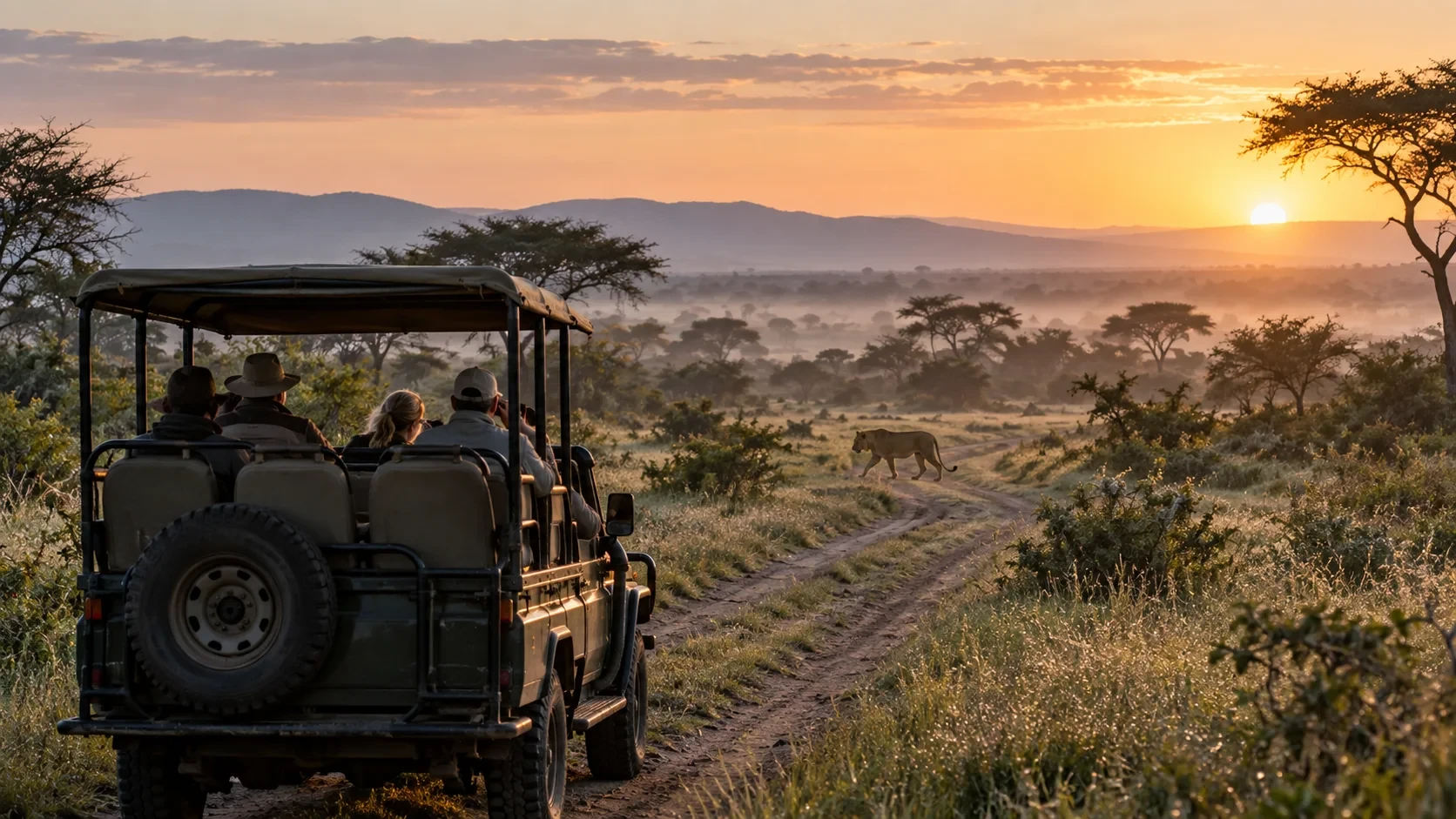
Packing for a safari with kids means more than grabbing extra snacks — children require specific gear, medical supplies, and entertainment tools that adult packing lists completely skip. A kids’ safari packing list must cover layered clothing for 40°F mornings and 95°F afternoons, pediatric malaria prophylaxis, DEET-safe repellents, soft-sided luggage under 15kg, and engagement tools that hold a child’s attention across a four-hour game drive.
What Are the Absolute Clothing Essentials for a Kids’ Safari Packing List?
Kids’ safari clothing must follow a three-layer system — base, mid, and outer — because bush temperatures swing from near-freezing at 5 AM to scorching by noon. I’ve watched parents arrive at a Kenyan game drive in flip-flops and thin cotton tees, deeply regretting every choice by 6:30 AM. Getting this right is non-negotiable.
The layering system works like this: a moisture-wicking base layer pulls sweat away from the skin, a fleece mid-layer retains body heat during cold morning drives, and a lightweight waterproof shell handles unexpected rain on open vehicles.
Fascinating fact: Temperatures in the Maasai Mara can drop to 46°F (8°C) before sunrise but climb past 90°F (32°C) by midday — a swing of over 40 degrees within a single game drive. Children regulate body heat less efficiently than adults, making layering a genuine safety concern, not just a comfort preference.
Kids’ Safari Clothing Checklist by Time of Day
| Time of Day | Temperature Range | Required Clothing Items |
|---|---|---|
| Pre-dawn departure (5–7 AM) | 40–50°F (5–10°C) | Fleece jacket, thermal base layer, beanie hat, gloves |
| Morning game drive (7–11 AM) | 55–75°F (13–24°C) | Moisture-wicking long-sleeve shirt, zip-off trousers |
| Midday rest (11 AM–3 PM) | 80–95°F (27–35°C) | Lightweight t-shirt, shorts, wide-brim sun hat |
| Afternoon game drive (3–6 PM) | 70–85°F (21–29°C) | Long-sleeve shirt, light layer, closed-toe shoes |
| Evening (6 PM onward) | 55–65°F (13–18°C) | Fleece or light puffer jacket, long trousers |
Core clothing items every child needs:
- Fleece jacket (at least one, ideally two for cold-weather reserves)
- Moisture-wicking long-sleeve shirts (3–4 in neutral tones)
- Zip-off convertible trousers (doubles as long pants and shorts)
- Closed-toe walking shoes or lightweight hiking boots
- Wide-brim sun hat with chin strap (wind matters on open vehicles)
- Lightweight buff/neck gaiter (doubles as dust mask and face warmer)
- Swimsuit (most lodges have pools; downtime matters as much as drives)
In our experience from multiple bush trips, zip-off trousers are genuinely the single most useful item for kids. They handle the morning cold and the afternoon heat without needing a bag swap.
Why Are Neutral Colors Non-Negotiable for Safari Clothes?
Neutral-colored safari clothes protect children from both wildlife disturbance and biting insects. This isn’t just aesthetic — it’s rooted in animal behavior and real entomological risk. The africa with kids safari packing guide for children and families confirms that clothing choices directly affect the safari experience and child safety in the bush.
Color rules for kids’ safari clothing:
- ✅ Wear: Khaki, tan, olive green, beige, sand, grey, brown
- ❌ Avoid: Bright white (reflects red dust, high visibility)
- ❌ Avoid: Dark blue and black — these colors attract tsetse flies, which deliver a painful bite and carry sleeping sickness in certain regions
- ❌ Avoid: Bright red, orange, or yellow — alarming to wildlife and highly visible
Why dark colors attract tsetse flies: The Glossina genus (tsetse fly) navigates toward large dark moving shapes, which mimic the silhouettes of their natural hosts — buffalo and other dark-coated megafauna. Research published by the Liverpool School of Tropical Medicine confirms that dark navy and black clothing increases tsetse fly landing rates by a measurable margin.
Why bright colors disturb wildlife: Many African species detect high-contrast, out-of-place colors as a threat signal. Elephants, for instance, have dichromatic color vision but are highly sensitive to contrast. A child in a bright red jacket registers as an anomaly that triggers avoidance or agitation.
How to Pack a Pediatric Safari Medical and First-Aid Kit
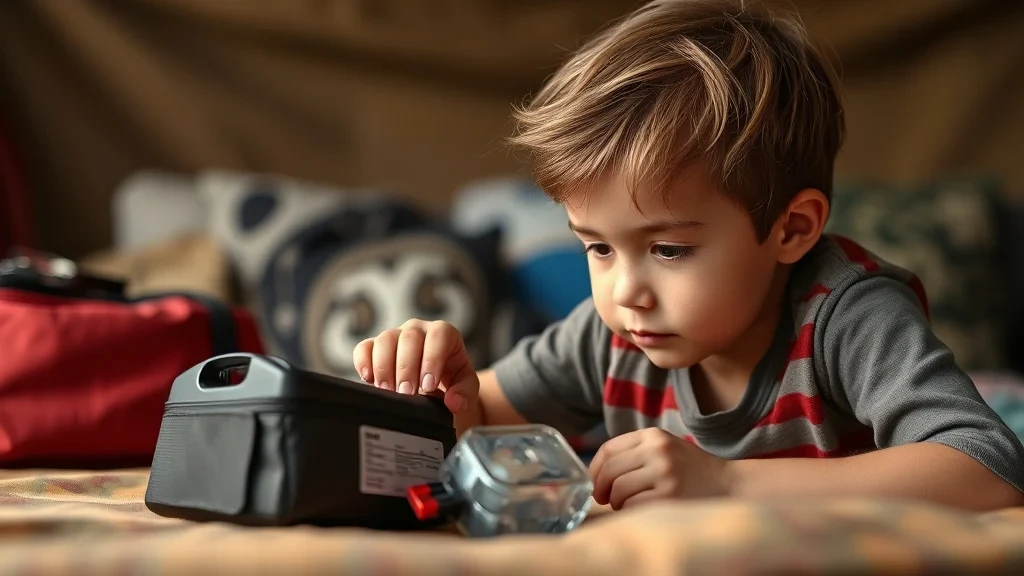
A pediatric safari medical kit must include malaria prophylaxis, insect repellent, oral rehydration salts, and motion sickness medication — all in children’s dosages. I never leave without a dedicated medical pouch sorted by condition, not by product type.
Medical Disclaimer: Always consult a qualified travel medicine pediatrician or your child’s GP before travel. Malaria prophylaxis, insect repellent concentration, and medication dosages are age- and weight-dependent. No article replaces professional medical advice.
Malaria Prophylaxis for Children
Malarone pediatric tablets (atovaquone/proguanil) are the most commonly prescribed anti-malarial for children traveling to high-risk sub-Saharan African destinations. Pediatric Malarone tablets are dosed by body weight, making them suitable for children weighing as little as 11kg (24lbs). Doxycycline is contraindicated for children under 8 years old.
| Medication | Suitable Age/Weight | Dosing Schedule | Notes |
|---|---|---|---|
| Malarone Pediatric | ≥11kg body weight | Daily (1–2 days before, during, 7 days after) | Most common for family safaris |
| Chloroquine | Varies by region | Weekly | Limited due to widespread resistance |
| Doxycycline | 8+ years only | Daily | Not for younger children |
| Mefloquine (Lariam) | ≥5kg | Weekly | Longer pre-travel lead time needed |
Insect Repellent — Safe Concentrations for Kids
- Picaridin 20% — the safest first-line repellent for children; effective against mosquitoes and tsetse flies without the skin-irritation profile of DEET
- DEET 30% maximum for children over 2 years old; the CDC confirms 30% DEET provides protection lasting 5–6 hours
- DEET-free alternatives (IR3535, lemon eucalyptus oil) — appropriate for low-to-moderate risk areas; less effective in high-transmission zones
- DEET is contraindicated for children under 2 months; use permethrin-treated clothing instead
Full Pediatric Medical Kit Checklist
- Malarone pediatric tablets (prescribed, weight-appropriate)
- Picaridin 20% or DEET ≤30% insect repellent
- Children’s paracetamol and ibuprofen (liquid and tablet forms)
- Antihistamine (cetirizine liquid for allergic reactions and bites)
- Oral rehydration salts (ORS) — children dehydrate quickly in African heat and dust; ORS replaces lost electrolytes faster than plain water
- Motion sickness bands (acupressure wristbands) — 4×4 game drives on rutted dirt tracks trigger nausea in children prone to car sickness; Sea-Bands are a drug-free option
- Travel-size antiseptic (chlorhexidine wipes)
- Assorted plasters and sterile gauze
- Bite and sting relief cream (hydrocortisone 1%)
- Digital thermometer
- Tweezers (for thorns and splinters)
- Prescribed EpiPen if child has known severe allergies
How Bush Flight Weight Limits Shape Kids’ Luggage Strategy
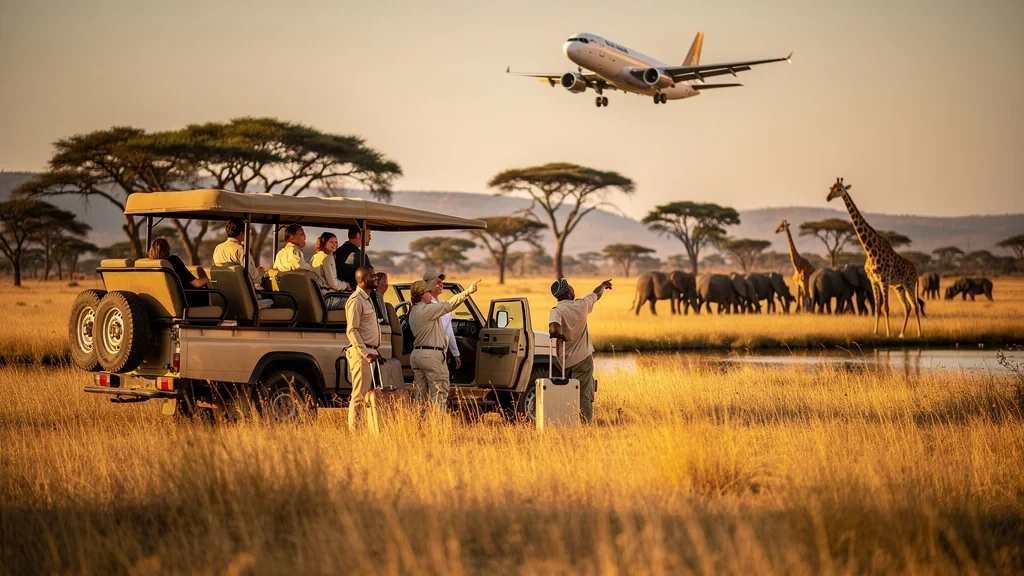
Light aircraft bush flights enforce a strict 15kg (33lb) total luggage limit per person, including carry-on bags, and require soft-sided luggage with no rigid frames or wheels. This applies to every passenger — including toddlers and infants.
I’ve spoken with parents who showed up at a bush airstrip in the Okavango Delta with wheeled hard-shell cases and were turned away at the aircraft door. The Cessna 208 Caravan and similar charter aircraft used throughout Botswana, Tanzania, and Kenya have cargo pods with fixed dimensions — rigid luggage physically doesn’t fit.
Unique data point: Cessna Grand Caravan aircraft — the most common bush charter plane across East and Southern Africa — has a maximum payload of approximately 2,200 lbs (998kg) distributed across all passengers and luggage. At full capacity (9 passengers), each person’s allowance including body weight must stay within this total. Weight is individually enforced.
How to Condense a Child’s Gear Using Compression Packing Cubes
- Select a soft duffel bag (not a rucksack with an internal frame) rated for 30–40L capacity
- Sort clothes by day, not by item type — one cube per day reduces repacking time and works within the bag’s shape flexibility
- Apply the “compression cube” method — roll moisture-wicking clothes tightly before placing in compression cubes; this reduces clothing volume by 30–40%
- Consolidate medical kit into one flat pouch that slides along the duffel’s inner wall — no rigid cases
- Weigh the packed bag before departure using a handheld luggage scale; adjust by removing duplicate items (two fleeces rarely necessary)
- Pack children’s entertainment and carry-on items separately in a personal day bag (lap bag) the child carries onto the aircraft — this doesn’t usually count toward the main 15kg allowance but confirm with your specific operator
Luggage checklist for bush flights:
- Soft-sided duffel bag, 30–40L
- No rigid frames, hard shells, or wheeled cases
- Total weight (bag + contents): under 15kg (33lb) per person
- Personal lap bag: binoculars, snacks, sunscreen, repellent, camera
What Entertainment Gear Keeps Kids Engaged on Long Game Drives?
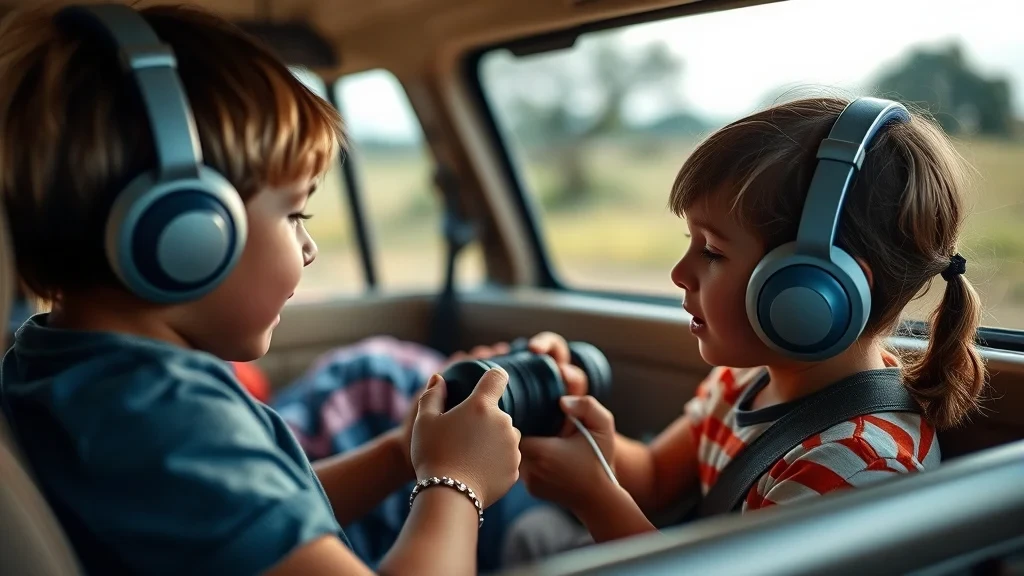
Children disengage from distant wildlife within 15–20 minutes without structured engagement tools — binoculars, printed field guides, and offline audio content convert passive passengers into active participants. This is the single most underestimated category on a family safari packing list, and I’ve seen it make or break a child’s entire experience.
A game drive lasts 3–4 hours each session. Without props, even the most excited 7-year-old starts asking for a screen by hour two. With the right kit, the same child is tracking pangolin footprints and identifying bird calls.
Engagement Tools by Child Age Group
| Child Age | Recommended Tool | Function |
|---|---|---|
| 4–6 years | Junior ranger activity books | Stamp-and-color wildlife checklists |
| 6–10 years | 8×21 kid-spec binoculars | Brings distant animals into clear view |
| 8–12 years | Wildlife field guide (region-specific) | Turns sightings into identification games |
| All ages | Offline audiobook / wildlife podcast | Fills non-sighting gaps without screens |
| 10+ years | Nature journal + colored pencils | Sketching animals builds observation skills |
Core entertainment kit for game drives:
- Kid-specific binoculars — 8×21 magnification, rubberized grip, under 300g; children lack the neck strength to hold adult binoculars steady for extended periods
- Printed wildlife checklist booklet — region-specific (e.g., Sasol Birds of Southern Africa or a Big Five checklist) turns animal sightings into a points-based game
- Offline-loaded tablet or phone — downloaded audiobooks, nature documentaries (BBC’s Africa series), and identification apps like Merlin Bird ID
- Small nature journal with pencils — sketching builds quiet focus and produces a genuinely memorable keepsake
- Snack bag with contents they control — child autonomy over snacks reduces behavioral frustration on long drives; pack trail mix, dried mango, and individually wrapped nut bars
Frequently Asked Questions
What should I pack on safari for kids going to Africa?
A kids’ Africa safari packing list must include neutral-colored layered clothing, a pediatric medical kit, soft-sided luggage under 15kg, insect repellent (Picaridin 20% or DEET ≤30%), and game drive entertainment tools. Malaria prophylaxis — typically Malarone pediatric tablets dosed by body weight — is required for most sub-Saharan destinations. Wide-brim hats, closed-toe shoes, and zip-off trousers cover the temperature swings of 40+ degrees between dawn and midday. The Africa With Kids safari packing guide confirms these categories based on direct family field experience across multiple African destinations.
What do you take on a game drive with kids?
A game drive bag for kids must carry snacks, water, insect repellent, sunscreen, binoculars, and an engagement tool like a wildlife checklist or nature journal. Game drives run 3–4 hours per session; children dehydrate quickly on open vehicles exposed to sun and dust. Oral rehydration salts and a water bottle are non-negotiable. Kid-sized binoculars at 8×21 magnification bring distant animals into visible range without the neck strain of adult-sized optics. Power banks protect camera and phone battery for the full session.
What should kids NOT take on safari?
Children should not bring bright-colored clothing (red, orange, yellow), dark blue or black garments, hard-shell wheeled luggage, or heavy DEET concentrations above 30%. Dark colors — specifically navy and black — attract tsetse flies, which deliver painful bites and carry infection risk in certain zones. Bright clothing alarms wildlife and increases detection. Hard-shell cases are physically incompatible with bush charter aircraft cargo pods. Perfumes and scented lotions also attract insects and should be left at home.
How do I handle malaria prevention for children on safari?
Pediatric Malarone (atovaquone/proguanil) is the most prescribed anti-malarial for children on African safari, dosed by body weight from 11kg upward and taken daily starting 1–2 days before arrival. The CDC advises that children under 8 should not take doxycycline, and chloroquine resistance is widespread across East and Southern Africa. Picaridin 20% repellent applied to exposed skin, combined with permethrin-treated clothing and DEET ≤30% for older children, creates a layered chemical barrier. Always confirm the protocol with a certified travel medicine pediatrician before departure.
What luggage is allowed on bush flights with kids?
Bush flights on Cessna or similar light charter aircraft enforce a 15kg (33lb) total luggage limit per passenger, including carry-ons, and require soft-sided bags with no rigid frames or wheels. This applies to children and infants. Soft duffels in the 30–40L range fit the cargo pod dimensions and compress to meet weight limits when packed with compression cubes. Operators across Botswana, Kenya, and Tanzania all apply this rule — arriving with a wheeled hard-shell case means leaving gear at the airstrip or paying excess fees, neither of which is a great start to a family safari.