Safari Packing Guide: The Essential Gear List for an African Wildlife Expedition
Safari packing requires neutral-toned, lightweight clothing satisfying three functional requirements: UV protection (UPF 50+), insect resistance, and thermal adaptability across a 15–32°C daily temperature swing. Incorrect clothing colour triggers alarm responses in prey species, reducing sighting quality directly.
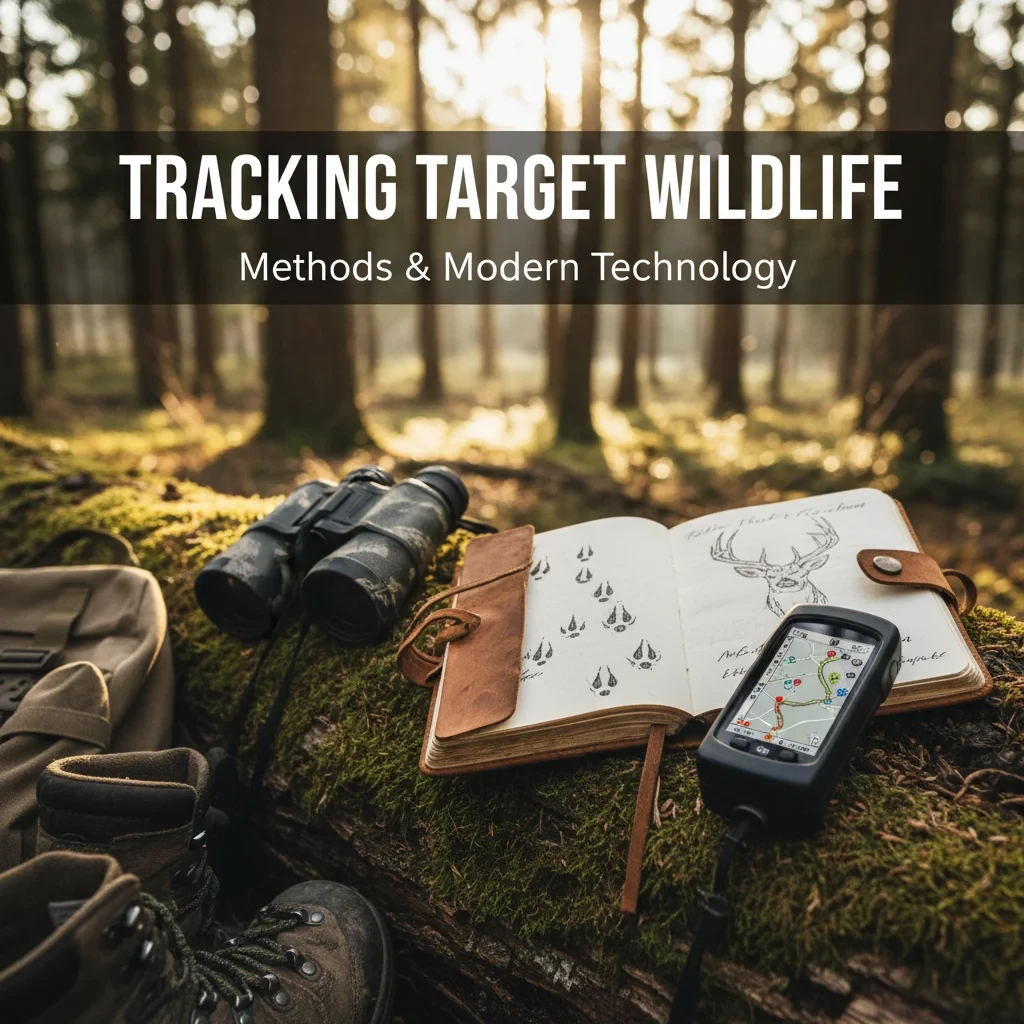
The Complete Safari Packing List
| Category | Item | Specification | Quantity |
|---|---|---|---|
| Clothing | Long-sleeve bush shirt | Neutral (khaki/olive/tan), UPF 50+ | 3–4 |
| Clothing | Convertible trousers | Zip-off, lightweight, neutral tone | 2–3 |
| Clothing | Fleece mid-layer | Packable 200gsm for pre-dawn drives | 1 |
| Optics | Binoculars | 8×42 or 10×42, waterproof, roof prism | 1 pair |
| Footwear | Ankle boots | Closed-toe, snake-resistant sole | 1 pair |
| Health | DEET insect repellent | 30–50% DEET concentration | 2 bottles |
| Camera | Telephoto lens | 200–400mm minimum focal length | 1 |
| Power | Power bank | 20,000mAh minimum | 1 |
| Power | Universal adaptor | Type M (SA) / Type G (East Africa) | 1 |
What Colours Should You Wear on Safari?
White, bright blue, and red clothing triggers alarm responses in prey species. Camouflage patterns are prohibited in Kenya, Tanzania, and Zimbabwe.
- Optimal colours: khaki, sand, olive green, stone, brown
- Avoid: white, black (attracts tsetse flies), bright primary colours, camouflage prints
- Footwear: beige or brown boots — black boots absorb heat and attract tsetse flies
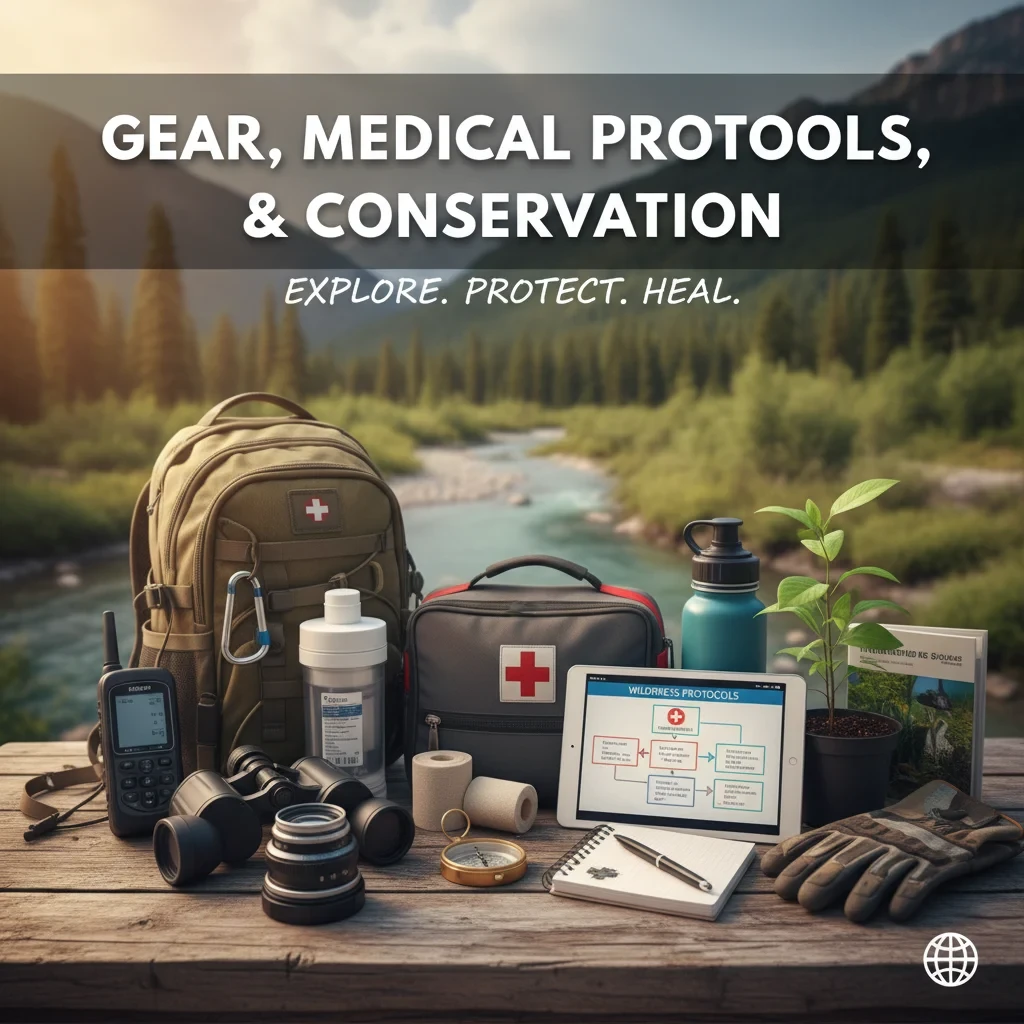
Compare lodge accommodation via Booking.com Safari Lodges or package flights and lodge via Expedia Africa Safari.
Frequently Asked Questions
Can you bring a large suitcase on safari?
Charter flight luggage limits in East Africa restrict bags to 15kg soft-sided bags only. Pack a soft duffel as your main safari bag.
What is the most important item to pack for safari?
Binoculars consistently rank as the single most impactful piece of safari kit — transforming a distant shape into a specific species. A good 8×42 binocular costs $150–$400.