A Beginner’s Guide to Planning a South Africa Safari
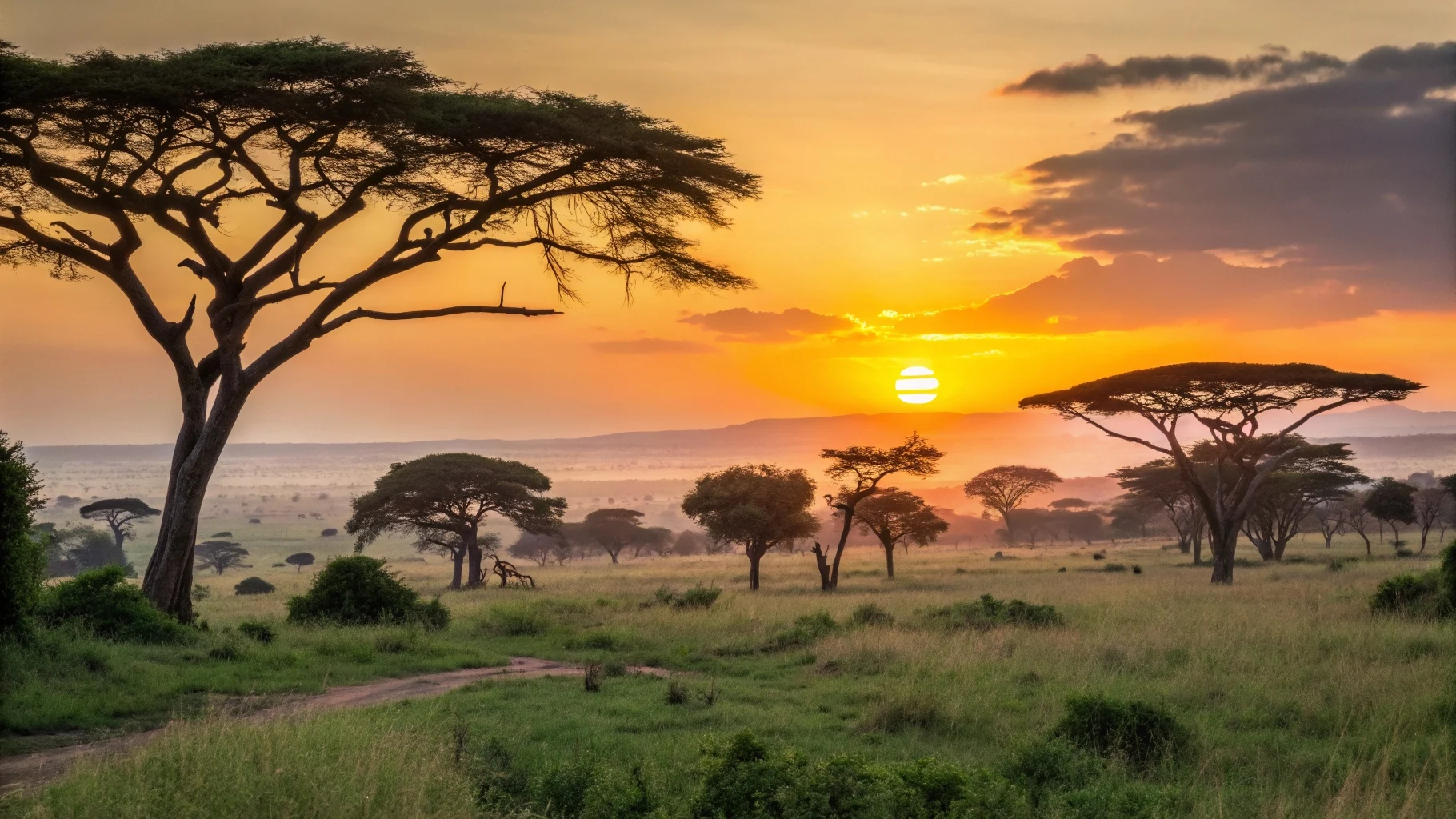
Modern South African safaris operate as tightly regulated ecotourism frameworks. Operators build itineraries around ethical photographic encounters and habitat preservation. The regional environment supports endemic wildlife through highly specific vegetation zones. Savanna tracts feed large herbivores, Fynbos habitats sustain specific pollinators, and Nama Karoo zones shelter desert-adapted mammals. Closed-vehicle bushveld tracking dictates the primary South African model. Guides maneuver through dense thickets to locate stationary predators, contrasting heavily with East African operators who track seasonal herd migrations across open plains. Selecting regions matching your specific travel capabilities becomes easier when you understand this foundational environment.
Primary Wildlife Destinations: Where to Begin
Each geographical zone presents specific ecological advantages for predator tracking and macro photography. Selecting the correct game reserve formulates the foundation of your trip. First-time visitors prioritize areas featuring high animal density and accessible road networks.
The Greater Kruger Region: A Big Five Capital
SANParks governs the massive 19,485-square-kilometre Kruger biosphere. This protected national asset functions as the premier destination for independent and guided tours. Reports verify how Kruger National Park spans roughly nineteen thousand square kilometers of highly protected wilderness. The reserve benefits heavily from Kruger’s massive size and ninety-eight years of dedicated protection.
Public rest camps maximize wildlife encounters through strategic positioning along major rivers. Skukuza, Lower Sabie, and Satara sit directly adjacent to high-density animal corridors. You increase daily sightings when you book the best Big Five safari lodge options near Kruger. You gain immediate access to these active wildlife zones by using this interactive Kruger accommodation map.
Wild Fact: Ecological researchers state the biosphere sustains populations of 147 distinct mammalian species across various biomes [1], guaranteeing heavy animal traffic for first-time visitors. Biologists report Kruger National Park manages a thriving population of over 31,000 African elephants [4].
Private concessions operate under independent commercial frameworks adjoining the national park. The Greater Kruger Area maintains unfenced borders, permitting animals to migrate naturally. Private reserves limit vehicle density directly. Management caps the number of cars at individual predator sightings, preventing traffic jams seen in public parks. Guides hold legal permits for off-road driving, pushing vehicles deep into the bush. Industry regulations confirm private reserve regulations allow rangers to drive off demarcated road networks [2]. You secure absolute exclusivity when you process a Sabi Sands luxury lodge reservation right here. Some commercial operators maximize land access where traversing agreements permit neighbouring lodges to utilize expanded game viewing zones [3]. To replicate this success on your own trip, planners frequently analyze the interactive map for Kruger accommodation and self-drive staging points. It becomes obvious why Kruger National Park Lodges offer the best Big Five safari based on sheer land mass and animal density.
Madikwe and Pilanesberg: Malaria-Free Territories
Geographically separated provinces host major malaria-free alternatives. The North West Province contains Pilanesberg and the Madikwe Game Reserve. Parents select these specific regions to skip administering prophylactic medication to young children. You build a medically low-risk itinerary when you review highly rated family safaris in malaria-free Madikwe. Planners frequently secure family safaris within the Madikwe malaria-free game reserves to prioritize health.
Madikwe bypasses standard tourist routes while sitting just a short one-hour flight from Johannesburg. The terrain mimics the arid Kalahari environment, featuring rocky outcrops and sparse vegetation shaped by a massive population of over 1,000 elephants. Wild dog populations have successfully rebounded from previous disease outbreaks here. These highly social predators execute daylight hunts with a documented 75% success rate. Research confirms that Madikwe offers the most consistent wildlife viewing opportunities available inland. Visitors can locate top-rated malaria-free family safaris in Madikwe or choose to secure accommodations for malaria-free family safaris in the Madikwe region. Malaria-free options allow first-timers to combine a safari with coastal beaches without facing health risks.
The Eastern Cape: Big Seven Sightings
Eastern Cape reserves deliver Big Seven viewing alongside the Great Escarpment. Private concessions host lion, leopard, buffalo, elephant, and rhino without requiring anti-malarial medication. Addo Elephant National Park extends this biodiversity to include southern right whales and great white sharks off the coast. Visitors who read the beginners guide to a South Africa safari recognize the extreme medical value of this disease-free province. Environmentalists examine South Africa wildlife statistics and conservation success stories to appreciate the rapid recovery of local species in this specific province.
KwaZulu-Natal and Phinda: Coastal Forest Encounters
Northern KwaZulu-Natal combines dense woodlands with long golden beaches. Game reserves in this region produce frequent rhinoceros and big cat sightings. The environment changes rapidly from palm savannahs to the iSimangaliso Wetland Park coastline. Guests finish morning game drives and begin afternoon scuba diving sessions. Industry documentation confirms that Phinda incorporates no fewer than seven distinct biological environments including the sand forest. You avoid malaria zones entirely when you book a KwaZulu-Natal bush and beach luxury lodge in Phinda. Visitors can evaluate the ultimate KwaZulu-Natal bush and beach combinations near Phinda or actively survey the KwaZulu-Natal bush and beach near Phinda to experience dual biological zones. Recent conservation reports show the region protects critically endangered species and facilitates active cheetah rehabilitation programs. Regional experts emphasize that shoulder season months account for the largest enquiry share across these coastal locations.
The Whale Coast: Marine Tracking
Walker Bay shelters Southern Right Whales during their annual breeding cycle. Hundreds of pregnant females migrate from the Antarctic Ocean into the temperate waters surrounding Hermanus. Observers state that Hermanus provides the closest land-based whale watching viewing globally, with marine mammals swimming mere meters from the 12-kilometer cliff path.
Tracking Target Wildlife
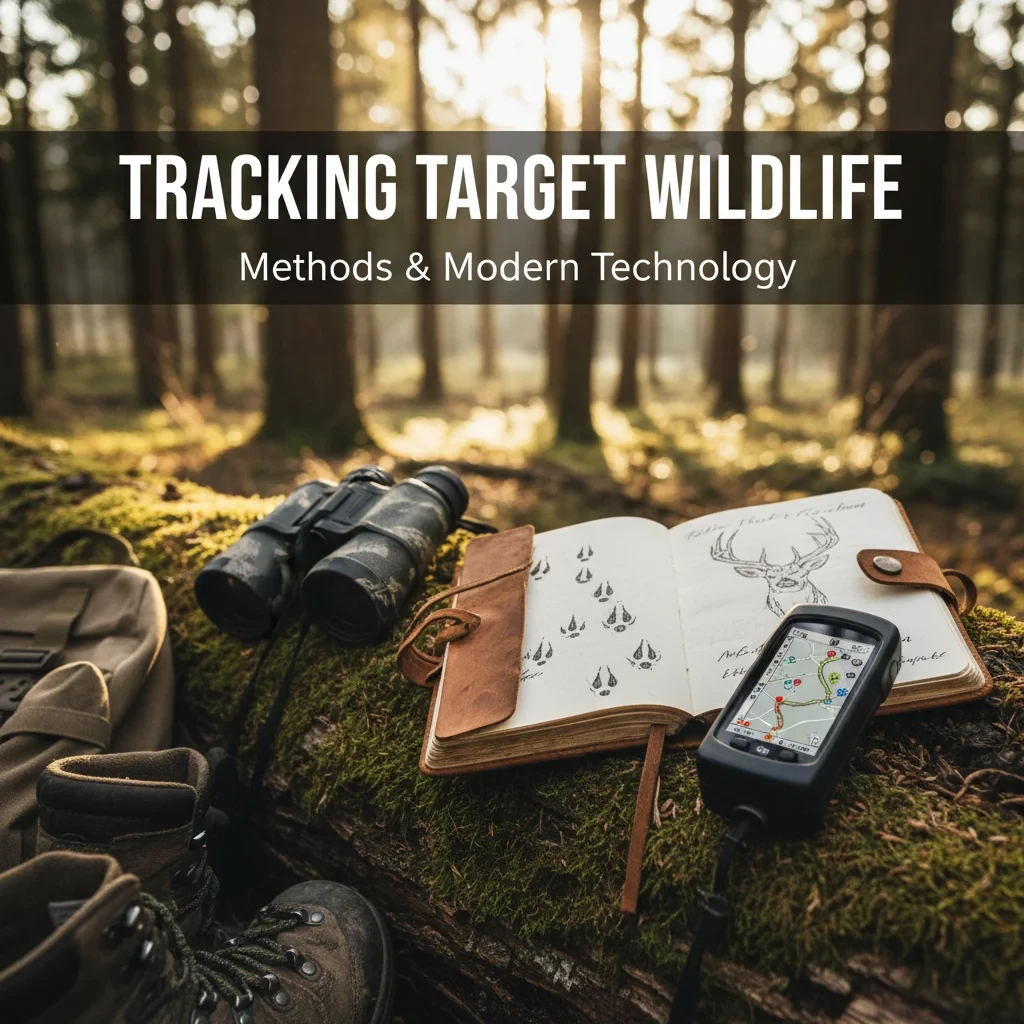
Lions, leopards, rhinos, elephants, and Cape buffalo make up the famous ‘Big Five’. Hunters originally coined this phrase to define the continent’s most dangerous animals to track on foot. Modern tourism repurposes the exact classification as a primary photographic target list. Statistics confirm a high success rate, as over eighty percent of safaris have delivered successful Big Five sightings. what are the Big Five and will you see them on safari details how frequent visitors secure these prestigious sightings.
Plains game, predators, and endemic birdlife fill the broader ecological pyramid. Impala, zebra, and giraffe populate the dense savanna biomes. Cheetahs and African wild dogs hunt these herbivores across the open tracts. Lilac-breasted rollers and African fish eagles dominate the daily avian sightings. Knowing your target wildlife species dictates the daily driving methods you choose.
Core Safari Categories
Self-Drive Safaris
Self-drive tourists travel public reserves using standard rental cars. Visitors drive tarmac routes and graded gravel networks completely independently. Park management enforces strict gate times, speed limits, and heavy fines for rule-breakers. Drivers must return to designated rest camps before sunset. Independent travelers book self-drive lodges near the Kalahari desert routes to build a flexible, budget-friendly trip. Budget-conscious adventurers often find the best self-drive or budget safari in Kalahari or organize budget-friendly self-drive safari itineraries through the Kalahari Desert.
Guided Luxury Safaris
Inclusive packages bundle luxury suites, dining, open-vehicle drives, and armed bush walks into one daily tariff. Field Guides track apex predators using telemetry, fresh tracks, and alarm calls. These local experts manage all the driving, letting guests focus on firing off camera shutters. You gain access to elite tracking teams when you reserve world-class five star safari lodges providing absolute comfort. Visitors frequently experience five star lodges offering a world of comfort or experience a world of comfort at these five-star safari lodges.
Daily Routine and Weather Patterns

Operators schedule activities strictly around crepuscular predator behaviors. Morning drives launch at 05:30 AM in summer and 06:30 AM in winter. Animals burn energy and hunt during these cooler morning windows. The evening routine features a casual drinks stop, progressing into nocturnal spotlighting to catch active leopards and hyenas on the move. Routine guides run operations methodically throughout the year; daily morning and evening guided safari game drives unravel the African bush mysteries.
Seasonal shifts dictate animal visibility and overall trip aesthetics:
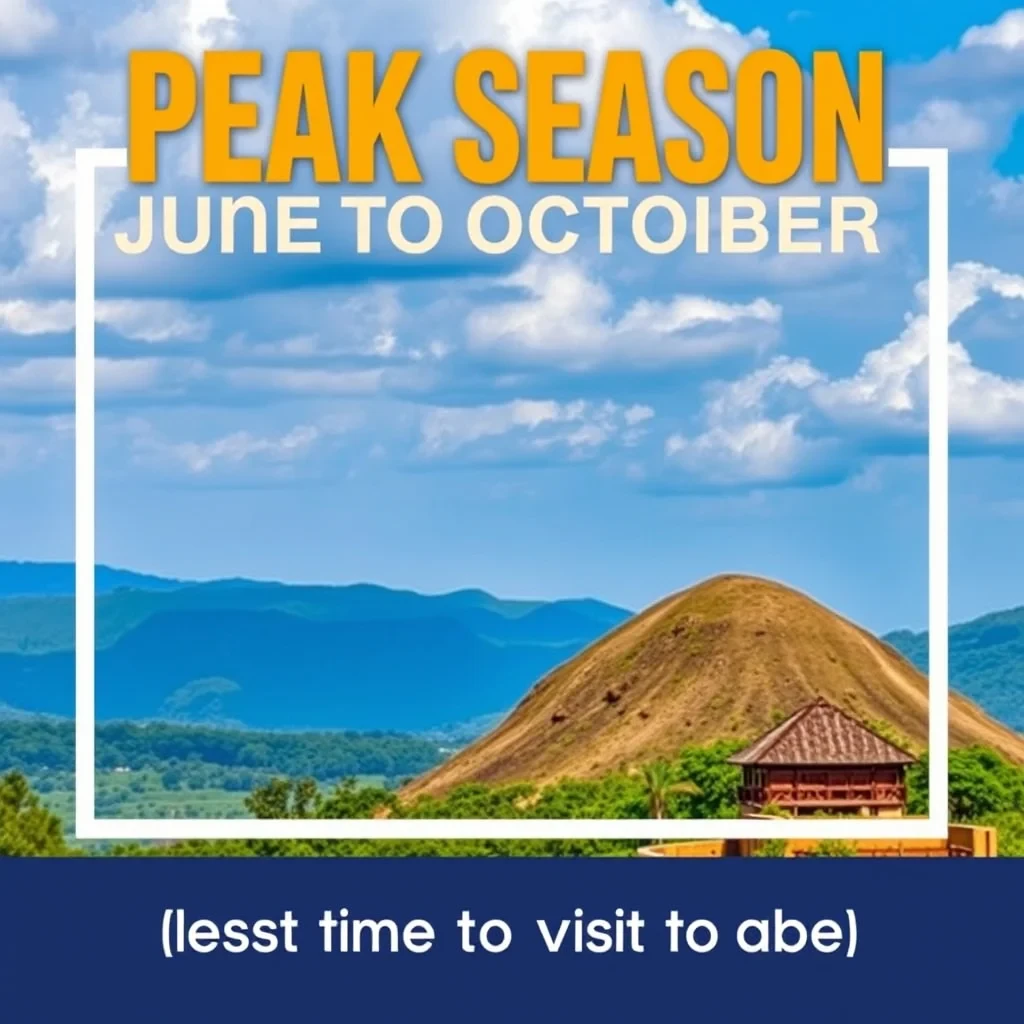
- High Season (Dry Winter Season: May–September): Diminished vegetation improves sightlines and shrinking water sources force animals to congregate around permanent boreholes. Experts confirm the dry winter season presents the most predictable conditions for wildlife viewing. Planners note that travelers maximize their wildlife viewing density during the intermediate shoulder seasons. Data confirms this trend; South African National Parks conservation data shows peak predator sightings from August to October.
- Low Season (Wet Summer Season: October–April): Heavy rains shift the topography into a lush green expanse and migratory birds populate the local trees.
Regional Safari Comparison
| Reserve Name | Primary Habitat | Target Wildlife | Malaria Risk | Best Viewing Season |
|---|---|---|---|---|
| Kruger National Park | Savannah Woodland | Big Five Predators | Low/Medium | May to September |
| Madikwe Game Reserve | Arid Grassland | African Wild Dogs | None | May to September |
| Sabi Sands Reserve | Riverine Bush | Leopards | Low/Medium | May to September |
| Lalibela Game Reserve | Valley Bushveld | Rhinoceros | None | October to March |
Structuring Safari Budgets and Logistics
Pricing tiers fluctuate based on concession exclusivity, lodge star-grading, guiding qualifications, and seasonal demand. SANParks levies basic daily conservation fees for public access. Private reserves mandate heavy gate levies and community trust contributions. You establish accurate daily spending limits when you run a detailed price comparison analysis using Kayak tools. Planners actively review our budget guidelines and daily cost breakdown or review detailed budget guidelines and safari cost breakdowns across all regions.
The average expense for a mid-range package falls around $2,600 to $4,500 per person for a seven-day trip, though you must evaluate average costs for mid-range safari packages to secure accurate estimates. Planners review current South African safari cost guides for budgeting to allocate travel funds accurately across different regions. Flights, visas, and vaccinations are additional elements you must budget for yourself.
| Luxury Level | Low Season (Nov – Apr) | High Season (Jul – Oct) | Accommodation Type | Food & Beverage |
|---|---|---|---|---|
| SANParks Self-Drive | $500 | $550 | Public Rest Camps | Self-Catering |
| 4-Star Lodge | $600 | $650 – $900 | Mid-tier Canvas Tents | Full Board (Excl. Alcohol) |
| 5-Star Private Reserve | $1,100 | $1,200 – $1,850 | Private Villas / Suites | Fully Inclusive |
Industry analysts confirm travelers are currently spending more on medium-high budget safaris. Recent data indicates the South African safari tourism market continues expanding rapidly. Africa safari tourism market size data for 2023 confirms South Africa generated massive continental revenue. Financial analysts analyze the Southern Africa Safari Tourism market size projections to track the immense capital flowing into these distinct bio-regions.
Navigating Logistics and Extending the Itinerary
Small charter airlines connect international hubs straight to the dusty bush strips. Passengers land at O.R. Tambo International Airport or Cape Town International Airport. Federal Air and similar boutique carriers execute short hops directly into Skukuza, Hoedspruit, or Nelspruit.
Travel planners cap lodge stays at 3 or 4 nights to block “safari fatigue”. You balance the early mornings with relaxed coastal living when you combine your wildlife safari with a Cape Town vacation. Securing a solid home base is simple when you use this interactive Cape Town accommodation map overlay to find lodging near the Garden Route. Agents construct itineraries so you can combine your wildlife safari with a Cape Town visit and easily plan to combine your safari with Cape Town and the Garden Route. You can visualize exact distances when you browse real-time Cape Town accommodation availability and Garden Route mapping.
Gear, Medical Protocols, and Conservation
Packing and Optical Equipment
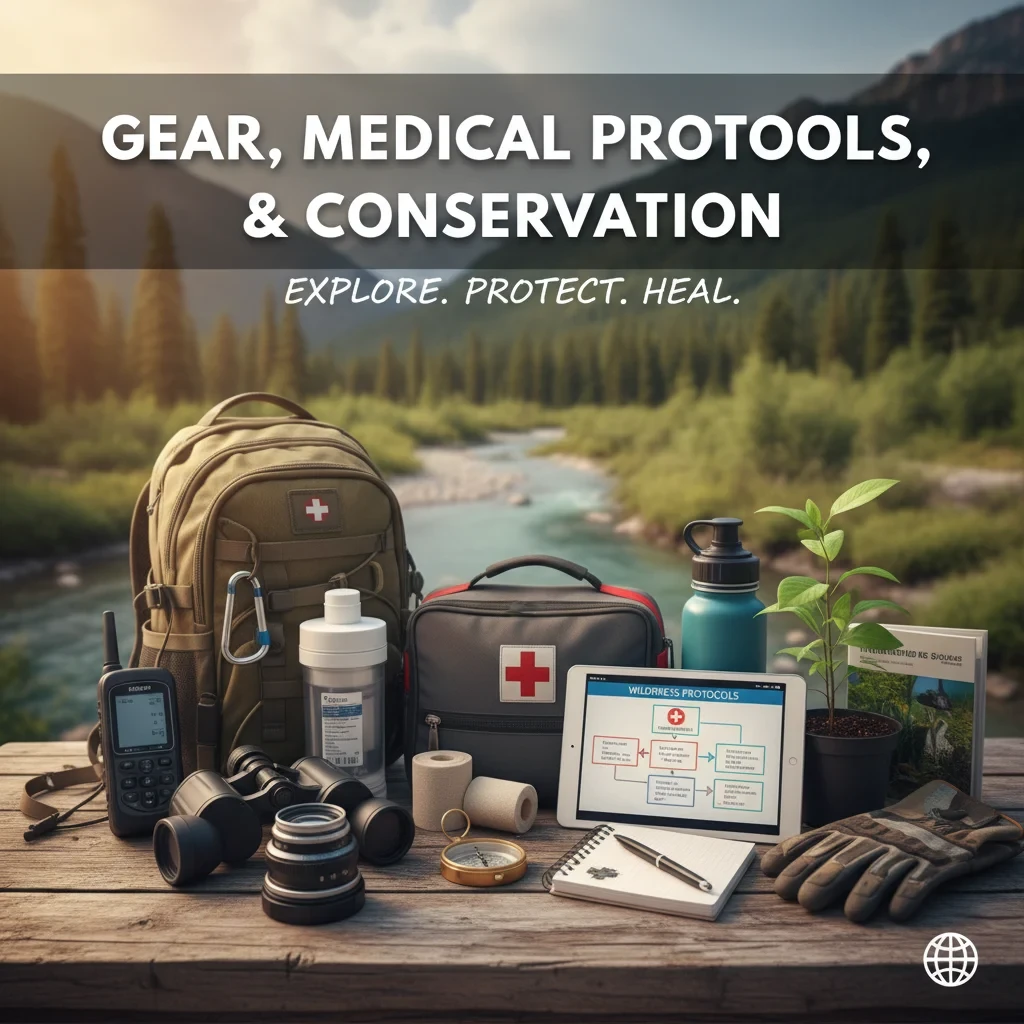
Neutral tones like khaki, olive, and brown blend directly into the dusty background. Tsetse flies aggressively target blue and black colors, meaning you must pull these shades from your packing list. Moisture-wicking fabrics beat the afternoon heat, while heavy thermal jackets fight off the freezing wind on early morning drives. Binoculars demand 8×42 or 10×42 magnification specifications for clear bird identification. Camera bodies require telephoto lenses offering a minimum 300mm to 400mm focal length to grab tight shots of distant subjects.
Medical Guidelines
Medical professionals recommend specific preventative actions for endemic zones. You swallow prescribed chemoprophylaxis pills during the peak rainy months. Physical barriers include DEET-based repellents and standard bed nets. You will avoid mosquito-borne illnesses completely if you stay within specific geographic boundaries; more than ninety-five percent of major South African attractions are malaria-free. Historical records show incredibly low transmission rates in the most famous parks; statistics reveal only two reported malaria cases among half a million guests.
Conservation Impact
Reserve management enforces rigid behavioral rules to stop human-wildlife conflict. Passengers remain seated in open vehicles during every sighting. Flash photography distresses elephants and stays banned during close encounters. The law strictly forbids feeding any wild animal.
Anti-poaching teams deploy drone surveillance, AI-camera traps, and tracking K9 units to protect high-value targets. Government records show South African authorities reported a decrease in rhino poaching incidents during 2024 [5], proving that high-tech interventions yield measurable biological stabilization. Local community land-lease agreements push direct capital into rural villages. Employment structures prioritize hiring local trackers, guides, and hospitality staff.
My Answers to your Questions
How big is South Africa compared to other countries?
South Africa spans roughly 1,500 miles of coastline along the South Atlantic and Indian Oceans. The country ranks as the 25th-largest globally, sizing up at almost double the landmass of Texas.
What is the general geography of the country?
The Great Escarpment borders a vast interior plateau. The Highveld slopes downward into the Lowveld region, which houses the Kruger National Park. The Great Karoo functions as a semi-desert scrubland fading into the arid Kalahari Desert.
What animals inhabit the Kruger territory?
Kruger National Park houses diverse mammal populations including lions, leopards, elephants, buffalo, and rhinoceroses. These primary predators and large herbivores share the habitat with giraffes, zebras, cheetahs, and wild dogs.
What drives the cost of the trip?
Accommodation tier, transport methods, and exclusive reserve access dictate the final price of any expedition.
How many days should a beginner spend on safari?
First-time visitors require three to four days in the bush to fully appreciate the wildlife rhythms and track different species before they hit the road for the coast. This duration provides enough game drives to spot the Big Five without causing fatigue.
When are the specific seasonal blocks for a safari?
Summer runs from November to March, bringing the heavy rainy season to the Kruger Lowveld. Winter operates from June to August. High season for the best wildlife viewing in Kruger peaks between July and October.
When do animals show the most activity?
Predators execute hunts primarily during dawn and dusk.
How many game drives occur daily?
Camps schedule two guided drives per day. The primary session begins at dawn, while the secondary session starts late afternoon.
Are self-drive safaris safe for tourists?
Self-drive routes offer complete safety if you follow all park regulations and maintain a respectful distance from the animals. Renting a vehicle allows independent travelers to control their own pace and reduce daily expenses.
Can beginners safely walk during a safari?
Rangers structure walking safaris specifically for beginners, utilizing highly trained guides to manage all environmental variables.
How do I select the correct accommodation?
Tourists match their specific budgets and group sizes against available lodge amenities. Families prioritize enclosed camps featuring swimming pools and childminding services. Couples select remote tented camps offering private plunge pools and candle-lit dining experiences.
What is the minimum age for children on safari?
Most luxury lodges enforce a six-year minimum age for open-vehicle game drives. Certain private villas accommodate younger infants.
Do I require anti-malarial medication?
Doctors recommend prophylactics for Kruger National Park and Limpopo reserves. Madikwe Safari Parks and Eastern Cape reserves remain entirely malaria-free.
When should travelers book their domestic flights?
Passengers purchase regional airline tickets approximately six months prior to their planned departure dates. Early reservations secure preferred seating and lower fares on smaller chartered aircraft flying directly into private reserve airstrips.
What clothing items belong in a safari suitcase?
Travelers pack neutral-colored, lightweight layers constructed from breathable fabrics. Functional wardrobes include long-sleeved shirts to repel insects, wide-brimmed hats to block ultraviolet rays, and sturdy walking boots to navigate uneven terrain safely. Layers become necessary during the winter months, as early morning departures often feature near-freezing temperatures.