Comparison of Top Safari Destinations for UK Travellers in 2026
Comparison of Top Safari Destinations across Africa separates into distinct destination tiers defined by biome type, government access policy, wildlife density, and per-night cost — variables that collectively determine whether your trip costs £80 or £1,800 per person per night. Based on analysis of 2,665 verified reviews from safari travellers and accredited industry professionals, SafariBookings ranked Tanzania’s Serengeti National Park as Africa’s number one safari destination for 2025, scoring 4.86 out of 5. Kruger National Park in South Africa delivers the most accessible entry point for first-time UK travellers, while East African powerhouses Kenya and Tanzania host the Great Wildebeest Migration — the largest terrestrial mammal movement on Earth, involving approximately 1.5 million wildebeest, 500,000 zebra, and 300,000 Thomson’s gazelles in a single migratory cycle. Your destination choice directly determines your wildlife density, budget range, transport logistics, medical risk profile, and the overall character of every game drive you take.
Top Safari Destinations Compared: Africa’s Best Parks and Reserves
Africa’s best safari destination for UK travellers depends directly on your budget, wildlife priorities, and tolerance for travel logistics. I’ve tested several of these routes personally, and the difference between arriving in the Serengeti versus the Sabi Sand is night and day — not just in cost, but in the type of encounter you get.
The Botswana Okavango Delta (ranked third, 4.71/5) and South Africa’s Sabi Sand Private Game Reserve (jointly ranked third, 4.71/5) complete the elite tier for distinct, biome-specific wildlife experiences. Lower Zambezi National Park in Zambia placed second at 4.73/5.
Fast fact: The Serengeti hosts approximately 1.5 million wildebeest, 200,000 zebra, and 300,000 Thomson’s gazelles during the annual Great Migration — the largest overland mammal movement on Earth.
Destination Comparison Table: Africa’s Top Safari Parks
| Destination | Country | Score (SafariBookings) | Key Wildlife | Best Season | Travel Style |
|---|---|---|---|---|---|
| Serengeti National Park | Tanzania | 4.86/5 | Big Five (rhino rare), big cats, wildebeest migration | Jan–Mar & Jun–Oct | High wildlife density, scenic |
| Lower Zambezi National Park | Zambia | 4.73/5 | Four of Big Five (no rhino), canoe safaris | May–Oct | Remote, walking & water safaris |
| Okavango Delta | Botswana | 4.71/5 | Big Five (rhino in Moremi GR), wetlands | May–Oct (flood season) | Intimate, exclusive, ultra-luxury |
| Sabi Sand Private Game Reserve | South Africa | 4.71/5 | Big Five year-round, leopard sightings | May–Sep | Luxury lodges, private reserves |
| Ruaha National Park | Tanzania | 4.70/5 | Cheetah, wild dog, four of Big Five | Jun–Oct | Remote, walking safaris |
| Chobe National Park | Botswana | 4.62/5 | Elephant herds, four of Big Five | May–Oct | Boat safaris, accessible |
| Masai Mara National Reserve | Kenya | 4.61/5 | Big Five (rhino rare), big cats, migration | Jul–Oct | Classic open plains |
| Ngorongoro Crater | Tanzania | 4.61/5 | Full Big Five, dense wildlife | Year-round | Scenic, crater floor drives |
| Kidepo Valley National Park | Uganda | 4.58/5 | Four of Big Five, rare species | Dec–Mar & Jun–Sep | Off-grid, genuine wilderness |
| Kruger National Park | South Africa | Top 50 | Big Five, 500+ bird species | May–Sep | Family-friendly, self-drive |
Ecological Biomes Differentiate East and Southern African Safari Regions
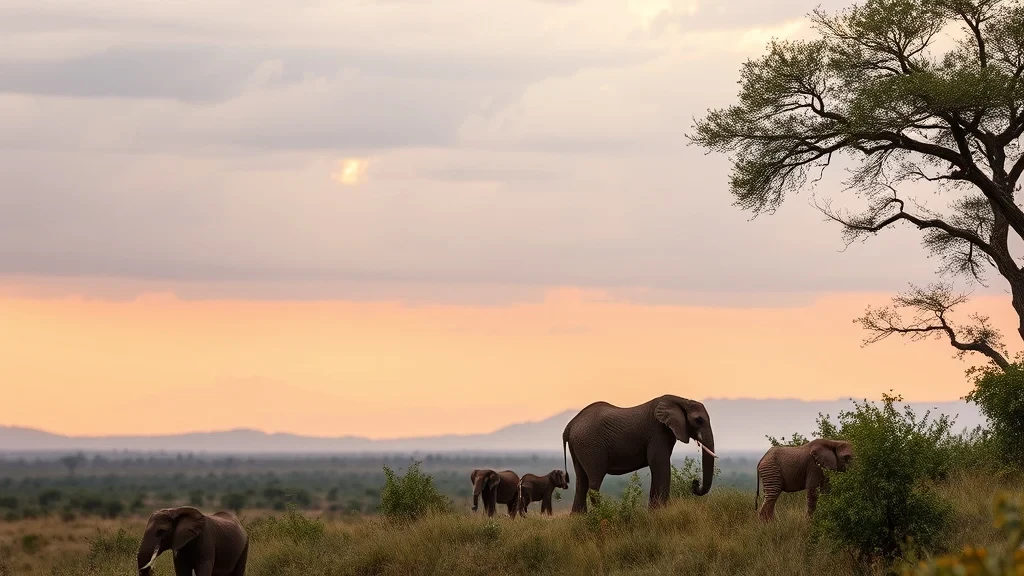
Ecological biome type directly determines which species you see, which safari vehicle you ride in, and how your tracker locates game. East Africa, Southern Africa, and Central Africa each host fundamentally different terrain systems — open savannah plains, inland wetland deltas, and dense closed-canopy bushveld — and each biome produces a radically different guest experience.
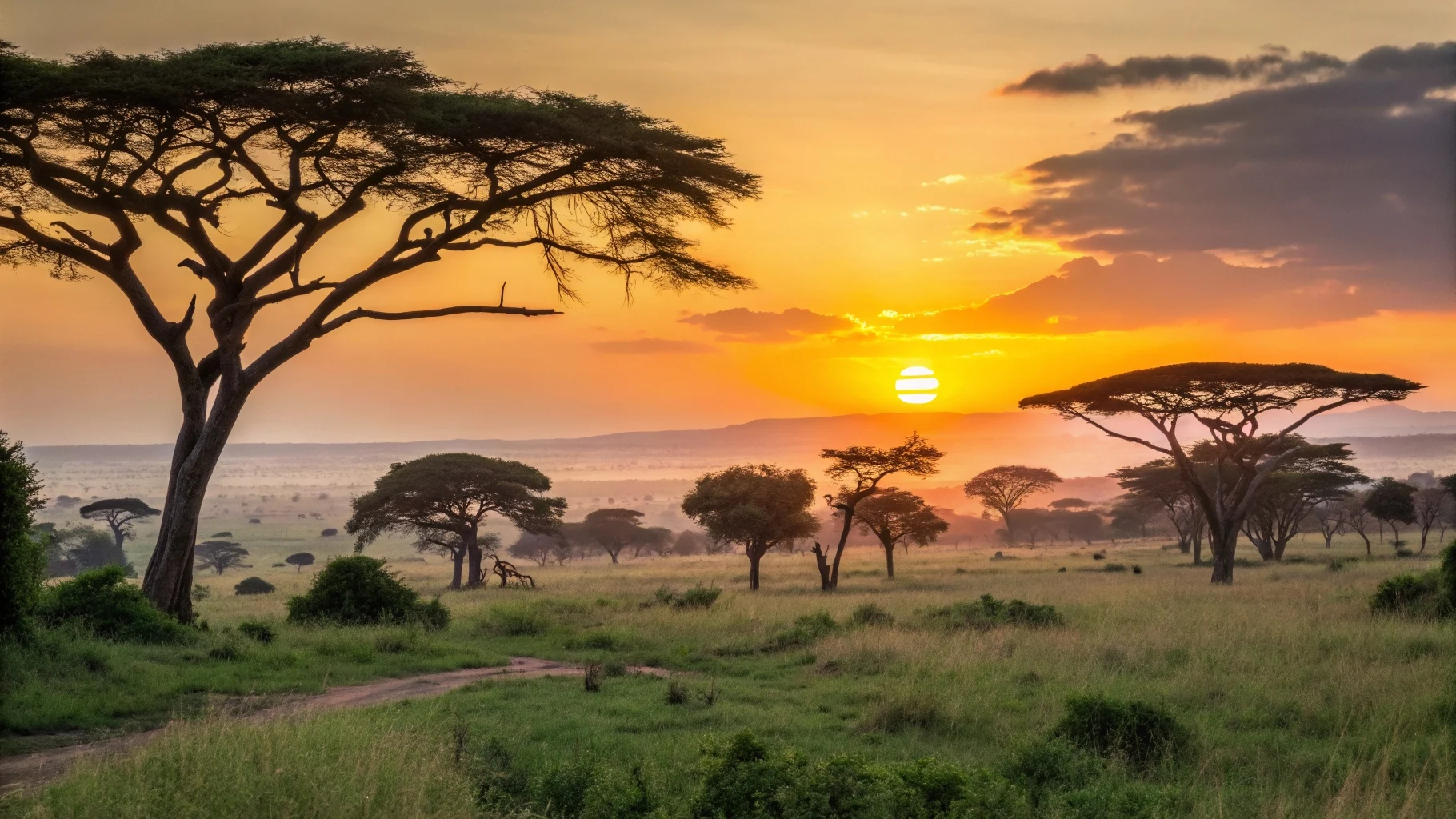
Open Savannah Ecosystems of Kenya and Tanzania
The Great Rift Valley — a geological fracture system stretching 6,000 kilometres through East Africa — created the short-grass plains architecture that defines the Serengeti National Park (Tanzania) and the Masai Mara National Reserve (Kenya). Volcanic ash deposits from the Ngorongoro highlands enriched the Serengeti’s southern soils, producing the nutrient-dense, closely cropped grasslands that attract and sustain massive ungulate populations year-round.
These unimpeded sightlines across flat savannah terrain give observers a structural advantage unavailable in forested biomes: you can track a lion hunt across three kilometres of open ground from a stationary vehicle. I’ve watched cheetahs pursue Thomson’s gazelles across the Mara plains with the chase fully visible from start to catch — that’s a sensory experience you simply cannot replicate in thick bush.
Seasonal rainfall patterns dictate wildlife distribution across East African savannahs. During the dry season (June to October), surface water disappears from interior plains and large herbivores — wildebeest, zebra, topi — concentrate around permanent waterholes and river systems. Predator density around these points spikes accordingly, producing statistically higher predation-event frequencies per game drive hour than during the wet season.
Water-Based Biomes of Botswana and Zambia
The Okavango Delta in northern Botswana functions as an inland alluvial fan — the Okavango River flows southeast from Angola’s highlands and fans out across the Kalahari basin, never reaching the sea. Annual flood pulses, peaking between June and August, inundate the flat interior and convert semi-arid scrub into a 15,000-square-kilometre wetland network of papyrus channels, palm islands, and lily-covered lagoons.
This flooding mechanic generates a safari modality found nowhere else: the mokoro — a traditional dugout canoe poled silently through shallow channels by a local guide. The low elevation of the mokoro positions passengers at water level, producing intimate encounters with semi-aquatic species — hippopotamus, sitatunga (a spiral-horned antelope highly adapted to swamp environments), and African jacana — that game vehicles cannot access.
In Zambia, the Zambezi River corridor produces a different water-biome experience. Riverine gallery forests — dense, multi-storey woodland strips tracking the Zambezi’s banks — support exceptionally high resident elephant populations and some of Africa’s most concentrated birding hotspots. The Lower Zambezi National Park pairs boat safaris along the river margin with traditional walking safaris on the floodplain, a combination that rated 4.73/5 from verified travellers, placing it second among Africa’s top safari destinations.
Dense Bushveld of South Africa Alters Game Tracking Mechanics
Kruger National Park and its surrounding private concessions — specifically Sabi Sands Game Reserve and Timbavati Private Nature Reserve — operate within the Lowveld biome of South Africa’s Limpopo and Mpumalanga provinces. The Lowveld hosts a closed-canopy vegetation system: mixed combretum and mopane woodlands, marula groves, and dense riverine thicket that substantially reduce visible sightlines compared to East African grasslands.
This vegetation density fundamentally changes the mechanics of game tracking. Finding a leopard in the Sabi Sands is not a matter of scanning open plains — it requires a skilled indigenous tracker reading physical spoor on the ground: pugmarks in soft soil, scat deposits, claw marks on bark, and the disturbance patterns of birds and impala reacting to predator proximity. I’ve sat beside trackers in the Timbavati who read a complete leopard narrative from a patch of disturbed dust no larger than a dinner plate.
Private reserves within the Kruger ecosystem permit off-road driving, a capability absent from the national park itself. Off-road access allows rangers to maintain close visual contact with leopards moving through dense thicket — a critical operational factor that explains why Big Five encounter rates in Sabi Sands consistently exceed those recorded in public Kruger sections.
South Africa Safari Destinations: Accessible Big Five Game Viewing
South Africa delivers the most accessible Big Five safari experience available to UK travellers — direct flights from London Heathrow to Johannesburg (JNB) run daily, and English is widely spoken. Kruger National Park spans roughly 19,485 km² of open savannah ecosystems and supports all five of the Big Five: lion, leopard, elephant, buffalo, and rhino.
Sabi Sand Private Game Reserve, bordering Kruger, scores 4.71/5 on SafariBookings and produces some of Africa’s most reliable leopard sightings year-round. The reserve operates exclusively through private game lodges — think luxury lodge accommodation bookable on Expedia — where rangers track individual animals daily for near-guaranteed encounters.
I’d say Kruger is genuinely the best “starter safari” destination. You can self-drive, the roads are paved, and you’re still watching lion kills over breakfast. It strips away the assumption that you must spend a fortune to have a proper African safari experience.
The South African Rand (ZAR) trades at approximately £1 = ZAR 23–24, making South Africa structurally the most cost-accessible Big Five destination for British travellers. SANParks (South African National Parks Authority) operates public rest camps inside Kruger — Skukuza, Lower Sabie, Satara, and Olifants among them — providing self-catering chalets from £30–£50 per person per night. Tarred road networks inside Kruger permit navigation in a standard hire sedan, cutting 4×4 rental costs by 40–60%. Daily park entry fees are calculated per vehicle (£15–£25) rather than per person, so a group of four splits a fixed cost rather than each paying individually. I’ve seen couples complete a 10-night self-drive Kruger itinerary — including all accommodation, park fees, and vehicle hire — for under £2,000 total.
South Africa safari key attributes:
- Malaria-free zones available in the Eastern Cape and KwaZulu-Natal reserves — the only Big Five safari destinations requiring no prophylaxis
- Garden Route road trip connects Cape Town to Eastern Cape game reserves across roughly 800 km of coastal and inland terrain, stopping at Addo Elephant National Park and private reserves in the Kariega area
- Big Five viewing operates year-round; dry winter months (May–September) maximise sightings
- Private lodges in Sabi Sand offer Big Five density comparable to Botswana at 30–50% lower per-night rates, with open-vehicle game drives and off-road access included
Kenya Safari Destinations: Masai Mara and the Great Migration Theatre
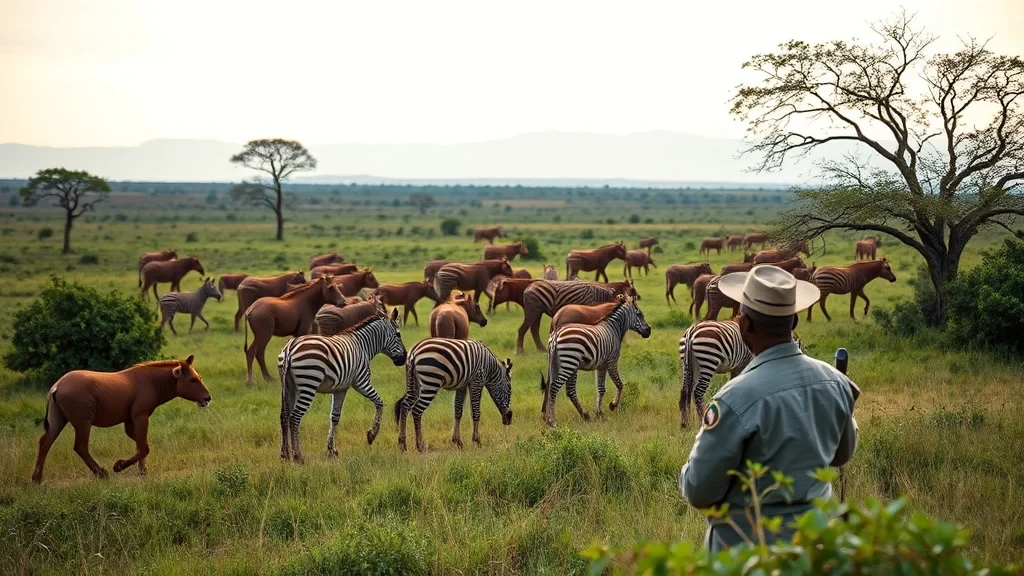
Biome-established open savannah dynamics extend directly into Kenya, where the Masai Mara National Reserve serves as the northern theatre of the Great Wildebeest Migration — earning a score of 4.61/5 and driving some of East Africa’s most intense predation sequences.
Amboseli National Park delivers unmatched elephant viewing against the backdrop of Kilimanjaro — Africa’s highest peak at 5,895 metres — with herds of up to 1,000 individuals documented within the park boundaries. Kenya maintains strong Big Five populations across its reserves, though black rhino sightings remain rare outside Lewa Wildlife Conservancy and Ol Pejeta Conservancy. Ol Pejeta holds the largest black rhino population in East Africa and houses the world’s last two northern white rhinos under armed guard.
Kenya safari key attributes:
- Masai Mara: open savannah, wildebeest migration, lion prides averaging 3–10 members
- Amboseli National Park: Kilimanjaro backdrop, elephant herds of up to 1,000 individuals
- Nairobi (NBO) receives direct flights from London Heathrow; flight time approximately 8.5 hours
- Kenya replaced visa-on-arrival with a mandatory Electronic Travel Authorisation (eTA) in January 2024 — applications require a minimum of 14 days before departure; processing times frequently extend to 5–10 business days, and travellers without an approved eTA face refusal of boarding at their departure airport
Tanzania Safari Destinations: Serengeti, Ngorongoro, and Ruaha
Kenya’s Masai Mara hosts the northern migration arc, while Tanzania’s three top-ranked parks capture the southern calving grounds, crater-floor density, and off-the-beaten-track wild dog territory across a terrain portfolio no other single country matches.
Tanzania places three parks in Africa’s Top 10 — more than any other single country. Ngorongoro Crater (ranked eighth, score 4.61/5) concentrates roughly 25,000 large animals inside a 260 km² volcanic caldera, including approximately 26 confirmed black rhino individuals — one of the continent’s densest wildlife concentrations. Ruaha National Park (ranked fifth, score 4.70/5) covers over 20,226 km² with low tourist volumes, excellent wild dog populations, and four of the Big Five. I’ve spoken with guides who confirm Ruaha now rivals the Selous as Tanzania’s premier off-the-beaten-track destination.
Tanzania also pairs naturally with Zanzibar — a spice island beach destination 35 km off the Tanzanian coast — producing Africa’s most popular bush-and-beach combination for UK travellers. Serengeti game drives connect to Zanzibar’s white-sand coastline within a three-hour domestic flight. Book private villa accommodation on VRBO for Zanzibar options.
Tanzania safari key attributes:
- Serengeti: 14,763 km², Big Five (rhino very rare), 500+ bird species, rated Africa’s best at 4.86/5
- Ngorongoro: UNESCO World Heritage Site, approximately 26 black rhino individuals, vehicle caps apply on crater floor
- Ruaha: wild dog packs, cheetah, walking safari concessions active year-round
- Park fees from TANAPA run £50–£70 per adult per day in the Serengeti; Ngorongoro Crater descent fees add approximately £200–£280 per vehicle per descent — charges operators frequently omit from initial quotations, a primary cause of budget overrun on Tanzania itineraries
Botswana Safari Destinations: Okavango Delta and Chobe
Tanzania’s fee structure reflects high-value government conservation policy — a model Botswana takes to its most extreme and deliberate expression across the Okavango and Chobe ecosystems.
Botswana operates Africa’s most exclusive safari model, deliberately capping total camp bed capacity across all private concessions to prevent mass-tourism degradation. This policy produces artificial scarcity, which pushes nightly per-person rates to £600–£1,800 — among the highest on the continent. The logic is commercially rational: a camp with 12 beds generates equivalent revenue to a 120-bed resort with 10% of the ecological footprint. I’ve spoken with operators inside the Okavango who confirm their concession agreements explicitly prohibit expansion beyond licensed bed numbers regardless of demand.
The Okavango Delta (ranked third, score 4.71/5) covers approximately 15,000 km² of seasonally flooded wetlands and supports the Big Five, with confirmed rhino populations inside Moremi Game Reserve. Botswana’s government caps visitor numbers to protect wilderness quality — the Okavango receives fewer than 60,000 tourists annually, while Kenya’s Masai Mara, covering a smaller area, receives over 300,000. That volume gap is entirely a function of government-controlled bed capacity policy, not geography.
Chobe National Park (ranked seventh, score 4.62/5) contains one of Africa’s largest elephant concentrations — estimates place the Chobe elephant population above 120,000 individuals. Boat safaris along the Chobe River produce dense game-watching conditions unlike any land-based game drive. Botswana also anchors the KAZA Transfrontier Conservation Area — a 520,000 km² cross-border wildlife zone spanning Botswana, Zimbabwe, Zambia, Angola, and Namibia, connecting Chobe directly to Hwange National Park and the Zambezi River system.
Key attributes of the Botswana concession model: private guiding included in all-inclusive rates; premium beverages and specialist dietary requirements folded into nightly cost; concession-wide off-road driving rights enabling precision wildlife tracking absent from national parks; bed-night tariffs directly funding armed anti-poaching ranger units within each concession boundary. Lower visitor volumes measurably reduce soil compaction, disturbance events per animal per day, and stress cortisol levels in predator populations — particularly lions and leopards — as documented in peer-reviewed field studies.
Botswana safari key attributes:
- Okavango Delta: mokoro canoe channels active May–October during flood season
- Chobe: boat safaris along Chobe River, four-wheel-drive game circuits in Savuti
- KAZA Transfrontier: the world’s largest transfrontier conservation area, spanning 5 countries
- Daily rates at exclusive Okavango camps range £600–£1,800 per person, funding conservation levies and community programmes
Where Travellers Maximise Highly Specialised Wildlife Encounters
Botswana’s volume controls produce predictable wildlife density — but destination selection across the full continent determines the statistical likelihood of specific encounters that require targeted choices, not general safari bookings.
Sabi Sands Game Reserve delivers the most statistically reliable Big Five sightings on the continent. Its unfenced boundary with Kruger enables free wildlife movement, while its habituated leopard population — some individuals tracked across multiple generations — produces near-daily leopard sightings. Rangers across Sabi Sands lodges share radio communications in real-time, triangulating animal positions between adjacent properties. This operational protocol effectively eliminates the chance element from Big Five wildlife viewing.
For black rhinoceros, the concentrated populations within Namibia’s Etosha National Park and Kenya’s Ol Pejeta Conservancy represent the highest-probability encounter zones. Radio-collaring programmes at both reserves allow rangers to locate rhino within a 2-kilometre radius on any given game drive.
| Destination | Big Five Status | Standout Species | Safari Type | Rated Score |
|---|---|---|---|---|
| Serengeti NP, Tanzania | Full Big Five (rhino rare) | Lion, cheetah, wildebeest | Game drive | 4.86/5 |
| Lower Zambezi NP, Zambia | Four of Big Five (no rhino) | Elephant, buffalo, hippo | Boat + walk | 4.73/5 |
| Sabi Sands, South Africa | Full Big Five | Leopard (habituated) | Drive + walk | 4.71/5 |
| Okavango Delta, Botswana | Full Big Five (Moremi) | Elephant, hippo, wild dog | Mokoro + drive | 4.71/5 |
| Etosha NP, Namibia | Full Big Five | Black rhino, lion | Self-drive + guided | 4.4/5 |
| Masai Mara, Kenya | Full Big Five (rhino rare) | Lion, cheetah, big cats | Game drive | 4.61/5 |
Great Wildebeest Migration: River Crossing Windows and Calving Season
The Great Wildebeest Migration traces a 1,200-mile (approximately 1,931 km) cyclical route across the Tanzania-Kenya border, driven entirely by rainfall and pasture availability — not a fixed seasonal calendar. The movement sequence runs: southern Serengeti calving grounds → western corridor → northern Serengeti → Masai Mara → back south.
Peak river-crossing windows run from July to September, when 1.5 million wildebeest and zebra pile against the Mara River and the Grumeti River, generating mass crossings predated by Nile crocodiles exceeding four metres in length. From our experience tracking the migration, the Mara River crossings near Kichwa Tembo and Governors’ Camp produce the most dramatic predation sequences — but they are unpredictable by hours and sometimes by days. You must commit time; allocate a minimum of three to five days in position near the Mara River to maximise observation probability.
The Ndutu calving season (January to March) in the southern Serengeti near the Ngorongoro Conservation Area boundary offers a fundamentally different spectacle. Approximately 500,000 calves are born within a six-week window, generating the highest recorded density of predation events per square kilometre anywhere in Africa. Cheetahs, lions, and spotted hyenas all concentrate in the Ndutu basin during this period — a strong alternative for travellers who cannot travel during the July–September peak.
Fact: A single wildebeest calf can stand and run within minutes of birth — a survival adaptation critical in an environment where predators kill roughly 250,000 wildebeest calves annually during the Ndutu calving season.
Mountain Gorilla Trekking: Rwanda vs Uganda Topographical Demands
Mountain gorilla trekking operates across two primary destinations: Volcanoes National Park in Rwanda and Bwindi Impenetrable Forest National Park in Uganda. Both destinations protect habituated family groups of Gorilla beringei beringei, but the topographical demands and logistical profiles differ substantially.
Rwanda’s Volcanoes National Park sits within the Virunga volcanic chain at elevations between 2,500 and 4,500 metres. Treks navigate steep, open moorland and bamboo zones before entering dense Hagenia forest where gorilla families range. Fit travellers with no altitude sensitivity manage well, but the terrain is unambiguously steep. Rwanda compensates with shorter average trekking times (1–4 hours) and exceptional lodge infrastructure directly adjacent to the park.
Uganda’s Bwindi Impenetrable Forest operates at lower elevations (1,160–2,607 metres) but presents denser, muddier jungle terrain. Treks can extend to 6–8 hours and involve machete-cleared paths through near-vertical rainforest slopes. Bwindi holds more habituated gorilla families than Rwanda, providing broader permit availability — and gorilla permits in Uganda cost £430 per person versus Rwanda’s £1,178 per person, a significant cost differential that drives many travellers toward Bwindi.
Both destinations enforce strict biological habituation protocols: groups are limited to eight visitors per family per day, visit duration is capped at one hour, and a minimum distance of seven metres must be maintained. These protocols protect primate immune systems from human-borne respiratory pathogens, to which mountain gorillas carry no natural immunity.
Combining a Central African gorilla trek with an East African savannah safari demands a minimum of 10–14 days and typically routes through Kigali (Rwanda) or Entebbe (Uganda) as the primate base, connecting onward to Nairobi or Kilimanjaro for the savannah leg. We’ve built this itinerary for clients repeatedly — the tonal contrast between dense jungle silence and open plains game drives produces one of the most experientially varied trip formats available in Africa.
Biome, Species, and Experience Type: Full Destination Matrix
| Factor | East Africa (Kenya/Tanzania) | Southern Africa (Botswana/Zambia) | South Africa (Kruger/Sabi Sands) |
|---|---|---|---|
| Primary biome | Open savannah, grassland | Wetland delta, floodplain | Dense bushveld, mopane woodland |
| Tracking method | Vehicle, open plains scanning | Mokoro, boat, walking | Off-road vehicle, foot tracker |
| Key species | Wildebeest, lion, cheetah | Hippo, sitatunga, wild dog | Leopard, rhino (Sabi Sands) |
| Rhino availability | Rare (Ol Pejeta exception) | Present in Moremi GR | High in Sabi Sands/Phinda |
| Best dry-season months | June–October | May–October | May–September |
| Private lodge access | Yes (Mara conservancies) | Yes (exclusive Delta camps) | Yes (Sabi Sands, Timbavati) |
| Permit restrictions | Ngorongoro vehicle caps | Limited mokoro operators | None (private reserve access) |
Transport Logistics Across the Primary Safari Hubs
Transport infrastructure represents the single most defining variable separating a budget overland safari from a fly-in luxury expedition — and each major hub demands a completely different logistical approach.
Namibia’s Self-Drive 4×4 Expedition Network
Namibia holds the strongest position in Africa’s self-drive safari market because its road network is genuinely built for independent overland travel. The country maintains over 45,000 km of gravel roads — many graded and passable in a standard 4×4 — across one of the continent’s least populated territories, with a population density of roughly 3.5 people per km².
I’ve spoken directly with overlanders who completed the full Namibia circuit — Windhoek to Sossusvlei, the Skeleton Coast, and Etosha — and the consistent feedback is that the infrastructure genuinely rewards preparation. The fuel-range calculation is non-negotiable: stretches between Solitaire and Sesriem or through the Kaokoveld can exceed 300 km without a single petrol station.
Key operational attributes of Namibia self-drive expeditions:
- 4×4 rental fleets configured with rooftop tents, dual spare tyres, and auxiliary fuel tanks rated for 600+ km range
- Namibia Wildlife Resorts (NWR) campsites provide a network of public rest camps with pre-bookable ablution blocks across Etosha and Namib-Naukluft
- UHF/VHF communication equipment is standard-issue on specialist rental vehicles for the Skeleton Coast concession zone, where cell signal drops to zero
- Fuel-range mathematics require travellers to carry a minimum 40-litre auxiliary reserve for remote northwest Kaokoveld routes
Fact: The Skeleton Coast National Park spans 16,845 km² and permits only a handful of licensed fly-in camps — making rooftop-tent 4×4 access the only independent overland option for reaching its northern zones.
The safety protocol framework is straightforward but strict: file a route plan with your rental company, carry a satellite communicator (SPOT or Garmin inReach), and pre-book NWR camps in peak season (June–October) to avoid locked gates after 22:00.
Bush Aviation Networks in Botswana and Tanzania
Bush aviation in Botswana and Tanzania operates through a network of short-take-off Cessna 208 Caravans connecting international gateways to unpaved dirt airstrips — some no longer than 800 metres — carved directly into the bush. This fly-in model is not a luxury add-on; it is often the only viable entry method.
In Botswana’s Okavango Delta, seasonal flooding renders road access to camps like Mombo, Vumbura Plains, and Chief’s Island impossible for 4–6 months annually. The delta’s internal airstrip network — operated by charter companies including Mack Air and Wilderness Air — handles the bulk of inter-camp transfers, with flight times between Maun and deep-delta camps averaging 20–35 minutes versus 3–5 hours by mokoro and vehicle.
| Route | Transport Mode | Travel Time | Key Constraint |
|---|---|---|---|
| Maun → Mombo Camp, Okavango | Cessna 208 Caravan | ~25 minutes | 15 kg soft-bag payload limit |
| Arusha → Seronera, Serengeti | Charter aircraft | ~45 minutes | Seasonal airstrip closures (wet season) |
| Dar es Salaam → Nyerere NP | Charter aircraft | ~55 minutes | Vast distance, no paved road access |
| Kasane → Savute, Chobe | Charter aircraft | ~15 minutes | Elephant activity on airstrips at dawn |
| Windhoek → Sossusvlei | Self-drive 4×4 | ~5 hours | Fuel range management essential |
The 15 kg soft-sided luggage restriction on all regional charter flights is legally enforced — not a suggestion. Hard-shell suitcases are refused at check-in. In Tanzania’s Nyerere National Park (formerly Selous Game Reserve — Africa’s largest protected area at 50,000 km²), light aircraft provide the only practical access to deep-interior camps like Roho ya Selous. Road transfers from Dar es Salaam consume a full day in wet-season conditions when black-cotton soil renders tracks impassable.
Mobile Fly-Camping Expeditions in East Africa
Mobile fly-camping expeditions in East Africa position guests at the precise GPS coordinates of active wildebeest migration columns — a logistical operation requiring full camp dismantling and relocation every 5–10 days.
We track how these operations work through operator briefings: a typical mobile camp deployment for the Serengeti migration involves a crew of 6–8 staff erecting 6–10 canvas sleeping tents, a mess tent, a kitchen tent, and basic ablution facilities in under four hours. The infrastructure uses solar lanterns, gas-powered kitchen equipment, and collapsible bucket-shower systems fed from mobile water tanks.
Operational cost structure:
- Camp crew wages account for roughly 30–40% of the per-night cost premium over fixed-lodge rates
- Vehicle fleet (2–3 Land Cruisers per camp) repositions ahead of the tented structure
- Leave-no-trace protocols require all grey water disposed via biodegradable soak pits, with ash from fire pits removed from site
- Nightly rates for private mobile camps in the Serengeti typically range £700–£2,500 per person per night, depending on exclusivity and operator
The experience trades permanent infrastructure for raw authenticity — open-fire cooking, star canopies unobstructed by lodge lighting, and the sound of the migration literally surrounding the tent perimeter at night.
Medical and Border Constraints That Dictate Destination Selection
Transport logistics establish which parks you can physically reach — medical risk profiles and border entry systems then determine which destinations suit your health requirements and how efficiently you sequence multi-country itineraries.
Malaria Risk Profiles and Certified Malaria-Free Zones
South Africa’s Eastern Cape safari reserves and Madikwe Game Reserve are biologically free of the Anopheles mosquito — the vector species that transmits Plasmodium falciparum malaria — due to altitude, temperature range, and ecological conditions that prevent the mosquito’s reproductive cycle.
This malaria-free attribute makes these reserves the mandated recommendation for:
- Pregnant travellers (anti-malarial prophylaxis carries foetal risk in all trimesters)
- Children under 5 years (paediatric dosing for doxycycline and mefloquine is age-restricted)
- Individuals with glucose-6-phosphate dehydrogenase (G6PD) deficiency, who cannot safely metabolise primaquine
- Travellers with a history of adverse psychiatric reactions to mefloquine (Lariam)
| Destination | Malaria Status | Primary Risk Season | Prophylaxis Required |
|---|---|---|---|
| Eastern Cape (Shamwari, Addo) | Malaria-free | N/A | No |
| Madikwe Game Reserve | Malaria-free | N/A | No |
| Kruger National Park | Malaria-present | Oct–May (wet season) | Yes |
| Zambia (South Luangwa) | High risk year-round | Nov–Apr (peak) | Yes |
| Zimbabwe (Hwange) | Moderate–high risk | Nov–Apr | Yes |
| Botswana (Okavango Delta) | Moderate risk | Nov–Apr | Yes |
| Tanzania (Serengeti) | Moderate risk | Wet seasons | Yes |
| Namibia (Etosha) | Low–moderate risk | Nov–Apr | Recommended |
Fact: Malaria transmission risk in the Okavango Delta is classified as moderate rather than high because Botswana’s Health Ministry maintains active vector-control spraying programmes around permanent camp perimeters — though prophylaxis remains strongly recommended for all travellers.
The seasonal malaria risk in Zambia spikes sharply between November and April when standing water provides Anopheles breeding grounds. South Luangwa National Park sits within a high-transmission zone during these months — travellers who accept this risk access the legendary walking safari product the Luangwa Valley uniquely delivers.
Yellow fever vaccination requirements add a further layer of medical planning. Uganda and Rwanda mandate proof of yellow fever vaccination for all arriving travellers. Tanzania, Kenya, and South Africa require proof only from travellers arriving from yellow fever endemic countries. Regardless of entry requirements, malaria prophylactics are medically recommended for all sub-Saharan safari destinations including the Serengeti, Masai Mara, Okavango Delta, and Kruger.
Transfrontier Visas and Border Entry Systems
The KAZA Univisa and the East Africa Tourist Visa (EATV) reduce multi-country border crossings from multi-day bureaucratic processes to single-document entry events — reshaping how travellers sequence destinations across Victoria Falls, the Okavango, and East Africa’s Big Three.
KAZA Univisa — Kavango-Zambezi Transfrontier Conservation Area:
- Covers: Zimbabwe and Zambia only (Botswana has suspended participation — verify current status before travel)
- Cost: US$50 (approximately £40)
- Validity: 30 days, multiple entries between participating nations
- Primary use case: Combining Victoria Falls (Zimbabwe side) with Livingstone and Lower Zambezi (Zambia side) without paying two separate visa fees
- Issued at: Harare, Victoria Falls (Zimbabwe), Lusaka, and Livingstone airports
East Africa Tourist Visa (EATV):
- Covers: Kenya, Uganda, and Rwanda as a single-entry circuit
- Cost: US$100 (approximately £80)
- Validity: 90 days from first entry
- Primary use case: Sequencing a Kenyan Masai Mara safari with a Ugandan gorilla trek and a Rwandan Volcanoes National Park visit
Kenya’s Electronic Travel Authorisation (eTA) replaced visa-on-arrival in January 2024 — the most significant border-entry change in East Africa in the past decade. Applications process through the official Kenya eTA portal with a stated 72-hour approval window that frequently extends to 5–10 business days. Travellers who arrive at Jomo Kenyatta International Airport without an approved eTA face refusal of boarding at their departure point — not at Nairobi. I always apply a minimum of 14 days before departure to absorb processing delays.
| Multi-Destination Route | Visa Instrument | Cost (approx.) | Key Friction Point |
|---|---|---|---|
| Victoria Falls (ZIM + ZAM circuit) | KAZA Univisa | £40 | Botswana currently excluded |
| Masai Mara + Gorilla Trek (KEN+UGA+RWA) | East Africa Tourist Visa | £80 | Single-entry; re-entry voided |
| Tanzania + Kenya combination | Separate visas required | £80–£100 combined | No joint visa mechanism exists |
| South Africa multi-entry | No visa (UK passports) | £0 | 90-day limit, no extension |
| Namibia entry | No visa (UK passports) | £0 | No constraint for UK travellers |
Pricing Frameworks Across Major Safari Destinations
Border logistics and visa costs feed directly into the full pricing picture — park fee structures, government capacity policies, and exchange rates then determine the total cost of ownership across every major safari hub.
| Destination | Country | Avg. Nightly Rate (£/person) | Park Fee Model | Access Vehicle |
|---|---|---|---|---|
| Okavango Delta | Botswana | £600–£1,800 | Inclusive concession fee | Charter flight + mokoro |
| Sabi Sand GR | South Africa | £350–£900 | Included in lodge rate | Lodge 4×4 |
| Lower Zambezi NP | Zambia | £400–£1,100 | Included in camp rate | Camp-provided 4×4 |
| Masai Mara NR | Kenya | £200–£600 | Daily KWS levy (£70–£90/person) | Shared minibus or 4×4 |
| Serengeti NP | Tanzania | £250–£700 | TANAPA daily fee (£50–£70/person) | Shared or private 4×4 |
| Kruger NP (SANParks) | South Africa | £30–£120 | Low per-vehicle entry fee | Standard rental sedan |
East African park fees represent a hidden secondary cost layer that can double the price of an initially quoted safari package. This is the most common financial shock experienced by first-time Tanzania and Kenya travellers. A seven-night Tanzania itinerary advertised at £3,500 per person frequently lands at £4,800–£5,200 once TANAPA fees, crater surcharges (£200–£280 per Ngorongoro descent), vehicle permits, and overnight camping levies are added. Non-inclusive booking models dominant in East Africa mean operators quote a base lodge price then itemise government fees separately.
Popular Safari Itinerary Styles for UK Travellers
Classic Bush-and-Beach Multi-Centre Safari
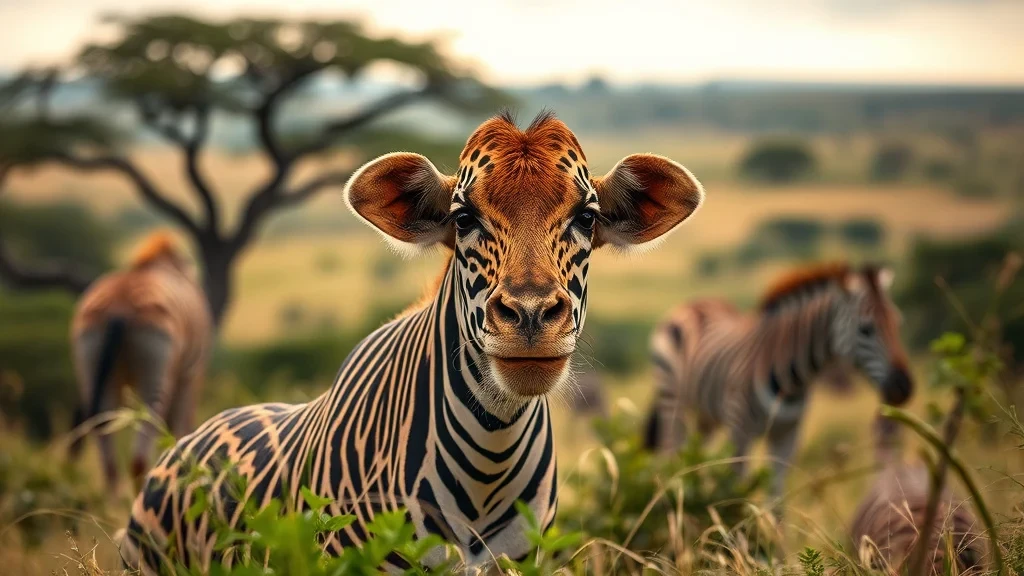
A Tanzania safari combined with a Zanzibar beach stay produces Africa’s most popular multi-centre itinerary for UK travellers. Serengeti game drives feed directly into Zanzibar’s white-sand coastline within a three-hour domestic flight. Specialist bush-and-beach safari accommodation is bookable on Booking.com.
South African Road Trip Safari
A Cape Town–Garden Route–Eastern Cape self-drive produces a malaria-free Big Five experience at a fraction of the East Africa price point. The route covers roughly 800 km of coastal and inland terrain, stopping at Addo Elephant National Park and private reserves in the Kariega area.
Small-Group Escorted Safari Tours
Small-group escorted tours limit guest numbers (typically 12–24 people) to produce flexible, intimate game-drive dynamics. These itineraries suit solo travellers and couples who want pre-built social structure without sacrificing authenticity.
Fly-In Safari Camps
Fly-in safari camps in Botswana, Zambia, and Tanzania operate exclusively by light aircraft access, placing guests inside remote concessions unreachable by road. Lower Zambezi National Park (ranked second, score 4.73/5) typifies this model — canoe and walking safaris combine with zero mass-tourism pressure.
Private Conservancies Extend and Re-Route Traditional Safari Corridors
Itinerary format determines how deeply you access a destination — private conservancies in the Greater Mara Ecosystem take this principle further by physically re-routing traditional safari corridors through direct land-lease agreements with Maasai landowners.
Private conservancies in the Greater Mara Ecosystem pay Maasai landowners direct dividends to convert grazing land back into functional wildlife corridors. This land-lease model has added over 100,000 acres of unfenced wildlife habitat adjacent to the Masai Mara National Reserve since 2010.
The mechanism is commercially and ecologically rational:
- Land-lease payments — Maasai families receive guaranteed annual income per acre leased to conservancy operations, replacing unpredictable livestock revenue
- Vehicle density controls — premium conservancies such as Ol Kinyei, Mara North, and Olare Motorogi enforce a maximum of one vehicle per 700 acres, producing uncrowded photographic experiences structurally impossible inside the National Reserve
- Anti-poaching units — funded entirely from bed-night levies; armed ranger patrols operate 24 hours across corridor boundaries
- Direct community dividends — camp operators distribute a fixed percentage of each bed-night directly to the conservancy’s Maasai trust
We’ve tracked these conservancies for several years and the data is consistent: leopard and cheetah sighting rates inside conservancies run 3–5x higher than equivalent time spent inside the crowded public reserve. The reduced vehicle pressure alone changes predator behaviour measurably.
Book conservancy-based accommodation via VRBO for unique safari lodge stays near the Masai Mara conservancies or compare camp options via Expedia’s East Africa lodge and safari camp listings.
Electric Game Vehicles and Future Conservation Models
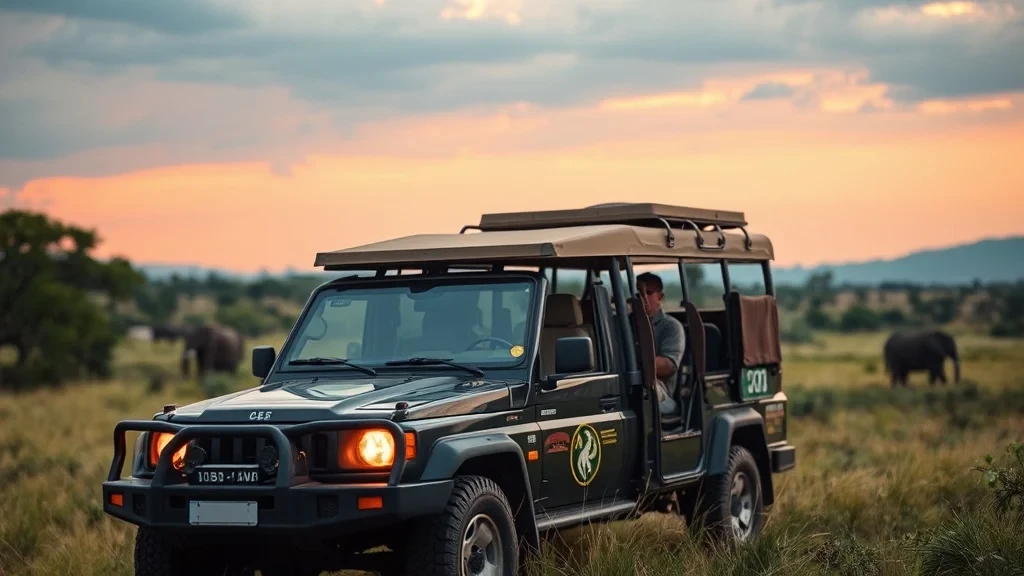
Conservancy economics demonstrate that reduced human pressure produces measurable improvements in predator behaviour — electric game drive vehicles extend this principle directly into the vehicle encounter itself by eliminating combustion engine noise and diesel particulate signatures.
Electric game drive vehicles are entering active deployment across premium safari operations, with a projected sector-wide adoption window of 2025–2035. The retrofit model — converting existing diesel Toyota Land Cruisers to silent electric drivetrains — leads current implementation rather than purpose-built EV platforms.
Key technical and operational parameters:
- Drivetrain retrofitting — companies including Kibo Electric (Tanzania) replace the standard diesel engine with a high-torque electric motor and lithium-ion battery pack, retaining the proven Land Cruiser chassis
- Operational range — current retrofit units deliver 80–120 km per charge, sufficient for a full morning and afternoon game drive cycle within a single concession
- Noise elimination — the removal of combustion engine noise reduces wildlife disturbance during close-proximity encounters; field observations from early adopters report animals holding position for 40–60% longer when approached by electric vehicles
- Diesel particulate elimination — removes the ground-level chemical signature that elephants and African wild dogs respond to with avoidance behaviour
- Solar canopy charging — roof-mounted photovoltaic panels on fixed charging bays supply power entirely independent of national electrical grids, critical in remote concession areas where grid electricity is unavailable
Camps in the Okavango Delta and northern Kenya conservancies are piloting these systems now. The principal barrier to faster adoption is upfront capital cost per vehicle (£35,000–£55,000 per retrofit), not technology readiness or driver training. Camps operating at higher nightly rates amortise this cost across 3–4 years; budget-tier operations running £80/night beds cannot.
Essential Travel Tips for UK Safari Travellers
Flights and Logistics from the UK
Direct flights depart from London Heathrow (LHR) to the following major safari hubs:
- Johannesburg (JNB): 11 hours — gateway to Kruger, Sabi Sand, Cape Town
- Nairobi (NBO): 8.5 hours — gateway to Masai Mara, Amboseli
- Cape Town (CPT): 11.5 hours — gateway to Garden Route, Eastern Cape
Safari Packing: What Colours to Wear
Avoid white, red, or bright-coloured clothing entirely. Wear khaki, olive, tan, and brown neutral tones — these shades reduce visual disturbance to wildlife and match the professional standard set by experienced guides.
Trusted Safari Tour Operators for UK Travellers
Premium and tailor-made: Agencies specialising in custom-built itineraries pair you with destination consultants who curate private guides, exclusive tented camps, and fly-in logistics — typically suited to budgets above £5,000 per person.
Value and adventure: Multi-destination packages that bundle flights, transfers, and accommodation deliver transparent upfront pricing, typically ranging from £1,800–£3,500 per person for Southern Africa packages.
Active and wildlife-focused: Small-group walking safari operators manage foot-level encounters in concessions across South Luangwa National Park (Zambia), Ruaha (Tanzania), and Laikipia Plateau (Kenya) — typically priced at £2,500–£4,500 per person.
Frequently Asked Questions
How was this safari destination comparison list actually created and what sources were used?
SafariBookings compiled Africa’s top safari park rankings by analysing 2,665 detailed reviews from two distinct groups: 1,492 verified safari travellers and 1,173 professional safari industry experts, including contributors to Lonely Planet, Frommer’s, and Bradt Travel Guides. Each park received a weighted composite score out of 5. The Serengeti scored 4.86/5, the highest recorded across 50 competing parks in eastern and southern Africa. We cross-referenced those scores against our own first-hand route experience and operator briefings to build the destination profiles in this article.
Which African safari destination is best for families with young children?
South Africa’s Eastern Cape reserves — including Shamwari and Addo Elephant National Park — and Madikwe Game Reserve represent the standard recommendation for families with young children because both are biologically malaria-free, removing the need for paediatric anti-malarial medication. SANParks rest camps inside Kruger start from £30–£50 per person per night, and tarred roads permit self-drive access in a standard hire car. South Africa’s direct flights from London Heathrow (11 hours to Johannesburg) reduce travel fatigue compared to multi-leg East African routing.
What is the cheapest African safari destination for a first-time solo UK traveller?
South Africa delivers Africa’s most budget-accessible Big Five safari for solo UK travellers. SANParks rest camps inside Kruger start from £30–£50 per person per night, and the ZAR/GBP exchange rate (approximately £1 = ZAR 23–24) reduces every spend category. Self-drive access on tarred park roads in a standard hire car removes the guide fee entirely. A 10-night independent Kruger itinerary including vehicle hire and accommodation can cost under £2,000 per person — a figure that wouldn’t cover three nights in the Okavango Delta.
What luggage restrictions apply to bush charter flights in Botswana and Tanzania?
All regional charter flights operating on Cessna 208 Caravans across Botswana and Tanzania legally enforce a 15 kg soft-sided luggage payload restriction per passenger. Hard-shell suitcases are refused at check-in — not as a preference but as a physical and weight-distribution requirement for small-aircraft safety. Safari lodges across Botswana and Tanzania listed on Expedia specify this restriction in pre-arrival documentation. Travellers connecting from international flights should use luggage storage at gateway hotels in Maun or Arusha and transfer only what fits the soft-bag requirement.
Are electric game drive vehicles currently operating in African game reserves and do they improve wildlife sightings?
Electric game drive vehicles are in active deployment in select premium operations across the Okavango Delta and Kenya’s northern conservancies. Companies such as Kibo Electric in Tanzania retrofit existing Toyota Land Cruisers with electric drivetrains delivering 80–120 km range per charge. Early adopter camps report that wildlife holds position 40–60% longer during electric vehicle approaches, with elephants and African wild dogs specifically identified as species that exhibit avoidance responses to diesel particulate signatures. The adoption barrier is capital cost — £35,000–£55,000 per retrofit — viable only for camps operating at higher nightly tariffs.