Great Kenya Safari Tours in the Maasai Mara
The Maasai Mara National Reserve dominates East Africa as a premier wildlife destination. Narok County administers this vast savanna habitat, while the Kenya Wildlife Service manages the overarching national protocols. Spanning 1,510 square kilometres, the primary reserve operates distinctly from the surrounding private conservancies. I have spent years traversing this terrain, observing its unique geography firsthand. Grasping the core definition of this reserve requires a detailed look at its exact geographical placement within the broader East African territory. I personally review these top Great Kenya Safari Tours, focusing on verified wildlife migrations, authentic lodge properties, and accurate biological data.
Geography and Topography of the Reserve
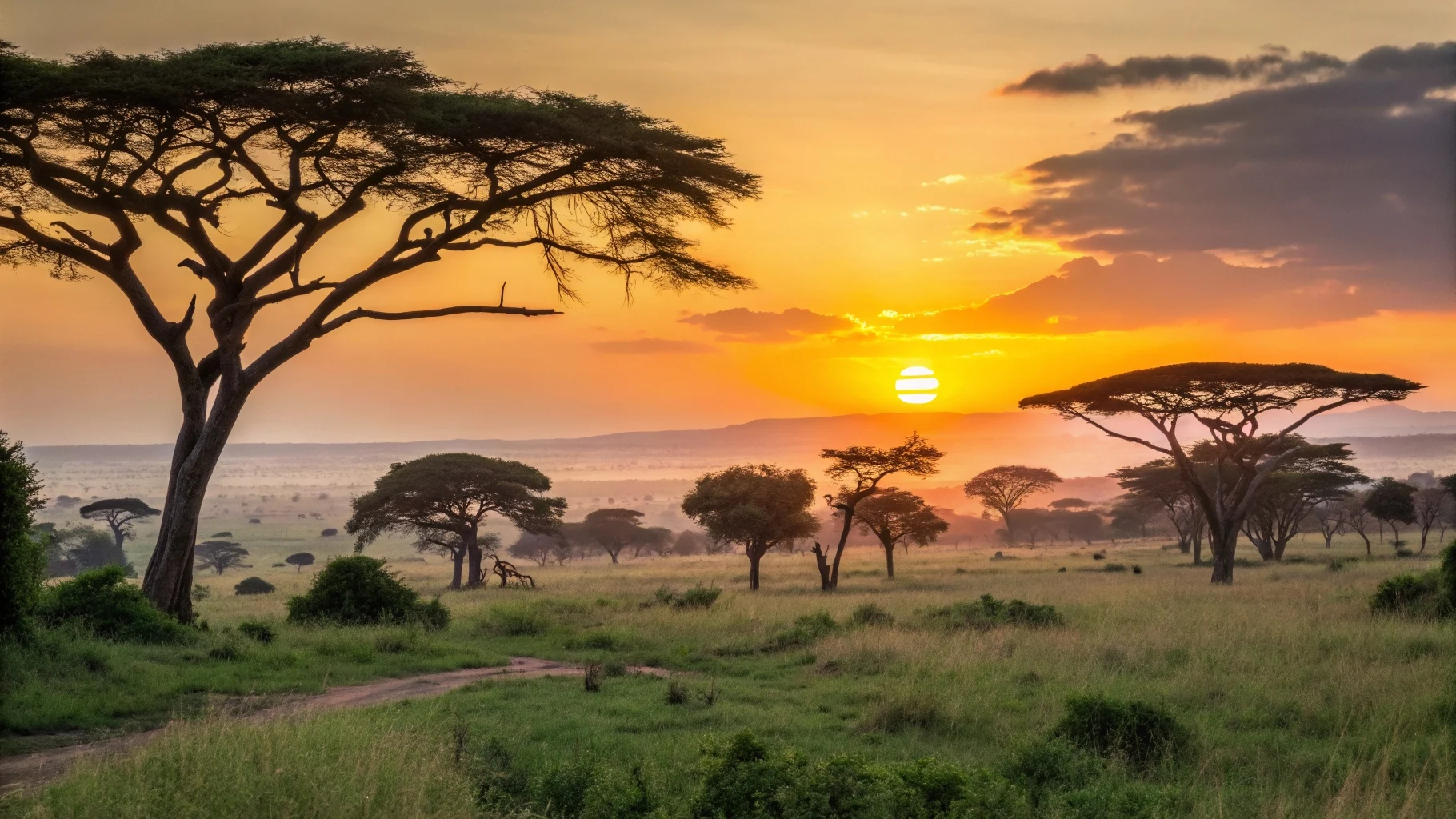
The Maasai Mara occupies the southwestern corner of Kenya along the Great Rift Valley, bordering Tanzania. I frequently advise travelers that mapping this region requires understanding its specific boundaries: the Loita Hills to the east and the Oloololo Escarpment to the west. Spatial awareness directly impacts your daily wildlife sightings. Open grassland plains dominate the Mara topography, punctuated by seasonal rivulets and acacia trees. You will immediately notice the defining Oloololo Escarpment towering over the western edge. Rainfall dictates the flow of these seasonal rivers, directly controlling animal movements.
Connecting to the Serengeti
The Mara directly abuts the Serengeti National Park, forming a contiguous transboundary habitat. This unbroken corridor allows massive mammalian herds to move freely between Kenya and Tanzania. The uninterrupted connection across these international borders supplies the necessary grazing grounds for dense, highly active wildlife populations.
The Wildlife of the Maasai Mara
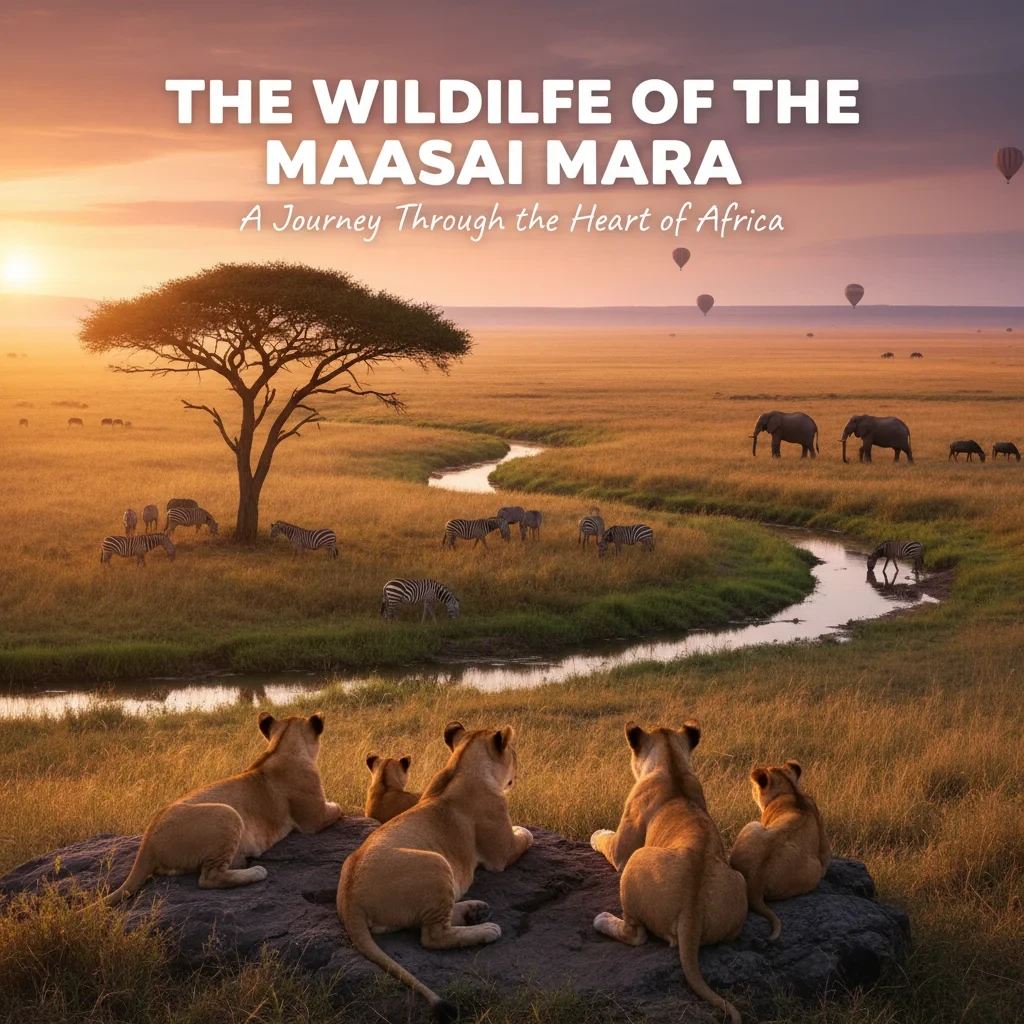
Intense predator-prey dynamics drive biodiversity across the Mara plains. The Big Five—African lions, African leopards, African bush elephants, Cape buffalo, and black rhinos—form the apex of the local mammalian hierarchy. Cheetahs, Thomson’s gazelles, and Maasai giraffes share these plains. Wildlife biologists continually record massive herds moving through this corridor, confirming its status as a primary predator habitat. I am not completely sure of the exact number of lions hiding in that tall grass today, but the 2017 census officially recorded 2,493 elephants stomping around the area.
Observing the Big Five
Different species occupy highly specific micro-habitats within the reserve. Leopards favor the dense riverine forests, concealing themselves in the branches during daylight hours. African lions patrol the open plains, utilizing the tall grass for ambush tactics. You must target the correct vegetation zones if you want to find specific mammals. I usually track rhinos near dense thickets, as they prefer the cover those shrubs provide.
Avian Biodiversity
Avian biodiversity attracts birdwatchers globally, targeting several primary species. The Lilac-breasted Roller frequently perches on exposed branches, displaying vivid plumage. The Kori Bustard and Secretary Bird stalk insects and reptiles through the short grass.
Fascinating Fact: You can spot over 470 distinct avian varieties in the region, a statistic confirmed when reading facts regarding the diverse bird species found across the reserve [1].
The Mechanics of the Great Wildebeest Migration
Rainfall patterns control the biological mechanics of the world’s largest overland migration. Blue wildebeest and plains zebras follow the shifting weather, searching for fresh pasture. I constantly study the exact Wildebeest Migration climate and pasture routes to predict herd movements accurately. The Mara River acts as the ultimate barrier, filled with waiting crocodiles.
Interesting Fact: The Great Migration involves roughly 1.5 million wildebeest, 200,000 zebras, and hundreds of thousands of gazelles marching across 1,800 miles of terrain every single year.
River Crossings and Safari Timing
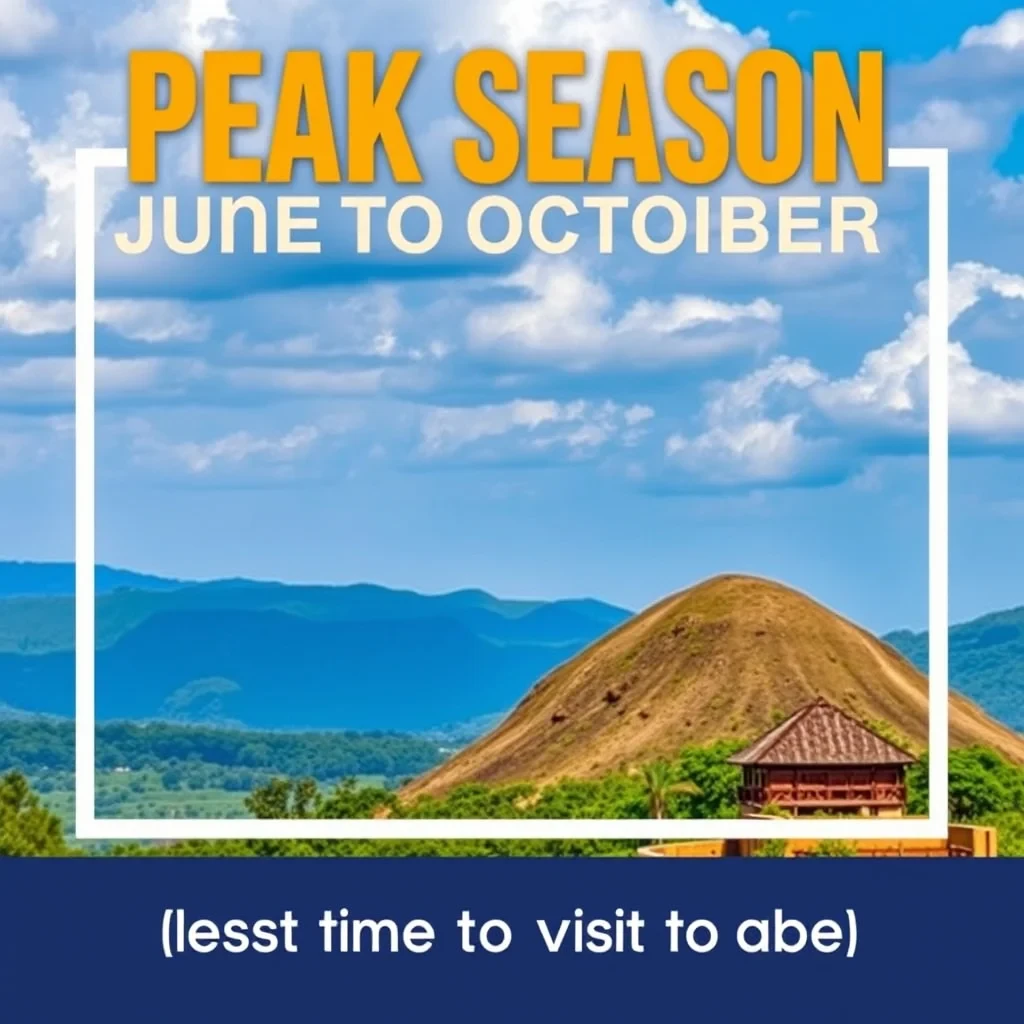
Precipitation determines the crossing timeline between July and October. The herds mass along the banks before plunging into the treacherous waters. You must plan your visit during these months if you want to witness this specific event. Regional guides confirm that understanding information on what the name Masai Mara means [2]—which translates to “spotted” plains—helps visualize how millions of animals suddenly “spot” the terrain. The sheer volume of migrating prey triggers an explosion of predator activity. Travelers book their trips around this cycle to maximize action-packed sightings. You will notice increased competition for vehicles and guides during these peak weeks.
Types of Safari Experiences Available
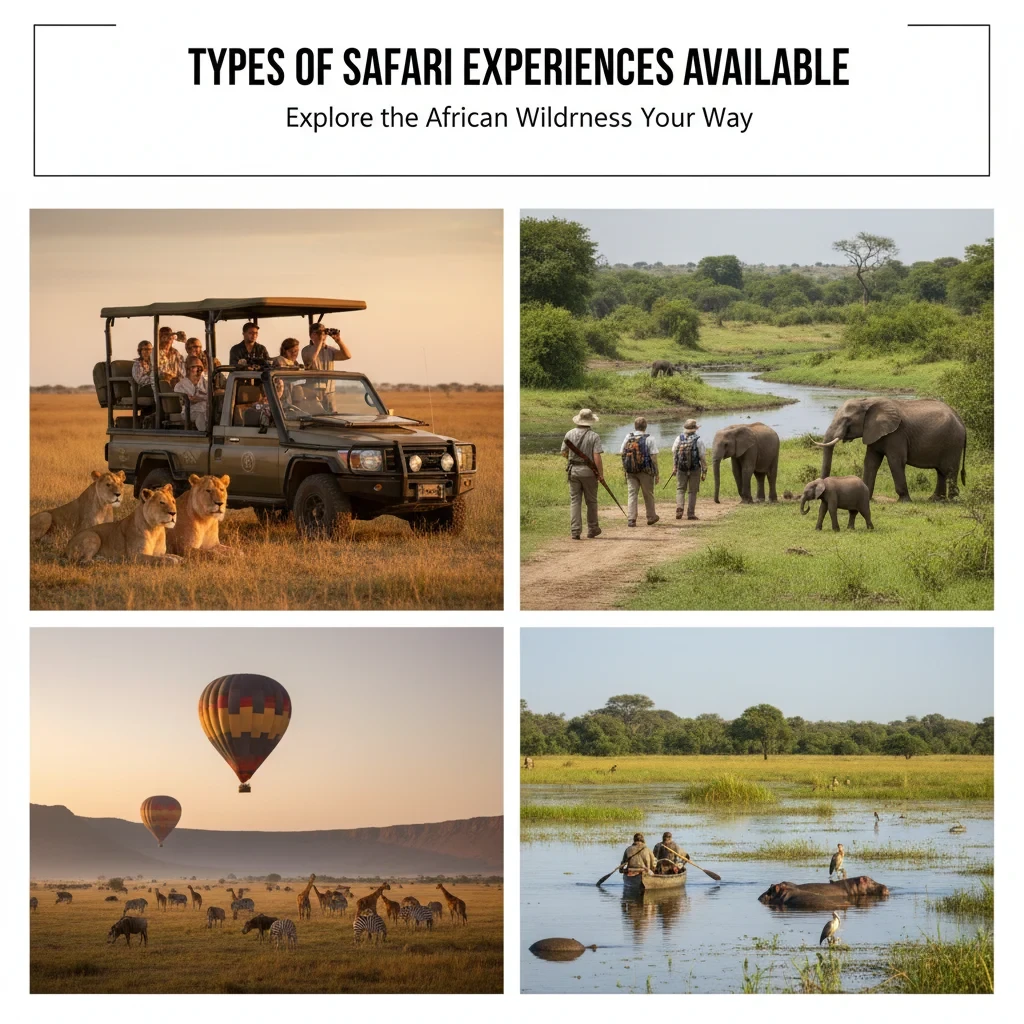
Personal preference and budget dictate the operational modes for viewing wildlife. Standard heavy-duty four-wheel-drive Land Cruisers dominate the dirt tracks, while Maasai guides lead specialized walking tours. Hot air balloons provide a completely different aerial perspective.
Game Drives vs. Hot Air Balloons
Operators divide daily vehicle patrols into early morning, late afternoon, and full-day excursions. Dawn drives capitalize on active predators returning from night hunts. Afternoon drives catch the wildlife heading toward water sources as the heat breaks. You should choose full-day options with packed lunches if you want to reach distant borders. Conversely, a floating balloon basket offers a silent, panoramic view impossible to achieve from a vehicle. Operators handle launch logistics before dawn, taking off just as the sun breaks the horizon. The flight typically concludes with a traditional champagne breakfast served directly on the plains. I find this aerial view completely shifts my understanding of the sheer scale of the herds.
Walking Tours with Maasai Guides
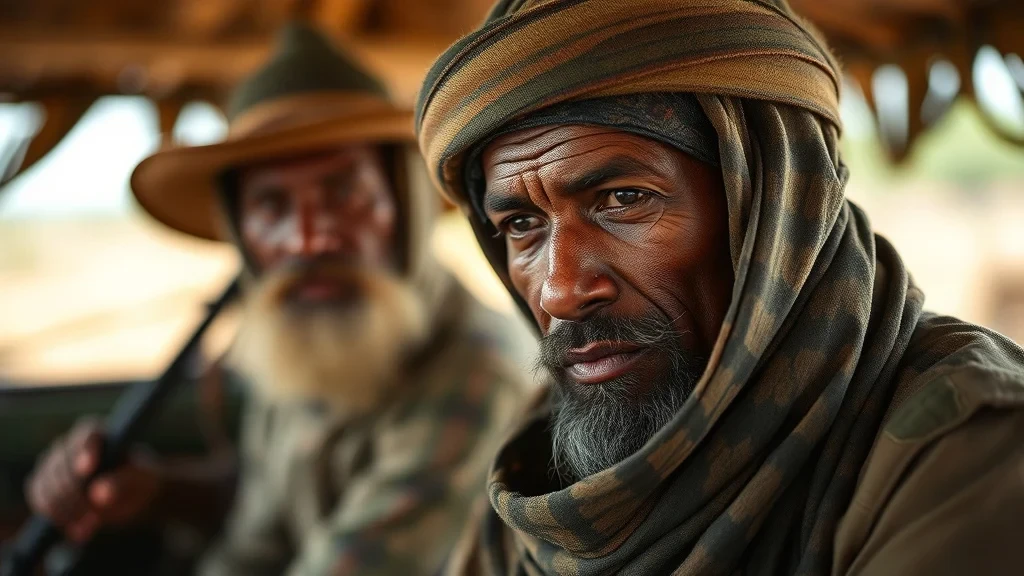
Tracking animals on foot shifts the focus to micro-details like tracks, dung, and insect life. You must conduct these tours within the adjacent private conservancies because the primary national reserve prohibits walking. Indigenous Maasai guides rely on their generational knowledge to keep participants safe while reading the bush. Guides develop tracking skills daily to maximize sighting performance and increase general safety for all guests.
Managing Travel Logistics and Costs
Light aircraft and battered dirt roads handle the local transport infrastructure. Jomo Kenyatta International Airport serves as the primary international gateway, while Wilson Airport handles the domestic bush flights. Safarilink and Airkenya run daily scheduled drops.
Flights and Overland Routes
Specific dirt strips like Keekorok, Ol Kiombo, and Musiara receive light aircraft daily. Your chosen lodge dictates which airstrip you use, as they pick you up directly from the runway. Flying cuts a gruelling drive down to a quick 45-minute scenic route. To bundle these logistics, arranging a full flight and hotel package from London [13] simplifies the entire process. If you prefer handling the hotel separately, searching for reliable Nairobi layover hotel accommodations [14] makes the transit much smoother. If driving, the Mai Mahiu route requires five to six hours from Nairobi through Narok town. The final stretch toward gates like Sekenani or Oloololo involves severe corrugations that will aggressively test your spine.
Park Fees and Financial Metrics
Travellers balance seasonality effects, accommodation levels, and transport choices when budgeting. Supply-and-demand economics control the pricing shifts between the Great Migration in July to October and the long rains in April to May. Operators inflate rates when the herds arrive because every bed fills instantly. You will secure massive discounts if you travel during the wet months. Authorities implement tiered pricing structures separating international tourists, East African residents, and local citizens. You must pay these tariffs daily, and they fund the anti-poaching units and local community initiatives. I have noticed these rates fluctuate yearly.
Regulations and Conservation Efforts
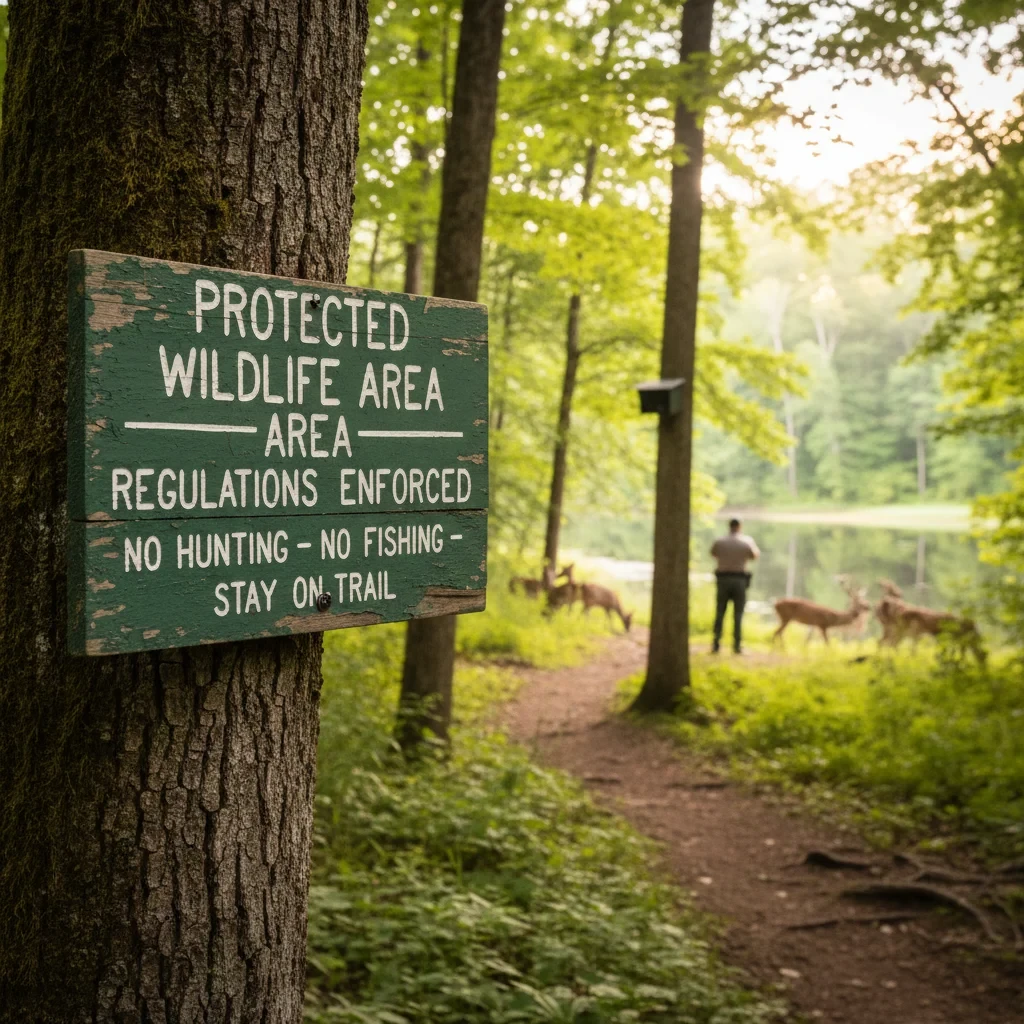
The Narok County Government enforces legal constraints and environmental protection rules across the property. The Maasai Mara Management Plan dictates everything from entry times to tourist behavior. You cannot bend these rules; rangers patrol constantly.
Off-Road Rules and Human-Wildlife Dynamics
Vehicles staying on designated tracks prevent massive soil erosion and protect ground-nesting birds. Rangers issue heavy fines or immediate park evictions to drivers caught harassing predators or crushing vegetation. You will respect the habitat if you want to remain inside the gates. Beyond the park borders, expanding agricultural land overtakes historic predator territories. Lions frequently kill domestic livestock, prompting retaliatory spearings by herdsmen. Managing this friction requires compensating farmers for their losses to stop the killings. Over-tourism and aggressive pastoralism strain the available resources. You can verify the scale of these protected lands by reviewing facts about the size and biosphere of the Maasai Mara National Reserve [18].
Sustainable Practices and Climate Change
Global warming directly skews the historical rainfall patterns across East Africa. Erratic precipitation causes prolonged droughts, heavily affecting the timing of the annual migration. Scientific data predicts that shifting rain cycles will force lodges to adapt their scheduling and infrastructure to survive in the future. Forward-thinking camps completely remove single-use plastics from their operations. Solar arrays now power off-grid lodges, replacing noisy diesel generators. Operators push three main objectives:
- Implement strict plastic bans.
- Build solar-powered arrays.
- Finance community-owned leases.
My Expert Lodge Review: Where to Stay
I evaluate accommodations based on proximity to the Mara River crossings and access to the migrating wildebeest. I analyze the premier safari lodges to verify which ones actually deliver without the marketing fluff. Local hospitality infrastructure provides everything from rustic mobile tents to permanent luxury lodges. The zoning laws differ immensely between the main reserve and the private buffer zones like Mara North, Olare Motorogi, and Naboisho.
Main Reserve Accommodations vs. Private Conservancies
Canvas-based mobile units leave a low environmental footprint and offer a closer auditory connection to the bush. Permanent concrete structures provide traditional hotel comforts like thick walls and air conditioning. I personally favor the canvas option because hearing a lion roar through a thin tent wall permanently changes your perspective. Leasing land from local communities creates exclusive zones with strict vehicle limits. The conservancies permit off-road driving and night game drives, actions entirely banned inside the main boundaries. You get a much more private viewing session when fewer jeeps crowd around a leopard sighting. The complete guide to Masai Mara Private Conservancies explains why these exclusive areas offer better sightings.
High-Demand Lodges and Tented Camps
The Maasai Mara hosts several highly sought-after lodging options with exceptional guest ratings. I track the occupancy rates to determine which camps deliver the best value.
- Talek Region: Olkinyei Mara Tented Camp attracts numerous guests seeking authentic bush experiences directly in the Talek sector. Enjoying the incredible wildlife views from Talek Olkinyei Camps [3] provides an exceptional stay, and I appreciate the canvas walls separating me from the roaring lions at night. Mara Leisure Camp occupies prime real estate along the Talek River on the Northern Boundary, guaranteeing consistent leopard sightings. Kobe Mara provides boutique accommodations right in the Talek region with high-quality dining options. The chefs prepare unexpectedly good meals considering the remote location. I suggest securing the comfortable Kobe Mara luxury tented camp accommodations or simply relaxing in the lush gardens at Kobe Mara [6] if you prefer a quieter, more intimate safari setting.
- Riverfront Access: If you prefer proximity to the water, experiencing the riverfront access at Mara Intrepids Tented Camp [5] delivers immediate sightings. Mara River Camp borders the North West boundary overlooking the Mara River. I stayed near this specific bend in the river, watching the muddy water flow past the property line. Some travelers prefer smaller footprints, perhaps reserving a quiet, intimate tent at Mara River Camp [9]. Ashnil Mara Camp occupies land directly inside the reserve overlooking the exact river section where the famous wildebeest migration happens. Mara Crossing Camp features family tents and standard double rooms with direct river views and full bathrooms. You can watch hippos splash in the water right from your private veranda.
- Elevated and Exotic Options: Mara Serena Safari Lodge dominates a hill overlooking the savanna plains to provide panoramic viewing angles. Booking a structured stay at Mara Serena Safari Lodge [4] offers a higher vantage point. I constantly recommend booking the exceptional Mara Serena Safari Lodge rooms whenever visitors want elevated views of the migration. Other fantastic options include staying among the exotic trees at Sarova Mara Game Camp [8]. Olaloi Mara Camp provides personalized services deep inside the territory. Guides here know every leopard’s hiding spot, which makes the highly rated Olaloi Mara Camp overnight stays and waking up to river views at Olaloi Mara Camp [7] highly desirable. Jambo Mara Safari Lodge operates facilities within the boundaries featuring private parking and reliable connectivity.
- Budget Management: For strict budget management, checking availability and pricing for Kipepeo Camp [10] makes planning easier. You might also consider finding your perfect getaway at the Bush Maradise lodge [11] or reviewing the alternative Bush Maradise availability dates [12].
Bundled Packages and Flight Deals
Aviation companies partner with specific lodges to package your transportation and sleeping arrangements together. I evaluate these combined itineraries to spot the real bargains.
- Sometimes you find brilliant deals, like securing a room at the comfortable Ripo Wild Safaris [15], which bundles luxury tent accommodations with return flights from major hubs.
- You might try reserving your space at Ol Moran Tented Camp [16].
- Eco Mara Tented Camp offers double rooms featuring dedicated workspaces and in-room dining services. I cannot fathom flying all the way to Africa to check spreadsheets, but you have the option.
- Saruni Wild provides luxury tents equipped with premium bed sheets after your inbound flight, along with an excellent outdoor dining setup.
- Soroi Mara Bush Camp coordinates stays alongside return flights to Nairobi, structuring logistics to minimize your waiting time at the airstrips. I respect a management team that values punctuality in the middle of the bush.
Luxury Accommodations
Several high-end properties dominate the luxury market within the Greater Mara biological region. I inspect these elite camps to verify their claims. The data confirms the sheer scale of the Great Wildebeest Migration details, making these premium locations highly desirable.
- Those wanting absolute opulence often lean towards booking the premium Enchipai Mara Luxury Camp suites [17].
- Entumoto Safari Camp boasts an outdoor pool lined with comfortable loungers and spacious family tents featuring private terraces.
- Kandili Camps serves local and international cuisine. The standard tents feature functional desks and crisp bed sheets, paired with excellent game-viewing platforms.
- Mara Major Camp decorates each unit individually with premium bedding, down duvets, and memory-foam beds.
- Basecamp Masai Mara includes a dedicated sun deck and formal meeting facilities.
- Mara Engai Wilderness Lodge serves international cuisine on private patios overlooking the territory, with premium tents featuring elevated decks.
You maximize your safari experience by following these daily habits:
- Pack reliable binocular gear.
- Drink sufficient bottled water.
- Wear neutral clothing colors.
- Trust experienced Maasai guides.
My Answers to Your Questions

Do I need a 4×4 to visit?
You absolutely require a heavy-duty four-wheel-drive vehicle to traverse the rutted dirt tracks, especially after heavy rainfall.
Are the private conservancies better than the main reserve?
They offer distinct advantages like off-road driving and fewer crowds, but the main reserve contains the actual Mara River crossing points. You decide your priority.
Is it safe to sleep in a canvas tent?
Maasai guards patrol the perimeters all night, providing a safe barrier between you and the nocturnal predators roaming the grounds.
How many lodges operate in the Maasai Mara National Reserve?
Dozens of established lodges operate active campsites within the official reserve boundaries and the surrounding private conservancies. I personally count over 50 reliable options ranging from basic tents to hyper-luxury suites. You will find availability depending on the specific season you choose to visit.
Do booking platforms offer free cancellation for Maasai Mara lodges?
Many property managers allow free cancellation if you modify your reservation well in advance. I always read the fine print because policies change drastically during the peak migration months of July and August. You forfeit your deposit if you cancel at the last minute during the busy season.
Why should you book a specific Maasai Mara lodge?
You book a lodge based on its proximity to the main river crossing points and the density of the surrounding wildlife. I prioritize location over luxury every single time. A basic tent near the Talek River beats a golden palace located two hours away from the animals.
How do seasonal changes affect lodge availability?
The massive herds fill the lodges to maximum capacity between July and October. I suggest securing your room a year in advance if you want to witness the river crossings. The camps sit mostly empty during the heavy rains in April and May.
Which Maasai Mara lodges cater to family groups?
Camps like Entumoto Safari Camp provide connected family tents and dedicated swimming pools for younger guests. I notice that properties with enclosed perimeters work best for keeping small children safe from roaming predators. You avoid unnecessary stress by choosing a fenced lodge.
What defines the absolute best lodges in the reserve?
The top-tier lodges employ local Maasai guides who understand the terrain better than anyone else. I evaluate a camp entirely on the quality of its tracking staff. The fanciest bed sheets matter very little if your driver cannot find a lion.
Which properties suit couples seeking privacy?
Boutique camps offering fewer than ten tents provide the isolation most couples want. I recommend looking at properties in the private conservancies rather than the main public reserve. You get private dining experiences without twenty other vehicles crowding your sunset view.
What specific lodges offer the greatest scenic views?
Lodges positioned on the Oloololo Escarpment command spectacular views across the entire Mara basin. I stood on the deck at Mara Serena Safari Lodge and saw the plains stretching out for miles. You literally watch the weather changing across the savanna from that elevation point.