Why Choose South Africa for a Wildlife Safari: A Complete Tourism Analysis
South Africa dominates the African tourism market because the country combines high-density animal populations with world-class hospitality infrastructure. Visitors observe megafauna across distinct geographic zones without sacrificing medical safety or travel convenience. The Republic of South Africa welcomes millions of international tourists annually, generating billions in revenue while supporting massive conservation efforts across public and private lands.
What Defines the South African Safari Environment?
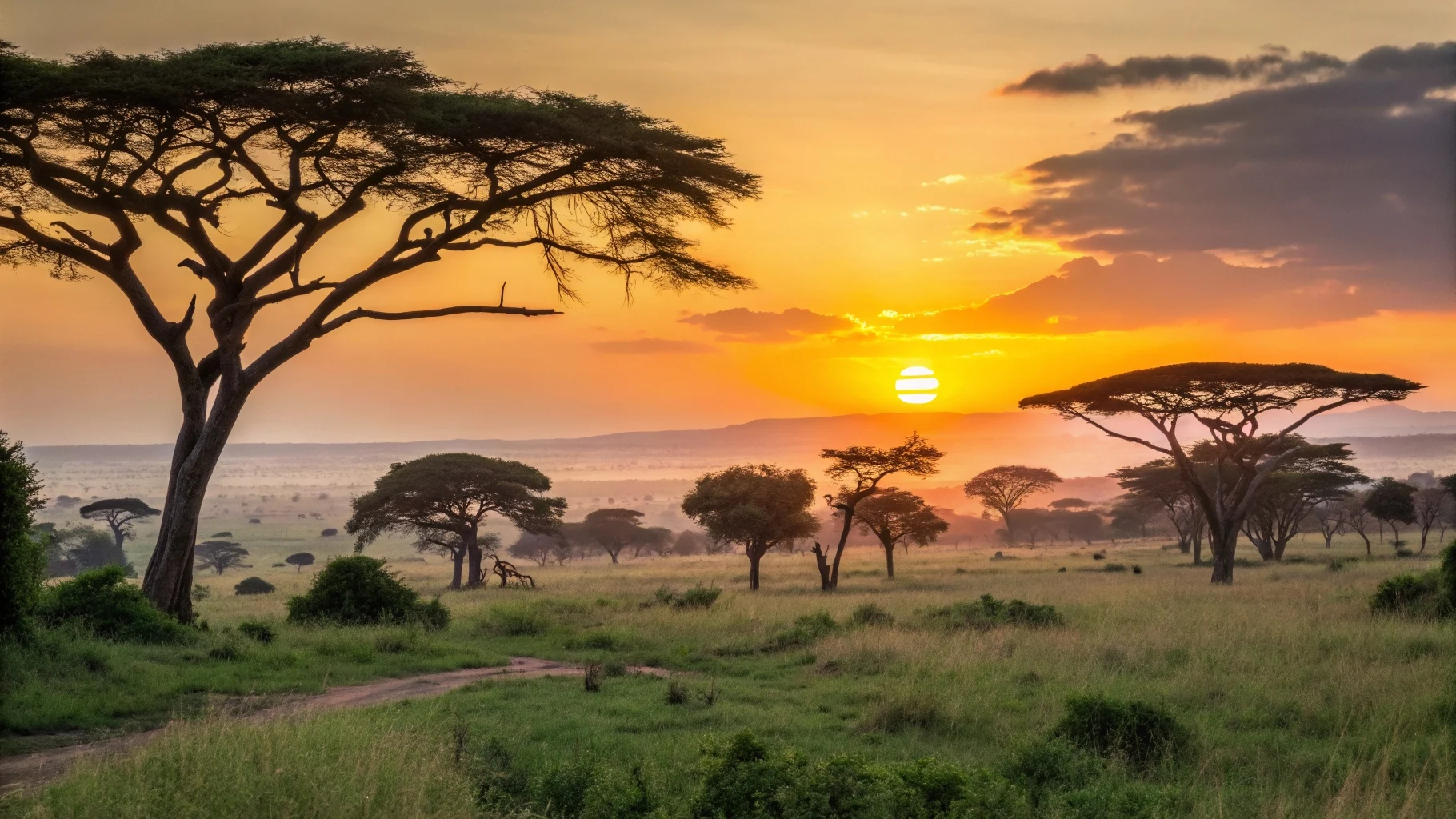
The physical environment directly dictates the viewing experience across various biomes. Geography, climate, and topography create distinct regions supporting specific flora and fauna combinations.
How Does South Africa Compare to Other African Safari Destinations?
South Africa operates predominantly through fenced reserves with established road networks, whereas East African countries rely on open-migration plains. Fenced boundaries create permanent resident animal populations. Visitors secure year-round sightings without tracking seasonal migration patterns. High-quality infrastructure allows reliable vehicle access across most major reserves.
Which Ecological Biomes Support South African Wildlife?
Three distinct biological zones facilitate extreme animal density across the country. The Savannah Biome provides extensive bushveld for large herbivores. The Albany Thicket supports massive elephant herds through dense vegetation. The Fynbos region enables unique coastal eco-safaris. Vegetation density dictates the carrying capacity for each specific region, controlling predator and prey numbers.
Which Primary Geographic Regions Host South African Safaris?
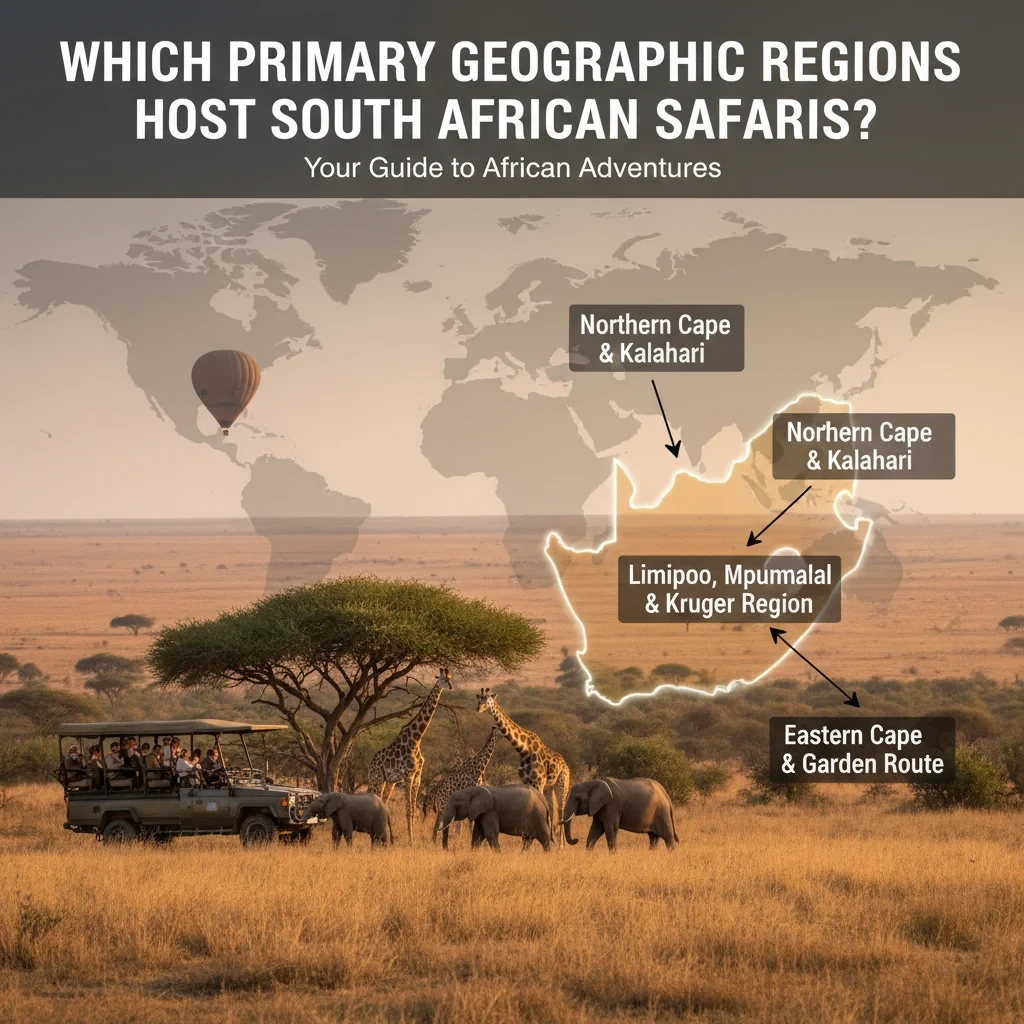
Specific geographic territories contain the highest concentration of commercial wildlife operations. The Lowveld and the Eastern Cape represent the primary destinations for international arrivals.
What Distinguishes the Greater Kruger National Park Habitat?
The Greater Kruger region encompasses nearly two million hectares of unfenced wilderness in the Mpumalanga and Limpopo provinces. Private reserves like Sabi Sands, Timbavati, and Klaserie share open borders with the national park, allowing free animal movement. Reading A guide to Kruger National Park, South Africa details the vast scale of this territory, which houses the largest concentration of apex predators in the southern hemisphere.
Which Reserves Offer Malaria-Free Safari Environments?
The Eastern Cape and North West Province host completely malaria-free reserves, protecting visitors from mosquito-borne diseases. Travellers seeking medical safety select destinations like Addo Elephant National Park, Madikwe Game Reserve, and Pilanesberg. Travel advisors emphasise that Best Malaria-Free Safaris in South Africa including Madikwe and Waterberg provide exceptional Big Five sightings without requiring prophylactic medication.
What Wildlife Entities Can Tourists Track in South Africa?
Biological diversity represents the primary motivation for international travel to the region. The country protects vast populations of apex predators, large mammals, and rare avifauna.
Where Do Trackers Locate the Big Five Animals?
Field guides locate the African lion, leopard, African elephant, Cape buffalo, and rhinoceros by tracking their specific habitat preferences. Leopards hunt within the riverine forests of the Sabi Sand. Elephants dominate the dense thickets of the Eastern Cape. White rhinos graze upon the open savannah grasslands. Understanding territorial behaviour allows operators to guarantee consistent sightings.
Which Endemic Bird Species Inhabit South African Reserves?
Specialist birding safaris target the Lilac-breasted Roller, Southern Yellow-billed Hornbill, and the endangered African Penguin. Coastal reserves provide access to marine avifauna, while the northern bushveld supports massive raptor populations. Guides use specialised auditory tracking techniques to locate rare species hidden within dense tree canopies.
How Do Safari Operations and Mechanics Function?
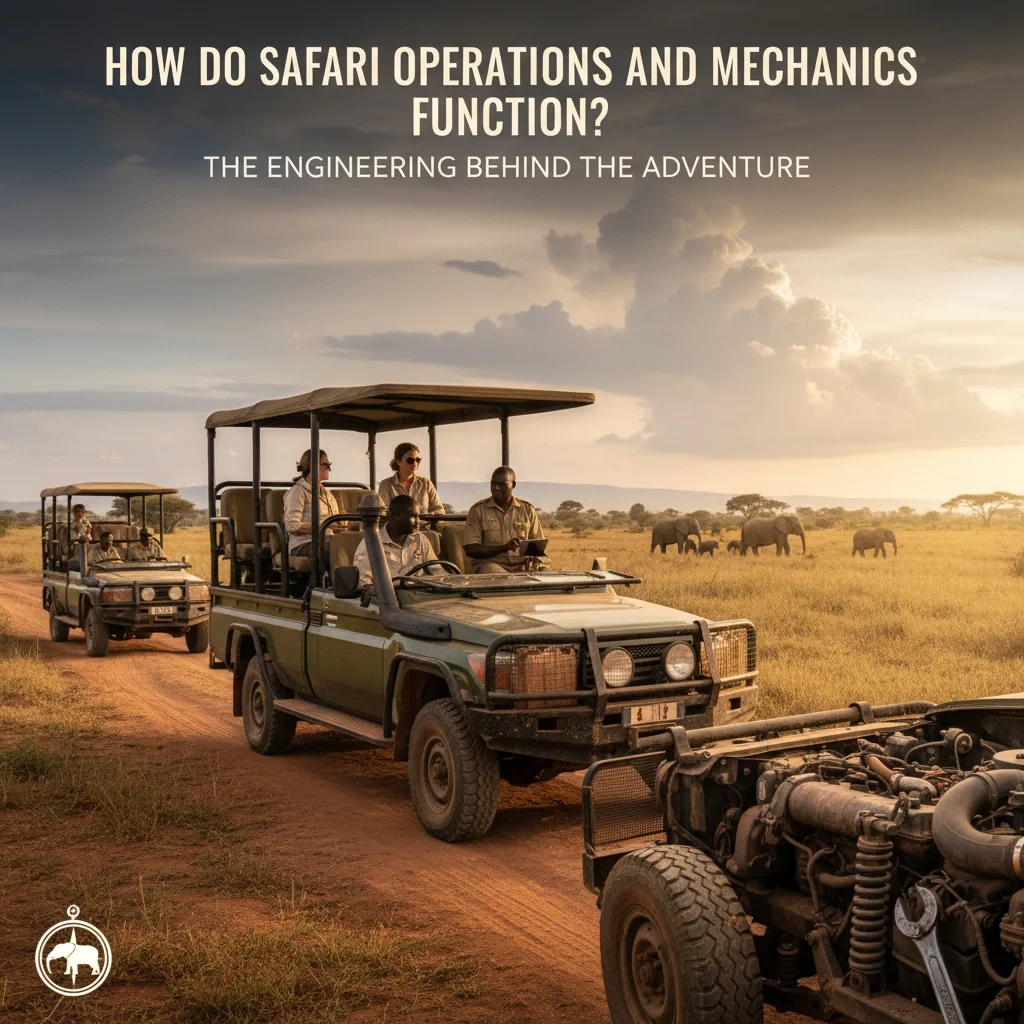
Operational mechanics define the daily routine for guests staying within the reserves. Tour operators structure excursions around peak animal activity periods.
What Are the Operational Differences Between Private Game Reserves and National Parks?
Private concessions grant exclusive off-road 4×4 traversing rights to their guests, whereas South African National Parks (SANParks) restrict visitors to driving on tarred or public gravel roads. Private lodges limit vehicle numbers at sightings, reducing overcrowding. State-run parks offer greater financial accessibility for domestic travellers and self-drive enthusiasts.
| Feature | Private Game Reserves | National Parks (SANParks) |
|---|---|---|
| Vehicle Access | Off-road 4×4 permitted | Restricted to tarred roads |
| Guest Volume | Highly restricted numbers | High daily gate quotas |
| Guiding | Professional rangers included | Self-drive or group tours |
| Budget Tier | Premium to ultra-luxury | Budget to mid-range |
How Do Field Guides and Trackers Execute Daily Game Drives?
Field personnel execute dawn and dusk game drives to align with crepuscular animal movement. Trackers read fresh spoor in the dirt while sitting on the front of the vehicle. Guides communicate via VHF radios, coordinating vehicle positioning to share sightings without causing distress to the animals.
What Infrastructure and Tools Support South African Safari Tourism?
Physical structures and logistical networks enable safe access to remote wilderness areas. The country maintains superior domestic flight and road networks compared to neighbouring nations.
What Accommodation Types Exist Across the South African Safari Map?
The accommodation hierarchy ranges from basic SANParks rest camps to ultra-luxury private lodges. Budget travellers book bungalows and campsites within national parks. High-net-worth individuals secure exclusive suites at ultra-luxury lodges like Singita and Londolozi.
Primary lodging categories include:
Which Transport Networks Connect Major Airports to Remote Safari Lodges?
Logistical operators connect O.R. Tambo International Airport and Cape Town International Airport directly to regional airstrips like Skukuza and Hoedspruit. Federal Airlines operates daily charter flights into private reserve landing strips. Ground transportation companies run overland transfers, bringing guests straight to the lodge reception areas.
What Regulatory and Conservation Frameworks Protect the Biological Networks?
Strict governmental regulations protect the national biodiversity from over-tourism and poaching. Conservation authorities enforce heavy penalties for environmental violations.
How Does the South African National Parks (SANParks) Authority Regulate Visitor Activity?
SANParks authorities enforce gate quotas, speed limits, and strict “stay in vehicle” mandates to protect both animal populations and human life. Rangers patrol the road networks, issuing fines for speeding or off-road driving. These baseline rules maintain habitat integrity across millions of hectares.
What Anti-Poaching Technologies Protect Endangered Rhino Populations?
Security units deploy thermal imaging, K9 tracking units, and aerial surveillance drones to combat illegal rhino horn syndicates. Conservation teams monitor high-risk zones constantly. These advanced security operations drain financial resources, forcing lodges to apply daily conservation levies to guest invoices.
Which Budget Metrics and Seasonal Factors Affect Safari Planning?
Financial calculations and climatic conditions dictate the success of any travel itinerary. Visitors must align their budgets with the appropriate seasonal weather patterns.
How Do Pricing Tiers Structure the South African Safari Market?
Accommodation rates, conservation levies, and transport costs form the primary financial inputs for travel planning. Luxury lodges quote fully inclusive rates in ZAR or USD, covering meals, drinks, and activities. Self-catering models within national parks reduce costs drastically. Recent financial analysis shows South Africa Safari Tourism Market Size and Outlook expanding rapidly, with the sector generating USD 4.39 billion in 2025 as international demand for high-end experiences increases.
Which Months Provide Peak Visibility for Wildlife Tracking?
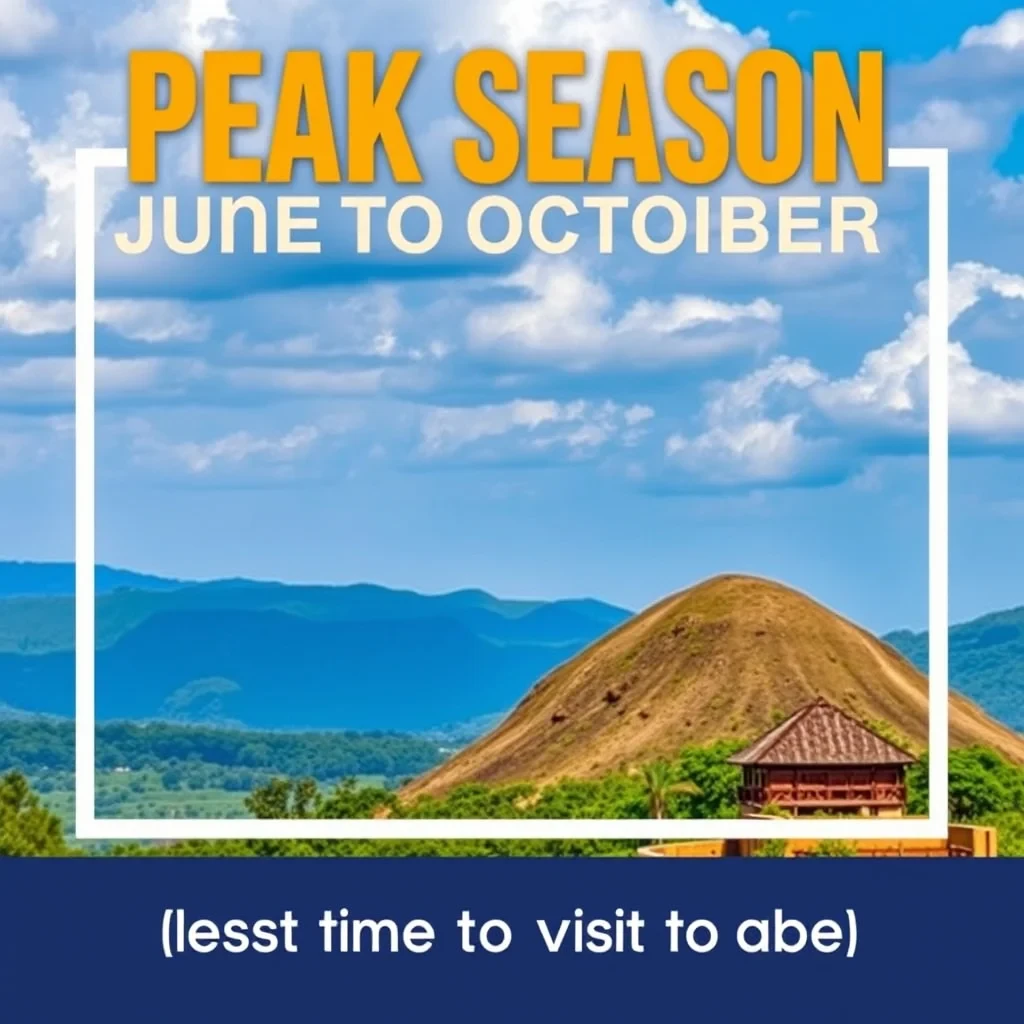
The dry winter months from May to September reduce foliage and concentrate animal populations around permanent water sources. The lack of surface water forces herds to congregate at rivers and boreholes, creating predictable viewing opportunities. Reviewing the Top advice for a malaria-free safari in South Africa confirms that cooler temperatures also eliminate mosquito activity in specific provinces. Guests must book luxury lodges twelve months in advance if they want a suite during the peak winter season.
What Challenges Affect South African Safaris and How Do Operators Solve Them?
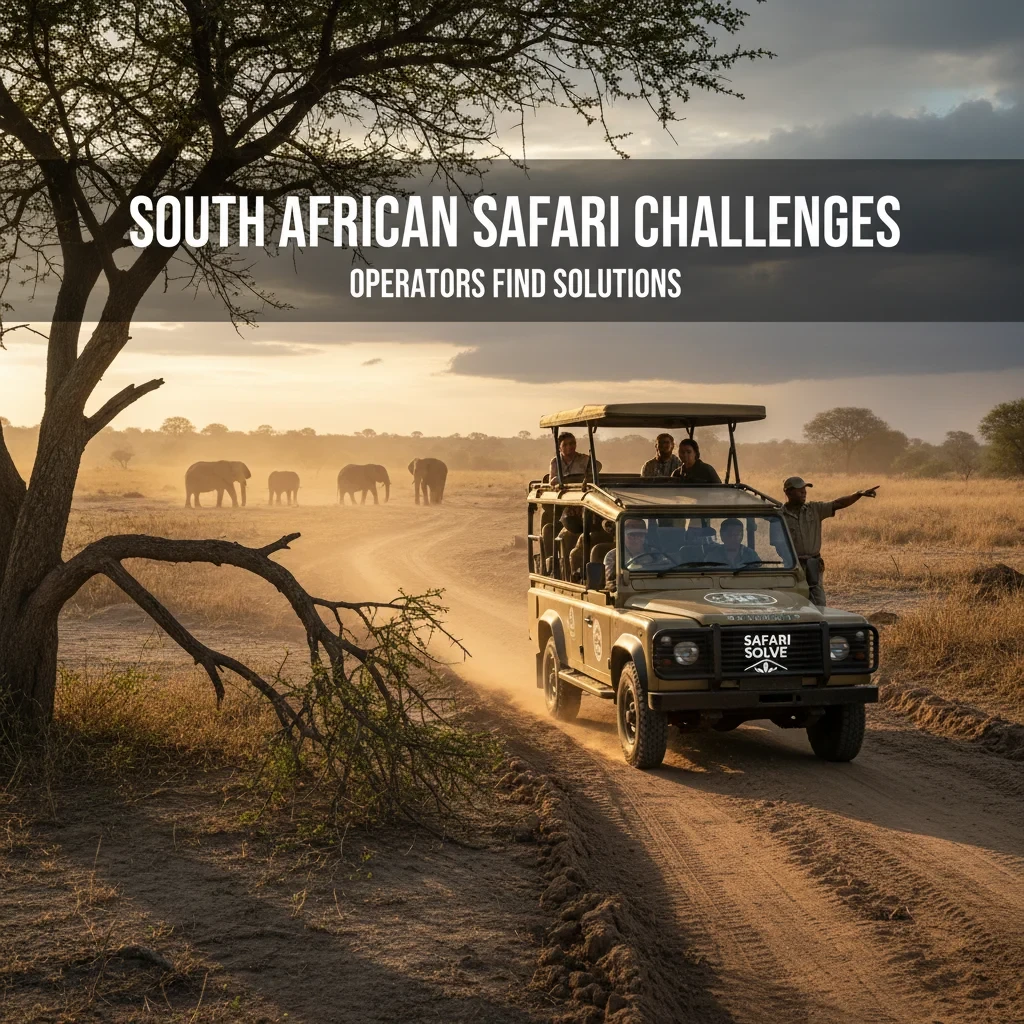
National infrastructure constraints create operational hurdles for remote wilderness lodges. Hospitality groups implement independent solutions to maintain service standards.
How Do Lodges Manage Power Supply Reliability During Load Shedding?
Luxury lodges bypass the national energy grid constraints by implementing off-grid solar arrays, Tesla Powerwalls, and backup diesel generators. Eskom load shedding forces remote properties to generate their own electricity. Independent power grids maintain climate control, refrigeration, and communications without interruption.
What Future Trends Are Shaping the South African Safari Industry?
Technological advancements and ethical consumer demands constantly reshape the wildlife tourism sector. Operators adjust their business models to meet strict environmental targets.
How Is Eco-Tourism Altering Traditional Safari Models?
Safari operators shift towards carbon-neutral camps, community-owned joint venture lodges, and electric 4×4 vehicles (EVs). Silent electric engines reduce noise pollution in the bushveld, allowing closer animal approaches. Data indicates that Economic reports on South Africa’s wildlife tourism depend heavily on sustainable practices and long-term community integration.
“South African wildlife tourists spend an average of R31,200 per person, nearly three times the national average tourist expenditure, demonstrating the massive value of conservation-based travel economies.”
My Answers to your Questions
Are South African safaris safe for families?
South African operators prioritise medical safety by offering completely malaria-free reserves in the Eastern Cape and North West Province. Families observe megafauna without requiring prophylactic medication.
Do visitors need a 4×4 vehicle for self-driving?
National parks feature extensive tarred road networks. Travellers drive along most primary routes using standard sedan vehicles without requiring specialised off-road modifications.