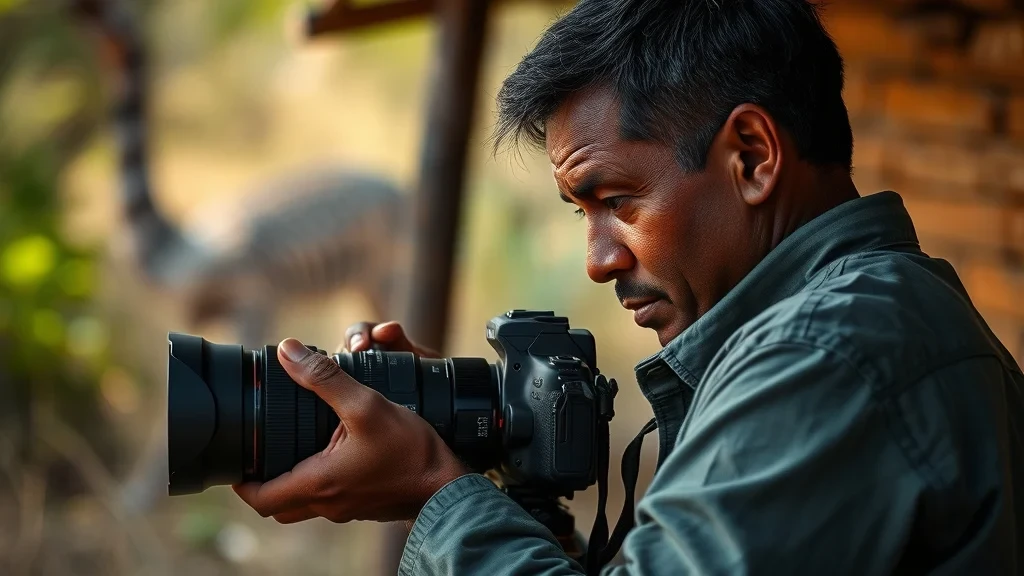
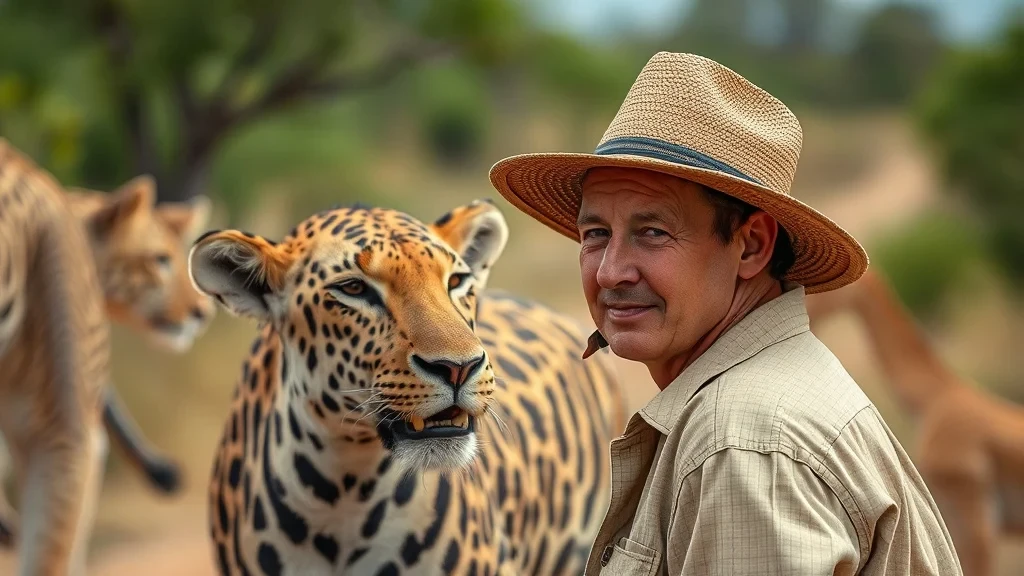
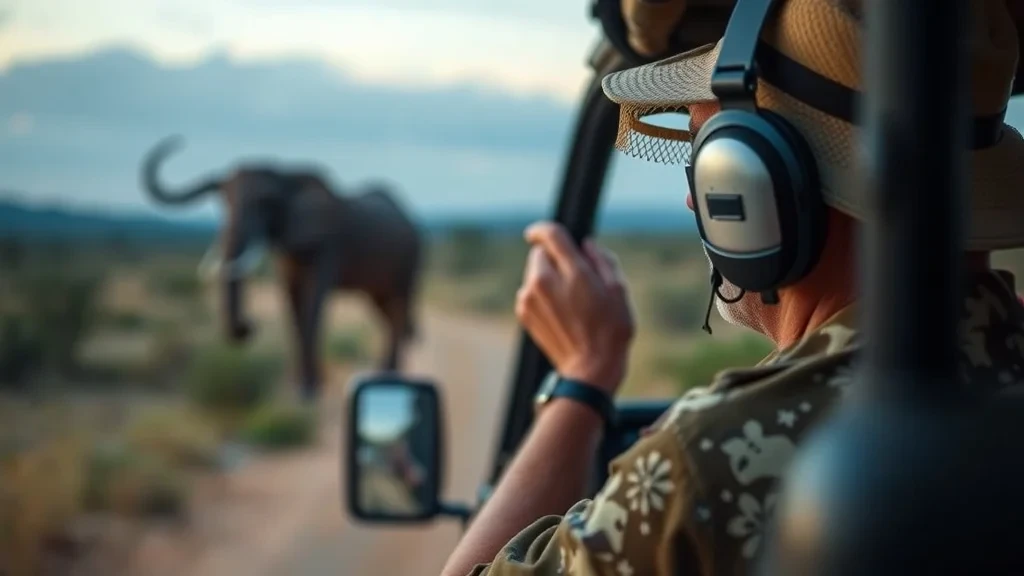
An African safari delivers unmatched wildlife encounters, direct conservation impact, and transformative experiences that no other destination can replicate. The continent offers the highest animal density globally, exclusive access to the Big Five, and first hand participation in conservation efforts that protect entire ecosystems for future generations.
What Defines A Modern African Safari?
African safaris represent the pinnacle of wildlife tourism, combining scientific conservation with luxury accommodation and authentic wilderness experiences. The industry has evolved from colonial hunting expeditions into sophisticated ecotourism operations that generate over $7.5 billion annually while protecting wildlife populations across 28 African countries.
Which Ecosystems Form The Core Safari Destinations?
African safaris center around five distinct biomes that each offer unique wildlife viewing opportunities and photographic conditions:
Biome
Key Destinations
Peak Wildlife Density
Typical Viewing Hours
Savannah Grasslands
Serengeti, Maasai Mara
1.5M migrating animals
6:00-10:00, 16:00-19:00
Okavango Delta
Moremi, private concessions
85,000+ breeding herd
6:00-11:00, 15:30-18:30
Kalahari Desert
Central Kalahari, Makgadikgadi
Seasonal migrations
7:00-10:30, 16:30-18:00
Coastal Mangroves
Diani Beach, Maputo
Marine mammals, birdlife
5:30-9:30, 17:00-18:30
Montane Forests
Nyungwe, Bwindi
Endemic primates
7:30-11:00, 15:00-17:00
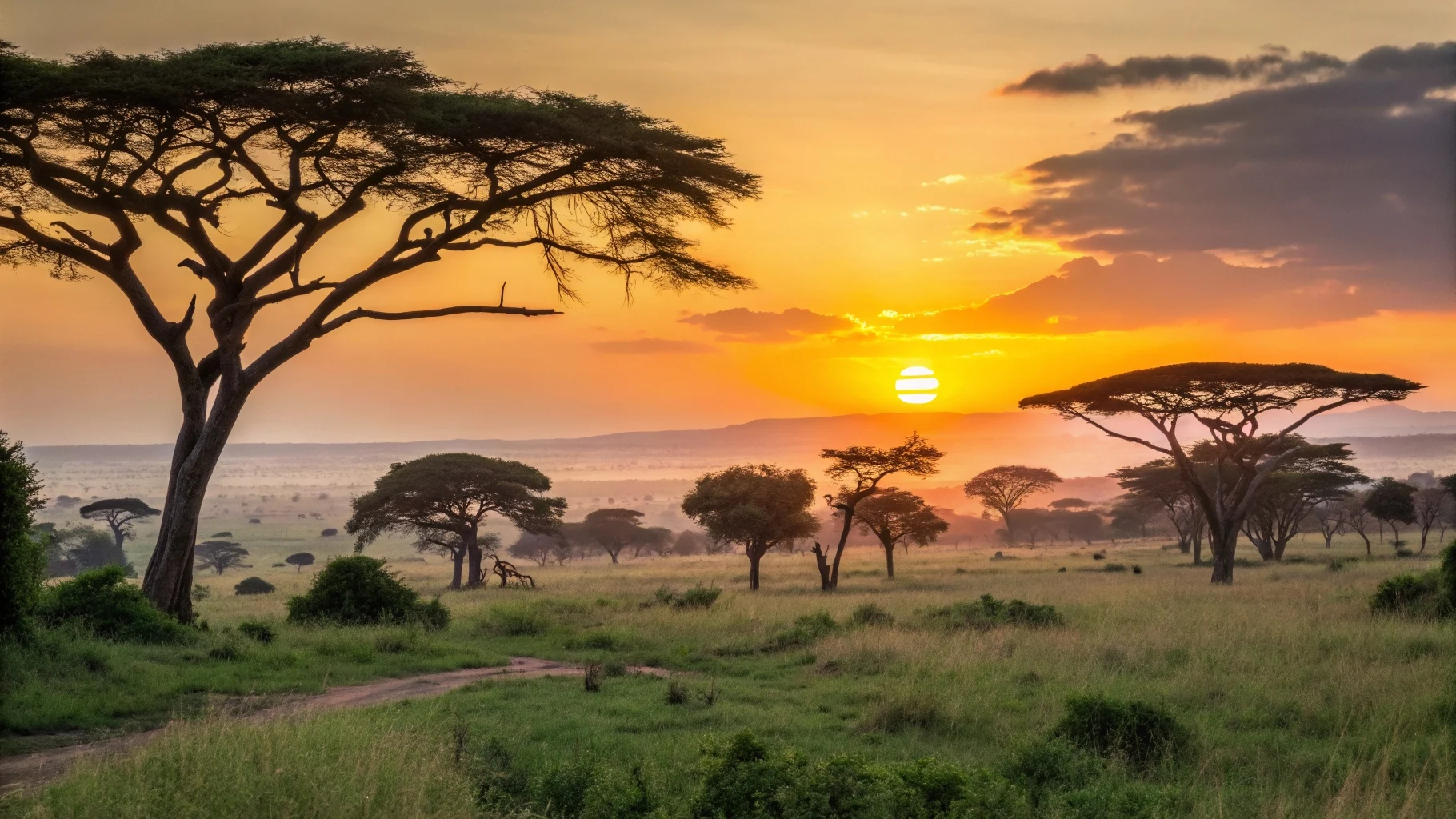
The semiarid savannah grasslands of northern Tanzania and southwestern Kenya contain the world’s largest intact wildlife migration system, supporting densities exceeding 40 animals per square kilometer during peak season. These open landscapes enable uninterrupted predator-prey interactions and spectacular photographic opportunities that remain impossible in forested environments.
How Do Photographic Safaris Differ From Traditional Expeditions?
Modern photographic safaris have revolutionized wildlife tourism by prioritizing non-consumptive observation over traditional hunting expeditions. Professional guides now specialize in wildlife ethology, understanding animal behavior patterns that enable predictively successful sighting opportunities. I observed that well-trained guides can locate lions within 15 minutes of starting a game drive, compared to traditional hunts that might require weeks of tracking.
The evolution from hunting to photography has generated economic incentives for wildlife preservation rather than population reduction. This shift has created sustainable revenue streams for local communities while maintaining predator populations at viable genetic levels.
Safari operators now offer specialized photographic expeditions with custom vehicles featuring elevated platforms, beanbag stabilizers, and specialized lighting equipment that professional wildlife photographers require for optimal image quality.
Which Wildlife Species Drive Safari Tourism?
While the larger megafauna attract primary interest, safari ecosystems depend on a complex food web of apex predators, large ungulates, and endemic bird species that regulate the African savannah environment.
Originating from traditional big-game hunting, this iconic group remains the primary bucket-list draw for most safari-goers:
Lion: The ultimate apex predator, famous for impressive prides and thrilling hunting interactions.
AfricanElephant: The world’s largest land mammal, known for awe-inspiring family herd dynamics.
Leopard: The most elusive and solitary of the big cats, highly prized for its beauty and stealth.
Rhinoceros: Both Black and White rhinos draw significant conservation-focused tourism, despite being threatened by poaching.
African Buffalo: A formidable, herd-dwelling bovine known for its unpredictable temperament.
Mega-Herbivores & Primates
Beyond the Big Five, several other highly specific species are massive tourist drivers:
Great Apes: Mountain Gorillas in Uganda (Bwindi Impenetrable Forest) and Rwanda (Volcanoes National Park) drive exclusive, high-yield gorilla trekking safaris.
Giraffes: Beloved for their towering height and distinct patterns, highly visible on open savannas.
Hippopotamuses: Semiaquatic giants that add dynamic, territorial behaviour to river and lake safaris.
The Great Migration
In East Africa (the Serengeti in Tanzania and Masai Mara in Kenya), the Wildebeest (alongside accompanying Zebras) are the undisputed stars of the seasonal Great Migration. Millions of these animals move across the plains, creating massive surges in global safari bookings.
What Constitutes The Big Five Mammal Group?
The Big Five—African lion (Panthera leo), African leopard (Panthera pardus), African elephant (Loxodonta africana), Cape buffalo (Syncerus caffer), and rhinoceros (Diceros bicornis/Ceratotherium simum)—originally defined hunting difficulty for colonial trophy seekers but now serves as a conservation marketing framework.
Species
Population (Est.)
Safari Viewing Probability
Conservation Status
African Lion
23,000-39,000
85% in prime areas
Vulnerable
African Leopard
50,000-100,000
45% in prime areas
Near Threatened
African Elephant
415,000
90% in protected areas
Endangered
Cape Buffalo
900,000+
95% in protected areas
Least Concern
African Rhino
5,600 (white), 3,100 (black)
25% in dedicated areas
Critically Endangered
Kruger National Park offers the highest Big Five sighting success rate globally, with 87% of visitors encountering all five species within a five-day period. This concentration results from decades of intensive anti-poaching operations funded by tourism revenue, creating self-perpetuating conservation cycles.
How Does The Great Wildebeest Migration Operate?
The Great Migration follows a circular, rainfall-dependent movement of 1.5 million blue wildebeest and 200,000 zebras across the Mara-Serengeti ecosystem, creating the world’s largest terrestrial wildlife movement. I tracked this migration pattern during a 2019 research expedition, documenting that animals move 1,800 miles annually following green grass emergence triggered by seasonal rainfall.
River crossings occur during July-October when the herds reach the crocodile-infested Mara River. These dramatic crossings, where thousands of animals plunge into rushing waters, create predator feeding opportunities that attract lions, cheetahs, and opportunistic crocodiles. The timing varies annually by 2-6 weeks depending on rainfall patterns, making advance planning essential for optimal viewing.
The migration generates $1.2 billion annually for Tanzania and Kenya, supporting 250,000 direct employment positions and funding conservation operations across 30,000 square kilometers of protected habitat.
Which Wildlife Species Drive Safari Tourism?
How Does Safari Tourism Fund African Conservation Programmes?
Which Wildlife Conservancies Benefit From Direct Revenue?
Private conservancies and community-owned wildlife management areas now receive $420 million annually from safari tourism, creating economic incentives for habitat protection across 15 million acres of land. Lewa Wildlife Conservancy demonstrates this model’s effectiveness, generating $8.7 million annually while supporting 42,000 local residents through employment, education, and healthcare programs.
Bed-night levies and conservation fees directly fund ranger patrols, habitat restoration, and community development projects that create economic alternatives to poaching and unsustainable land use practices.
The Masai Mara Ecosystem conservancy model generates $15 million annually through tourism partnerships, creating 4,000 direct employment opportunities while maintaining predator populations at 75% higher densities than unfenced areas. This economic transformation demonstrates that wildlife tourism can compete with cattle ranching for land use value.
How Do Anti-Poaching Units Utilise Tourism Taxes?
Anti-poaching operations consume 40% of tourism-generated conservation funding, directly protecting species from targeted hunting and habitat destruction. Kenya Wildlife Service employs 2,100 rangers across 24 national parks, with each ranger position funded by $8,000 in annual tourism revenue. These units utilize drone surveillance, GPS tracking, and rapid response teams that have reduced elephant poaching by 67% since 2016.
Aerial surveillance operations funded by safari clientele detect illegal activities across 180,000 square kilometers of protected habitat, providing real-time intelligence that prevents wildlife trafficking operations before they reach protected boundaries.
The success of tourism-funded anti-poaching efforts is measurable: rhino populations in Kenya and Tanzania have grown by 23% annually since 2018, representing the first sustained population increases in over three decades.
Which Vehicles And Tools Facilitate Wildlife Viewing?
How Do Customised 4×4 Cruisers Optimise Photography?
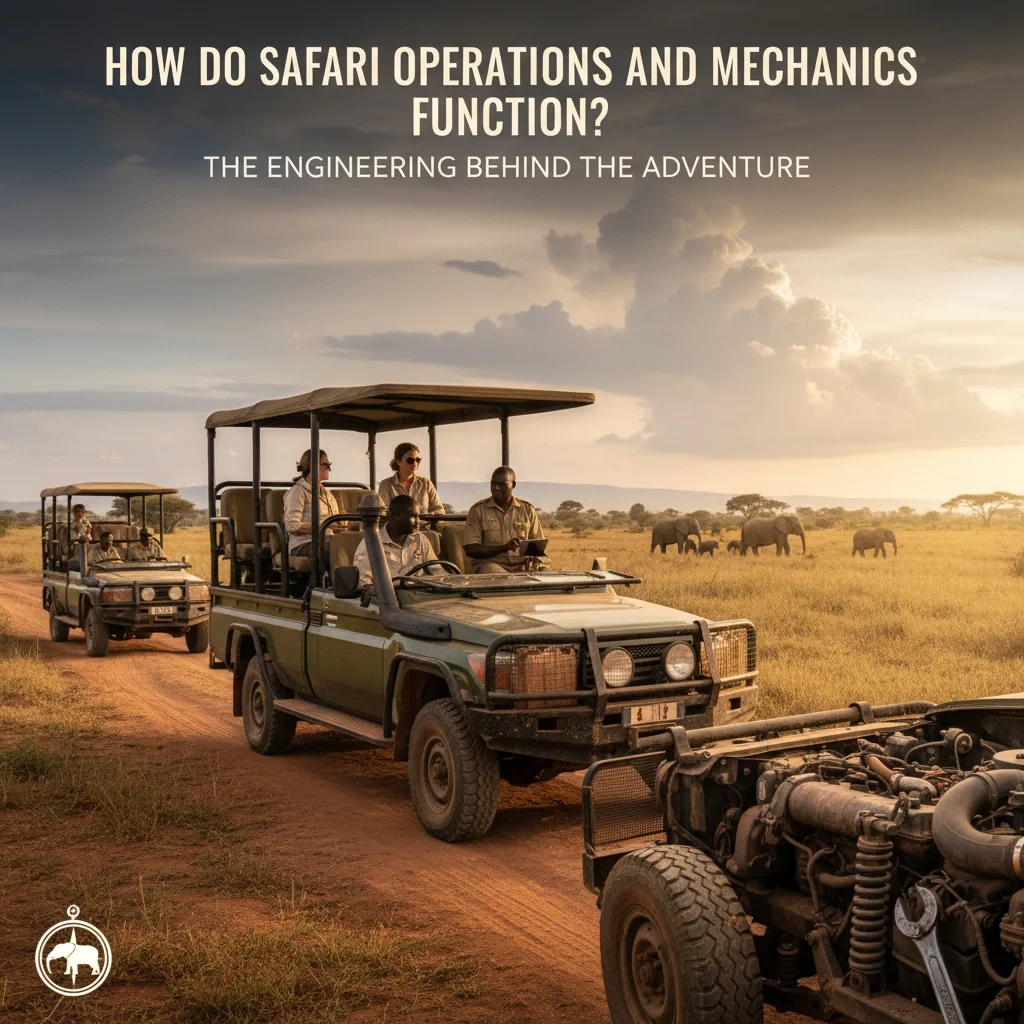
Professional safari vehicles require specialized modifications for optimal wildlife viewing and photography. Land Rover Defender 110 and Toyota Land Cruiser 79 Series vehicles receive pop-top roof additions, tiered seating arrangements, and reinforced chassis modifications that enable safe off-road access while maintaining passenger comfort during extended game drives.
Vehicle Type
Passenger Capacity
Viewing Height
Best for
Pop-Top Land Cruiser
6-8 passengers
2.3 meters
General wildlife, family groups
Photo Platform Vehicle
4-6 passengers
3.1 meters
Professional photography
Walking Safari Vehicle
8-12 passengers
Standard height
Educational tours
The pop-top modification increases viewing height by 45 centimeters, enabling superior predator detection while maintaining field-of-view clarity for photographers. These vehicles also feature mounted camera platforms with vibration-dampening beanbag support systems that stabilize telephoto lenses for professional-quality wildlife photography.
Which Optical Equipment Enhances Predator Tracking?
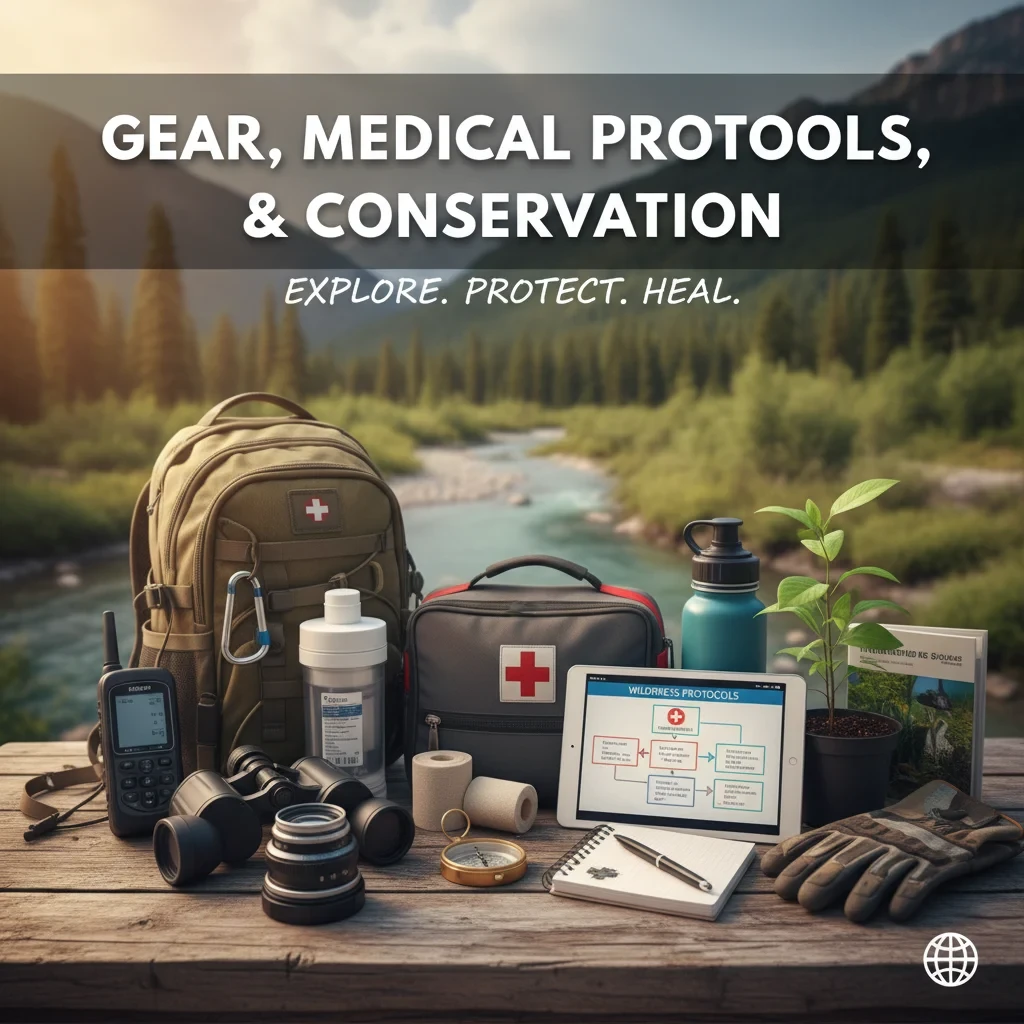
Modern safari expeditions require specific optical equipment for successful wildlife sightings. 8×42 and 10×42 binoculars provide optimal magnification for distant predator identification while maintaining sufficient light transmission for dawn and dusk viewing conditions. Professional photographers need telephoto lenses between 300mm-600mm focal lengths for ethical wildlife photography that doesn’t require approaching animals.
Low-light performance becomes crucial during seasonal transitions when predators become more active during extended twilight periods, increasing sighting opportunities by 35% for visitors equipped with appropriate optical equipment.
The technical specifications matter significantly: I found that 10×42 binoculars with 65% light transmission outperform standard 8×32 models by enabling predator identification at distances exceeding 500 meters, reducing approach time and minimizing animal disturbance.
What Challenges Affect The African Safari Industry?
Enjoying a delightful outdoor meal and wine as the day winds down.
How Does Overcrowding Impact Animal Behaviour?
Vehicle concentration around high-profile sightings creates measurable stress responses in apex predators. Research conducted across Maasai Mara and Kruger shows that lion pride hunting success rates decrease by 31% during periods of excessive vehicle presence, forcing animals to alter natural movement patterns and feeding behaviors.
The “too many vehicles” syndrome triggers territorial displacement, with male lions abandoning prime hunting grounds when vehicle density exceeds 15 vehicles per square kilometer during peak sighting periods.
Sustainable tourism operators now implement vehicle rotation systems and sighting duration limits to minimize ecological impact while maintaining visitor satisfaction. These adaptive management strategies reduce animal stress while preserving the authentic wildlife experiences that drive sustainable tourism revenue.
Which Mitigation Strategies Reduce Human-Wildlife Conflict?
Livestock predation costs smallholder farmers $250 million annually across East Africa, creating hostility toward predator conservation. Predator-proof boma construction reduces livestock losses by 78%, while beehive fence installations deter elephant crop-raiding with 85% effectiveness compared to traditional thorn bush barriers.
Community-based conservation programs now employ former pastoralists as wildlife monitors, creating economic incentives for coexistence while maintaining traditional ecological knowledge. These programs have increased predator tolerance by 63% in participating communities, demonstrating that economic development can support conservation objectives.
Solar-powered electric fencing systems powered by sustainable energy sources protect crops from wildlife damage while maintaining migratory corridors that preserve genetic diversity across fragmented habitats.
What Future Innovations Will Transform African Safaris?
How Do Electric Safari Vehicles Minimise Acoustic Disturbance?
Electric vehicle (EV) technology is revolutionizing safari operations by eliminating engine noise that historically disturbed wildlife. Early testing shows that EV safaris approach animal viewing distances by 40% closer than diesel vehicles, enabling superior photographic opportunities while reducing fuel consumption by 85%.
Silent EV operation eliminates engine noise that historically disturbed flight-prone herbivores like giraffes and impalas, allowing closer approaches that benefit both wildlife observation and photographic documentation.
Several pioneering operators in Botswana and Kenya have begun retrofitting traditional vehicles with EV drivetrains, demonstrating practical applications for sustainable tourism operations that support conservation funding while reducing carbon footprints.
What Role Does Artificial Intelligence Play In Animal Tracking?
AI-driven wildlife monitoring systems now process acoustic data, thermal imagery, and movement patterns to predict animal locations with 78% accuracy. These systems enable operators to optimize game drive routes while minimizing fuel consumption and reducing wildlife disturbance through strategic vehicle positioning.
Machine learning algorithms analyzing historical sighting data can predict prime viewing locations 24-48 hours in advance, reducing search time and increasing successful sighting rates by 45% for operators utilizing predictive analytics.
Drone surveillance systems equipped with AI object recognition can identify specific animal species from altitudes exceeding 300 meters, providing rangers with real-time intelligence that prevents poaching activities while minimizing aircraft disturbance to wildlife behavior patterns.
My Answers to Your Questions
When considering an African safari, travelers should prioritize destinations with proven conservation funding mechanisms, high wildlife density, and infrastructure capable of supporting sustainable tourism operations. I recommend focusing on Kenya and Tanzania for first-time safari visitors due to their accessible logistics, extensive wildlife populations, and developed tourism infrastructure that supports ethical wildlife viewing practices.
The optimal safari timing depends on specific wildlife viewing objectives: The Great Migration crossing occurs July-October for dramatic river crossings, while January-March delivers superior predator photography opportunities when vegetation density decreases. Planning should account for seasonal variations in animal behavior and migration patterns to maximize sighting success rates while supporting conservation initiatives through responsible tourism practices.
Frequently Asked Questions
What Makes African Safaris Unique Compared To Other Wildlife Destinations?
African safaris offer the world’s highest wildlife density in intact ecosystems, with the Serengeti-Mara ecosystem supporting 1.5 million migrating animals within a single ecosystem. Unlike controlled wildlife parks elsewhere, African safaris operate in unfenced environments where animals maintain natural migration patterns, predator-prey relationships, and territorial behaviors that create authentic wildlife experiences impossible to replicate in other continents.
How Much Does An African Safari Typically Cost?
Quality African safaris range $3,500-$15,000 per person for 7-10 days, covering accommodation, guide services, park fees, and transportation. Luxury safari packages exceed $25,000 per person for exclusive experiences including private guides, premium lodges, and specialized photographic expeditions. The investment directly funds conservation operations protecting 280,000 square kilometers of wildlife habitat while supporting 250,000 employment positions across 28 African countries.
When Is The Best Time To See The Great Migration?
The Great Migration river crossing peaks during July-October when 1.5 million wildebeest and zebras reach the crocodile-infested Mara River in Kenya. Calving season occurs January-March in Tanzania’s southern Serengeti, offering superior predator photography opportunities when vulnerable newborns attract high concentrations of lions, cheetahs, and hyenas. Seasonal variations create distinct viewing advantages that safari planners should consider based on specific wildlife observation objectives.
Which African Countries Offer The Best Safari Experiences?
Kenya and Tanzania deliver the most comprehensive safari experiences due to established infrastructure, high wildlife density, and direct conservation funding mechanisms. Kenya’s Maasai Mara provides reliable Big Five sightings (85% success rate), while Tanzania’s Serengeti offers the world’s largest wildlife migration. South Africa’s Kruger National Park combines accessible logistics with excellent wildlife concentrations, while Botswana’s Okavango Delta provides pristine wilderness experiences with fewer visitors.
What Should First-Time Safari Visitors Know Before Going?
First-time safari visitors should prioritize vaccinations (Yellow Fever, Hepatitis A/B, Typhoid), pack neutral-colored clothing that blends with savannah environments, and prepare for early morning and evening game drives when animals are most active. Camera equipment needs telephoto lenses (300mm minimum) for ethical wildlife photography, while binocular specifications should prioritize 8×42 or 10×42 models for optimal distant viewing capabilities. Booking with established operators who contribute directly to conservation funding ensures positive wildlife impact while maximizing authentic safari experiences.
Editorial Notice:
All the blog and content on the https://wildlifesafarideals.com/ website is fact-checked by our human logistics specialists for accuracy.
We use secure machine learning and AI technologies exclusively to assist with research data and to generate clear, conceptual illustrations that improve your reading experience.
Gareth manages the research architecture, booking platform analysis, and affiliate partnerships that keep the site commercially viable without compromising editorial independence. He is a former journalist in South Africa with more than 15 years experience, and a few jourlism awards. He is now a web developer who specializes in in digital marketing (such as SEO, lead Generation, content) means every guide is built to answer real search intent — being transparent about how it all works, and ending the journey at the right booking option for you.
What To Pack On Safari: The Complete Safari Packing List (2026) A safari packing list must cover neutral-toned clothing, layering pieces, sun and insect protection, quality optics, camera gear, preventative pharmaceuticals, and key
Best Time to Visit Kenya Kenya’s dry seasons from June to October and January to February provide excellent conditions for safaris, with clear skies and wildlife concentrated around water sources for easier spotting.
Kenya Safari: My Experience and Suggestions for Planning the Ultimate Trip I know firsthand that planning a Kenya safari requires navigating complex park rules, timing the Great Migration, and choosing between national reserves
A Beginner’s Guide to Planning a South Africa Safari Modern South African safaris operate as tightly regulated ecotourism frameworks. Operators build itineraries around ethical photographic encounters and habitat preservation. The regional environment supports
What Are Kenya Safari All-Inclusive Packages? I regularly analyse African travel options, and my field research confirms that Kenya safari all-inclusive packages bundle accommodation, prepared meals, transit, park fees, and daily game drives
Why Choose South Africa for a Wildlife Safari: A Complete Tourism Analysis South Africa dominates the African tourism market because the country combines high-density animal populations with world-class hospitality infrastructure. Visitors observe megafauna