Why Should Travellers Choose An African Safari?
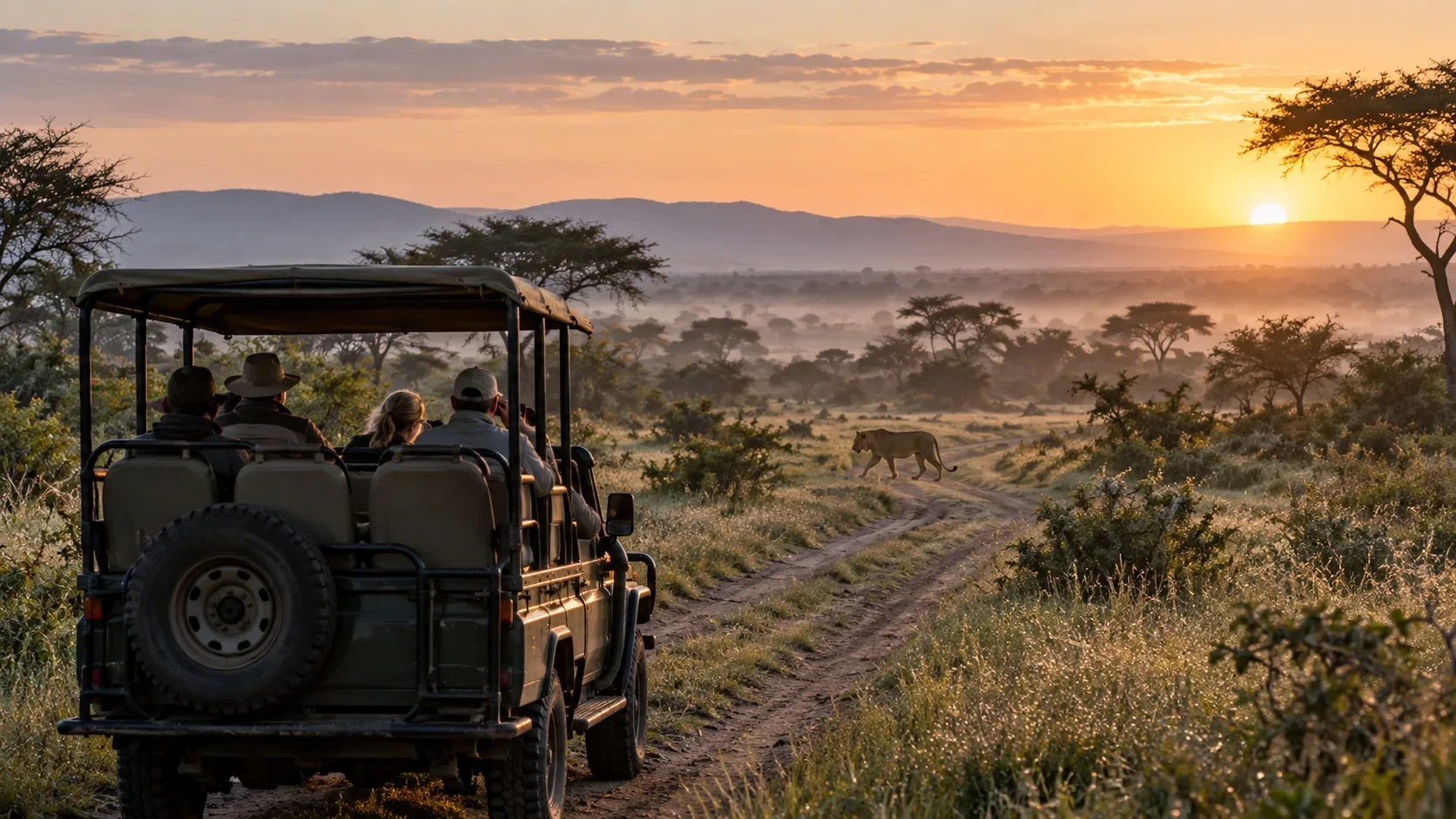
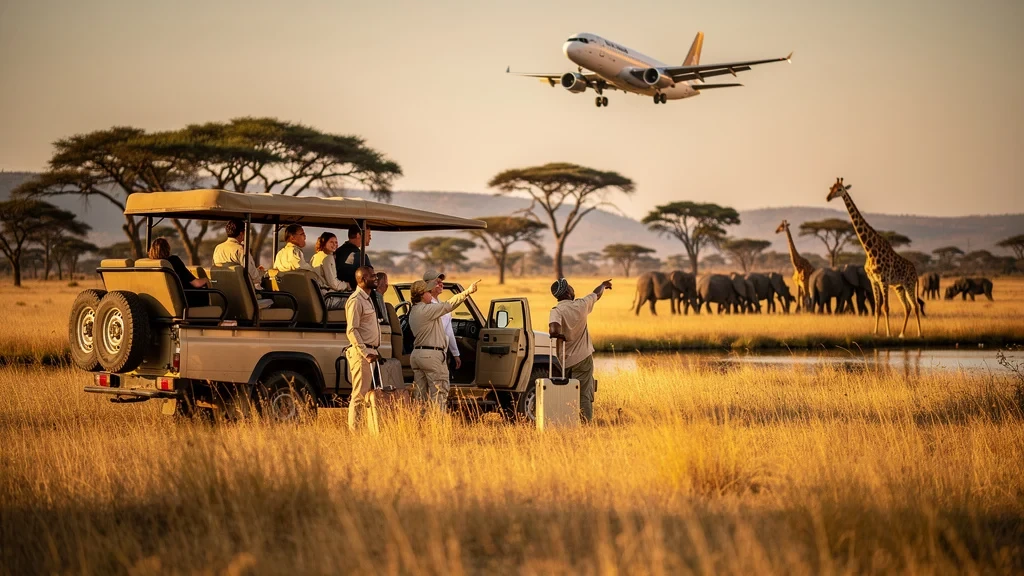
An African safari places travellers inside working ecosystems rather than behind the boundary of a conventional wildlife attraction. The appeal comes from observing wild animals in their natural habitats, learning how guides interpret tracks and behaviour, and experiencing landscapes that change with rainfall, season and time of day.
No safari can guarantee a particular sighting. A well-planned trip improves the conditions for good wildlife viewing by matching the destination, season and activity to the traveller’s priorities.
What Makes an African Safari Different?
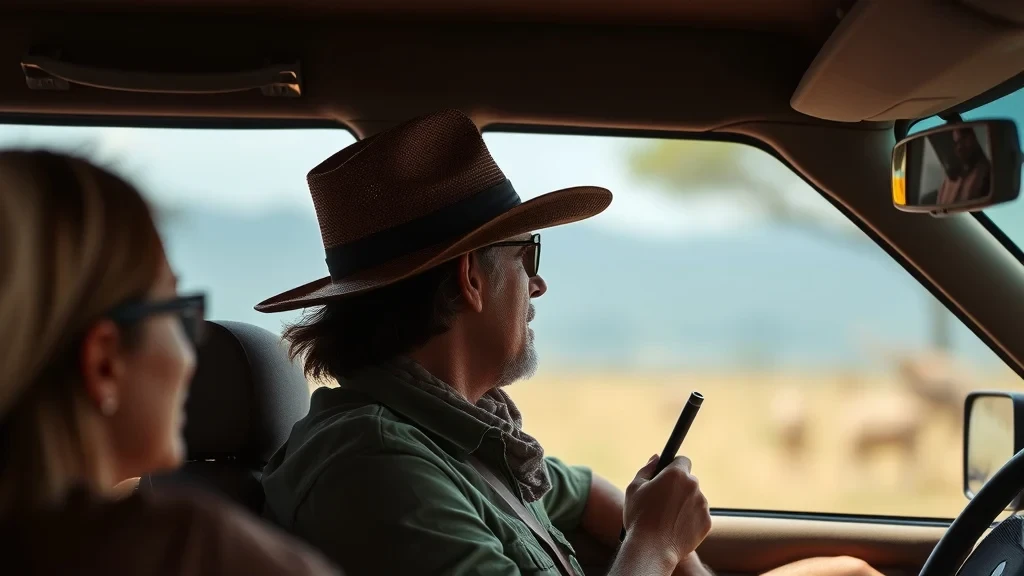
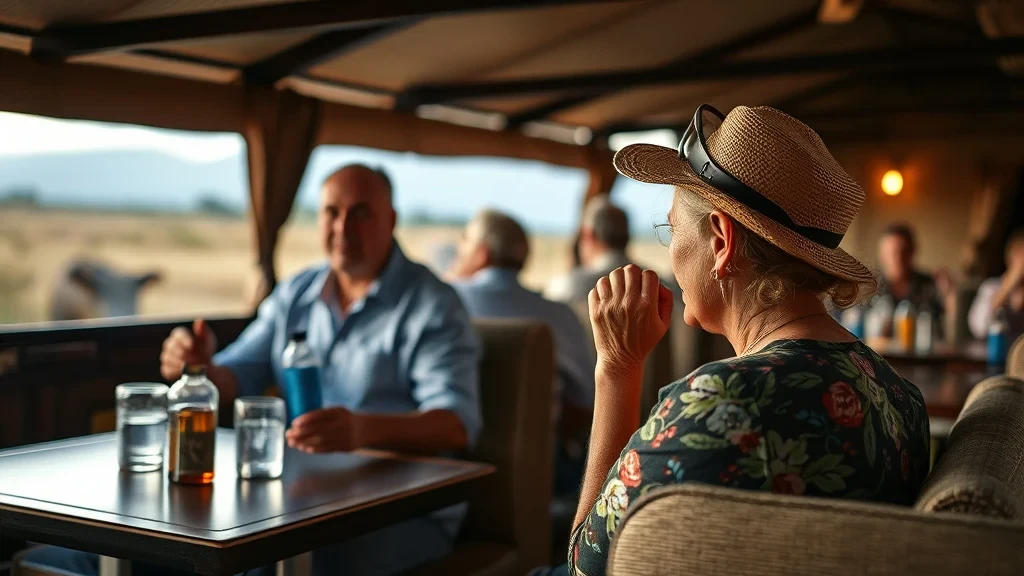
A safari combines wildlife observation, landscape, guiding and local hospitality in one journey. Each element matters: a famous reserve may offer excellent wildlife, but the quality of the experience also depends on vehicle numbers, guide standards, accommodation location and the amount of time available.
Wildlife lives within connected ecosystems
A safari is not a sequence of staged encounters. Animals move in response to water, grazing, territory, breeding conditions and pressure from predators. This is why two drives through the same area can be completely different. The uncertainty is part of the experience and should be explained honestly when comparing destinations.
Travellers can choose different ways to explore
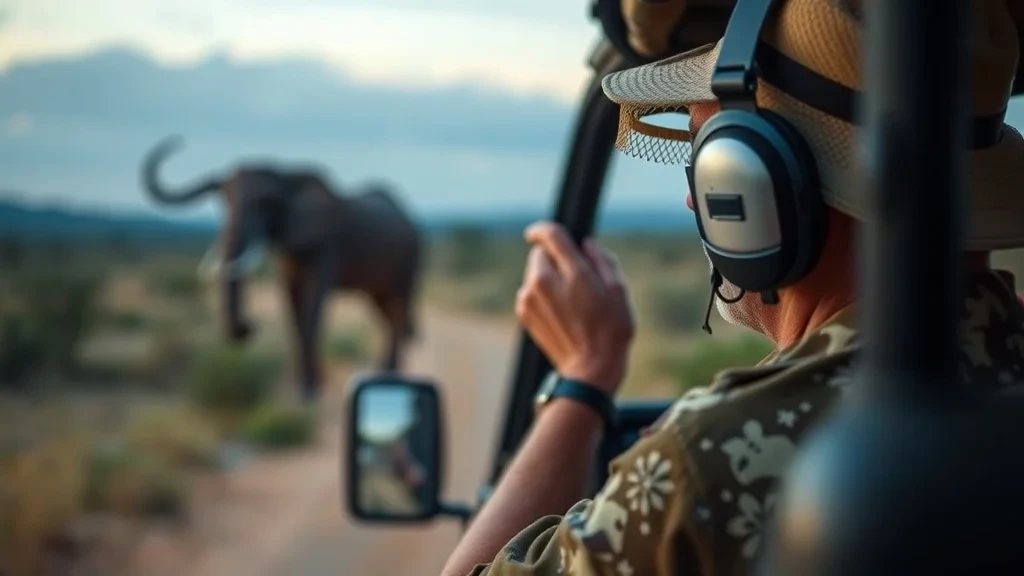
Game drives are the most widely available activity, but they are not the only option. Depending on the destination and local rules, a safari may include guided walks, boat trips, mokoro excursions, birding, night drives or specialist photography. Travellers should confirm which activities are included, which cost extra and whether age or fitness restrictions apply.
Which Safari Destination Suits Your Priorities?
The best destination is the one that fits the wildlife, pace, season and budget you actually want. A first safari does not need to cover several countries. Spending longer in fewer areas can reduce transfer time and create more opportunities to understand one ecosystem.
| Destination type | Well suited to | Planning consideration |
|---|---|---|
| East African savannah | Open-plains wildlife, seasonal movement and classic game drives | Rainfall affects animal movement; migration timing cannot be guaranteed |
| South African national parks | Self-drive options, guided drives and varied accommodation | Public roads and private reserves offer different access and vehicle policies |
| Private reserves and conservancies | Smaller camps, guided activities and controlled vehicle access | Compare conservation fees, inclusions and land-use policies |
| Wetlands and river systems | Birding, boating and water-based wildlife viewing | Water levels and seasonal access can change the available activities |
| Forest and primate destinations | Guided trekking and specialist wildlife encounters | Permits, fitness requirements and minimum ages may apply |
Use the Kenya safari planning hub for destination comparisons, the safari seasons guide for seasonal context and the safari lodge comparison hub when you are ready to compare accommodation.
Which Wildlife Experiences Can Travellers Plan Around?
Lions, leopards, elephants, rhinoceroses and African buffalo are commonly grouped as the Big Five, but this label should not become a promise or the only measure of a successful safari. Wild dogs, cheetahs, giraffes, antelope, primates, reptiles and birdlife can be equally important to the character of a destination.
The Great Migration is a moving ecological system
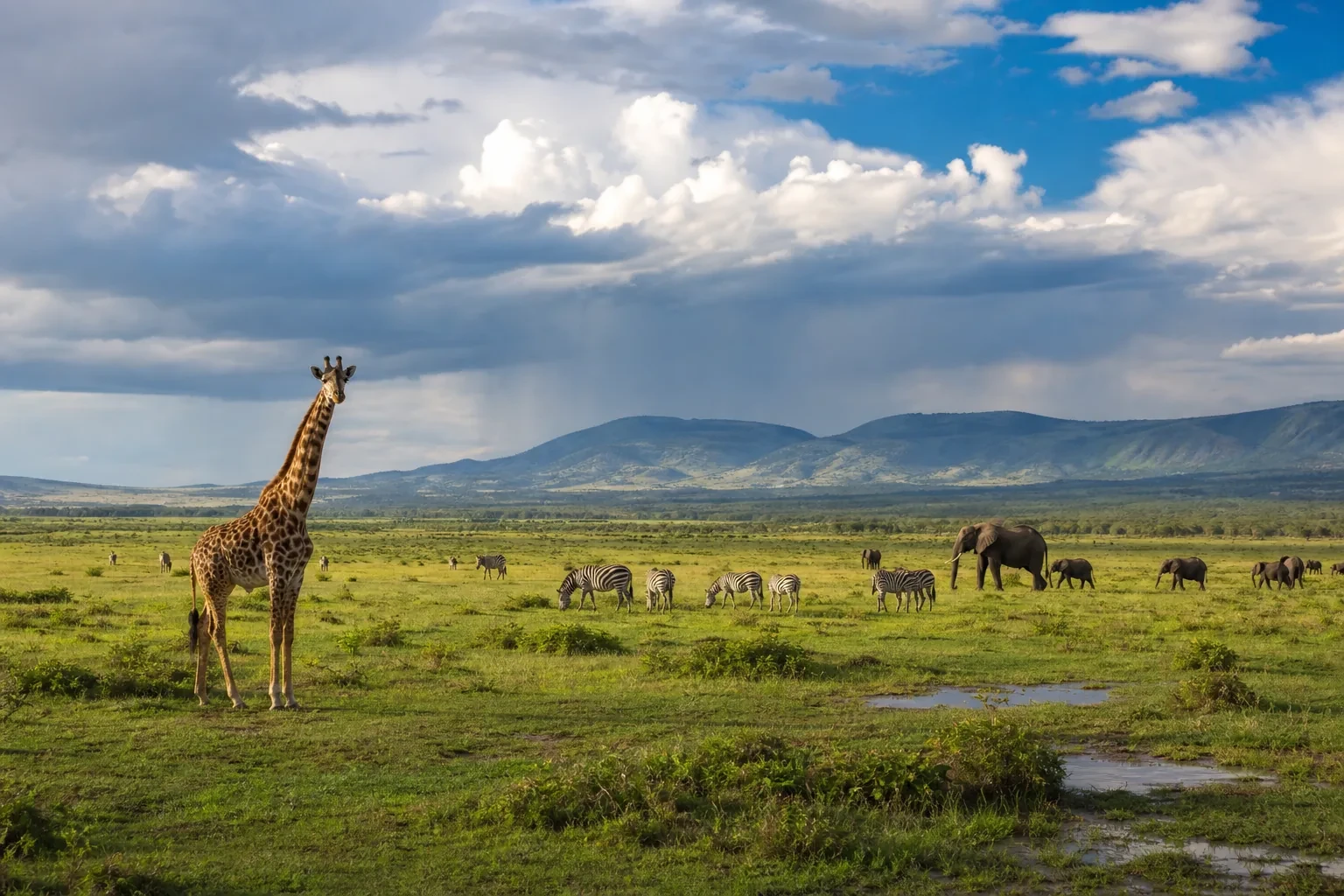
The Serengeti–Mara migration follows changing grazing and water conditions across Tanzania and Kenya. It does not operate to a fixed daily schedule. UNESCO describes the Serengeti as a vast savannah ecosystem supporting an annual migration of wildebeest, zebras and gazelles, followed by predators. Travellers interested in the migration should plan for a region and seasonal phase rather than expecting a guaranteed river crossing on a particular date. See the UNESCO Serengeti National Park profile for the protected area’s recognised natural values.
General wildlife viewing changes by habitat and season
Dry periods can concentrate wildlife near dependable water, while wetter periods can produce greener scenery, migratory birdlife and newborn animals. Visibility, road access and animal distribution vary between destinations. The right choice depends on whether the priority is photography, species diversity, a quieter atmosphere, family travel or a specific activity.
How Should Travellers Compare Safari Activities?
| Activity | What it offers | Questions to ask before booking |
|---|---|---|
| Guided game drive | Wide coverage with a professional guide | How many guests share the vehicle? Are drives private or shared? |
| Walking safari | Close attention to tracks, plants and smaller details | What fitness level, age limit and safety briefing apply? |
| Night drive | A chance to observe nocturnal behaviour where permitted | Is the activity allowed in the reserve and included in the rate? |
| Boat or mokoro safari | Wildlife and birding from waterways | Is the activity seasonal and what water conditions are required? |
| Photographic drive | More time and positioning for photography | Are there equipment supports, charging points and luggage limits? |
Binoculars are useful even for travellers who are not photographers. Camera needs vary widely, so equipment should be chosen for the trip rather than treated as a condition of going on safari. Ethical viewing always takes priority over getting closer for a photograph.
How Can Safari Tourism Support Conservation and Communities?
Protected-area fees, concession payments, employment and local purchasing can contribute to conservation and community livelihoods, but the model differs between countries and properties. Travellers should avoid blanket claims that every booking has the same impact.
Before booking, ask who owns or manages the land, how conservation fees are collected, whether local guides and suppliers are employed, and how the operator reports its environmental or community commitments. Clear answers are more useful than broad sustainability slogans.
What Are the Main Trade-offs?
Popular sightings can attract several vehicles
Vehicle pressure is more noticeable in busy areas and peak seasons. Private reserves and conservancies may apply their own vehicle limits, while public parks often provide greater freedom of movement but can be busier near accessible sightings. Ask about sighting etiquette, off-road rules and whether the guide will leave a crowded encounter.
Remote travel adds cost and complexity
Small aircraft, road transfers, park fees and inclusive lodge rates can make safari pricing difficult to compare. Check the full itinerary for taxes, conservation fees, transfers, drinks, laundry, activities and single supplements. Affiliate prices and availability can change on the provider’s website, so the merchant’s current terms remain controlling.
How Should You Prepare for a Safari?
Confirm passport, visa, insurance and entry requirements using official sources for every country on the itinerary. Health advice depends on the destination, season, traveller and planned activities. The World Health Organization advises travellers to seek destination-specific health information early and to consider a travel clinic before departure. Review the WHO travel and health guidance and obtain personal advice from a qualified clinician.
Pack for temperature changes rather than only daytime heat. Neutral, comfortable clothing, sun protection, any prescribed medication and a small pair of binoculars are practical basics. Soft-sided luggage limits often apply on light-aircraft transfers, so confirm the operator’s allowance before travelling.
How Do You Choose a Safari Without Overpaying?
Compare like with like. A lower room rate may exclude transfers, park fees or activities, while a higher rate may include most on-site costs. Check the cancellation policy, payment schedule and currency before paying a deposit. If a link on this website leads to a booking platform, the price, availability and contract are provided by that third party.
The most valuable itinerary is not automatically the longest or most luxurious. It is the one that spends enough time in each area, avoids unnecessary transfers and matches the traveller’s real interests.
Frequently Asked Questions
What makes an African safari different from a zoo visit?
Safari wildlife is observed within natural or semi-natural ecosystems where animal movement and sightings are not staged. Guides interpret behaviour and habitat, but they cannot guarantee which species will appear.
When is the best time to go on safari?
There is no single best month for every destination. Dry periods can improve visibility near water, while wetter periods may offer greener landscapes, birds and young animals. Choose the season after choosing the destination and wildlife priority.
Are Big Five sightings guaranteed?
No. Wildlife is free-ranging, visibility changes and some species are naturally elusive. Treat any guarantee of a wild-animal sighting with caution.
How many days should a first safari include?
A focused itinerary with several nights in each area is usually more practical than rushing through many parks. The right length depends on travel time, budget and whether beach, city or other activities are included.
What should travellers check before booking?
Confirm the operator or platform, exact inclusions, park and conservation fees, transfers, cancellation terms, insurance requirements, health advice and luggage limits. Recheck the merchant’s live terms before payment because availability and prices can change.