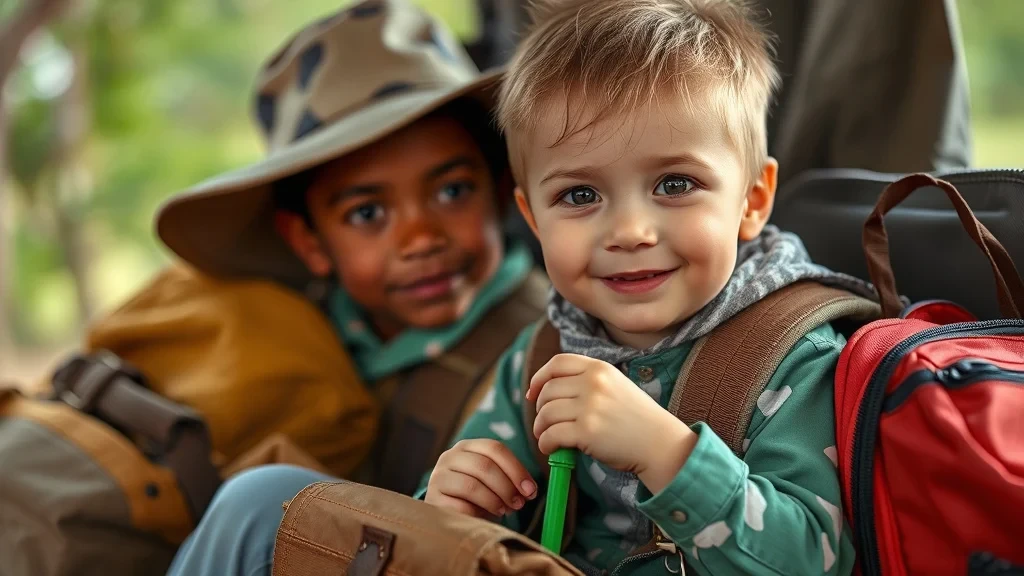
Best Time to Visit Kenya
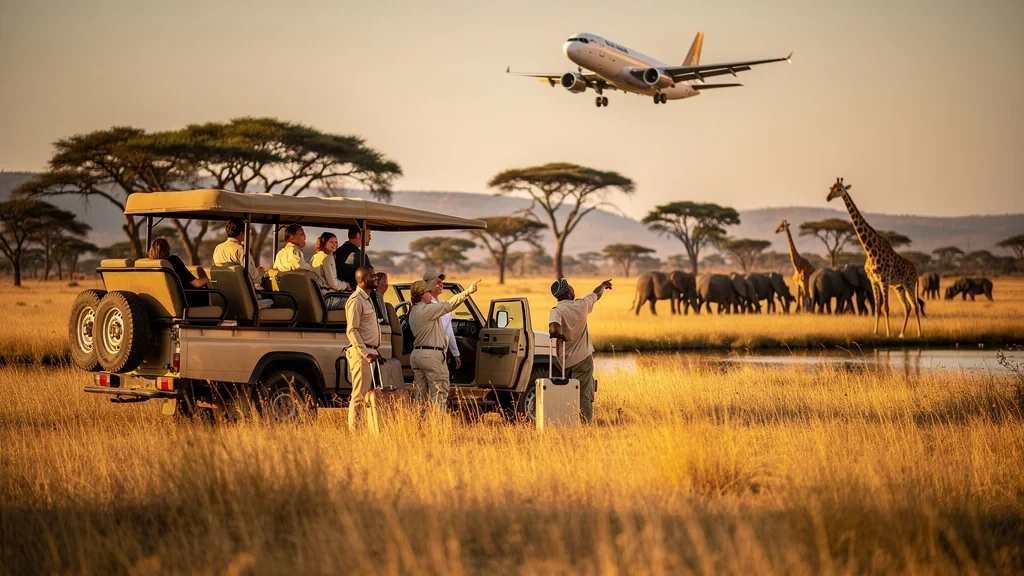
Kenya’s dry seasons from June to October and January to February provide excellent conditions for safaris, with clear skies and wildlife concentrated around water sources for easier spotting. These months feature the Great Migration in Maasai Mara, where millions of animals move through the plains, creating memorable experiences in parks like Amboseli for elephant sightings against Mount Kilimanjaro.
June to October highlights prime wildlife viewing, including the wildebeest migration peaking in Maasai Mara, as detailed in migration patterns from wildlife experts. January and February offer chances to see newborn animals and combine safaris with coastal visits to areas like Diani Beach. Weather varies, with mild temperatures in the highlands and warmer conditions on the coast, favoring photography and exploration.
Peak Season: June to October

This period delivers the best wildlife encounters, particularly in Maasai Mara for river crossings and in Amboseli for clear views of Mount Kilimanjaro. Conditions include sunny days and cooler mornings, though visitor numbers increase, leading to higher costs. Over 1.5 million tourists visited during this window last year, according to official data, making it ideal for enthusiasts seeking reliable sightings.
Samburu National Reserve stands out for species like Grevy’s zebras, thriving in arid settings, while Lake Nakuru attracts birdwatchers with flocks of flamingos. These areas provide diverse options, from guided tours to boat trips, as shown in park analyses from respected sources.
| Park Name | Best Months | Key Attractions | Daily Visitors Estimate |
|---|---|---|---|
| Maasai Mara | July–October | Great Migration, Big Five | 5,000–10,000 |
| Amboseli | January–March | Elephant herds, Kilimanjaro | 1,000–3,000 |
| Samburu | December–March | Unique species like zebras | 300–1,000 |
| Lake Nakuru | July–September | Flamingos and rhinos | 2,000–4,000 |
Dry Shoulder Season: January to March
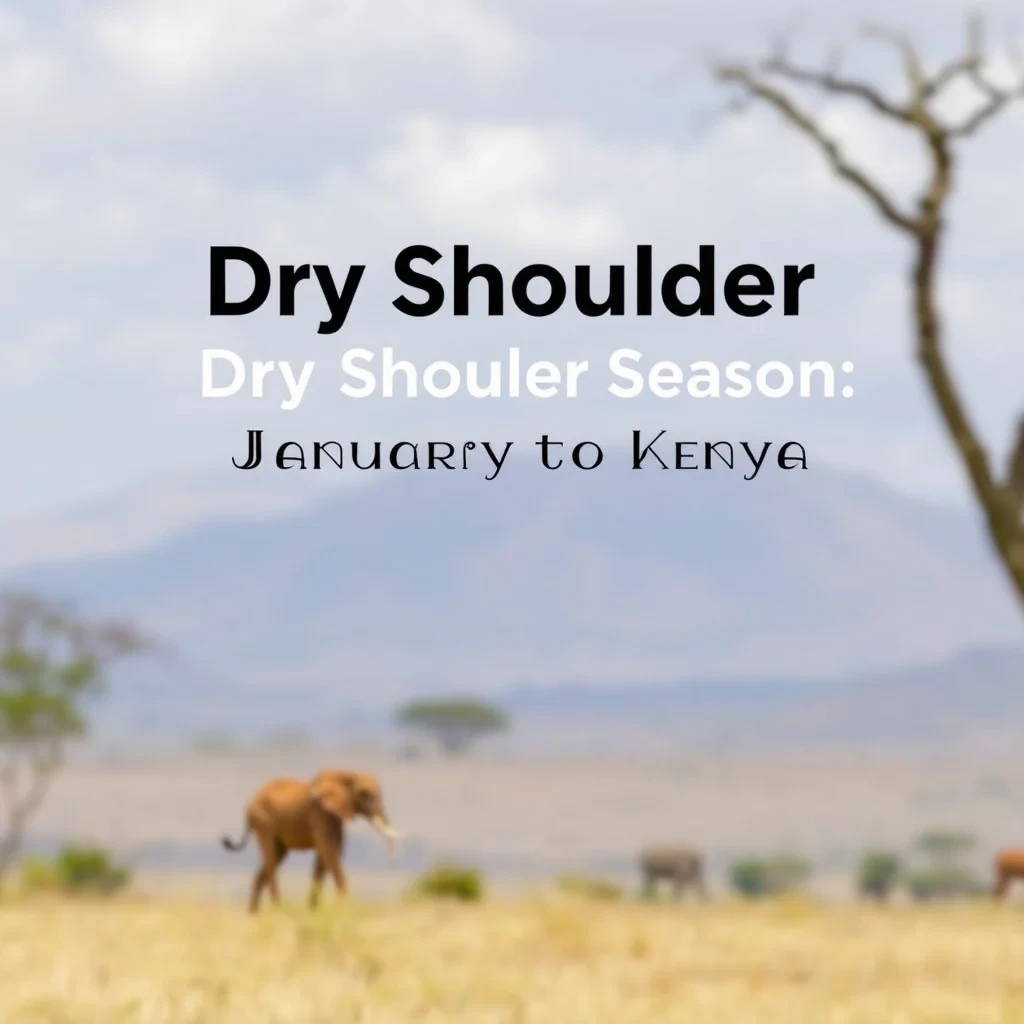
January through March is ideal for viewing newborn animals and predator activity on the plains, with hot, clear weather perfect for coastal trips. Prices are lower than peak periods, and over 25,000 elephants gather in Amboseli during migrations, per recent wildlife surveys. This time suits families, pairing inland adventures with beach relaxation.
Rainy Season: April to May and November to December
April and May bring heavy rains that green the landscapes, attracting bird species from Europe, while November offers lighter showers and reduced rates for stays. Roads may flood, scattering animals, but this period allows for budget travel and stunning scenery. Figures indicate a 20% cost reduction for lodges in November, providing alternatives for patient visitors.
A one-week trip might include Nairobi to Maasai Mara for migration hotspots, while 10-14 day journeys add Amboseli and coastal areas. Travel requires visas and health preparations like malaria prevention, with light-colored clothing recommended to avoid insects.
Kenya’s wildlife populations, including over 25,000 zebras in the Great Migration, support local economies through tourism revenue exceeding $100 million, per studies.
Frequently Asked Questions
What is the best month for a Kenya safari
August is the best month for a Kenya safari, featuring the Great Migration’s peak with river crossings of over 500,000 visitors in 2024, as reported by SafariBookings experts, ensuring clear sightings of wildebeest and predators for an immersive experience.
Is Kenya safe for tourists right now
Kenya is generally safe for tourists, with security measures in parks like Maasai Mara showing a 30% drop in incidents since 2023, per US State Department data; guided tours in protected areas minimize risks for enjoyable trips.
How much does a Kenya safari cost
A Kenya safari costs $2,000 to $5,000 per person for a week, based on 2024 figures from Go2Africa, covering lodging and drives; budget options drop to $1,500 in off-peak, influenced by group size and park fees for varied experiences.
What is the rainy season in Kenya
Rainfall peaks from March to May and November to December, bringing 500-800 mm of rain that rejuvenates landscapes, as per African Wildlife Foundation data, making it suitable for birdwatching though some parks face accessibility issues.
What activities are best in January in Kenya
In January, activities like beach holidays in Mombasa and cultural tours in the highlands thrive with temperatures of 25-28°C and wildflower blooms, as noted in Routard guides, offering whale sightings and relaxed post-safari rests.