Kruger National Park Safari: Complete Lodging and Wildlife Guide
I run Wildlife Safari Deals to provide travellers with verified booking frameworks for a Kruger National Park safari. The reserve covers nearly 2 million hectares (19,485 square kilometers) and sustains 147 mammal species. Visitors secure the highest animal sighting probabilities through strategic planning. I map out exact routes and accommodations so you skip the guesswork and head straight into the bush.
Best Time to Visit and Wildlife Visibility
Rainfall patterns dictate animal visibility throughout the southern African bushveld. October through December marks the shift into the rainy season, where the vegetation becomes dense and verdant. This specific window offers a unique opportunity to witness newborns and migratory bird species arriving from the north. Summer temperatures frequently reach 40°C during the day, while evening air remains warm and humid. I encountered a massive tropical storm in November that flooded local tracks within minutes, demonstrating the unpredictable nature of the summer rains.
Summer conditions transform the arid plains into a lush garden from January until April. Lodging rates typically drop during these months as the foliage hides predators, making sightings more challenging for inexperienced trackers. My April traversal showed that daytime heat lingers even as the wet season wanes. Low prices at luxury camps provide an incentive for travelers prioritizing budget over high-density wildlife viewing.
Strategic Logistics: Flights, Gates, and Fees
Travel duration influences the depth of your wildlife experience. While local enthusiasts often spend weeks camping, international visitors should aim for a shorter, concentrated stay. I find that three or four days allows for a balanced mix of dawn and dusk game drives. Animals maintain their peak activity levels during the cooler hours of sunrise and sunset. Prepare for early starts at 2:45 AM if you visit during the hot summer months.
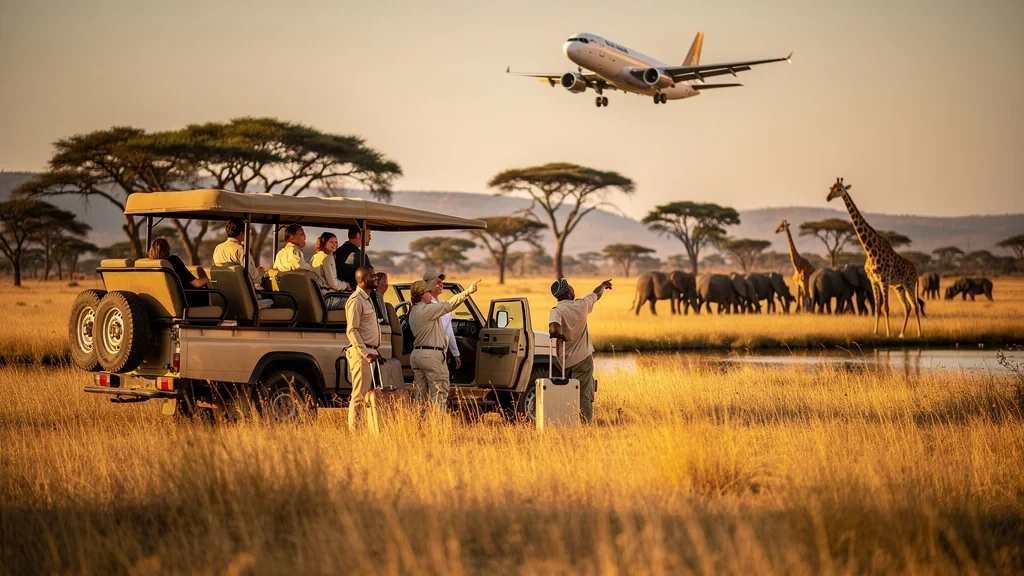
Direct airline flights and strategic park entry gates dictate the logistical flow of your entire vacation. Local airlines operate daily flights from Johannesburg and Cape Town directly into Skukuza or Nelspruit. Flying directly into these regional hubs avoids a six-hour drive from Johannesburg. SAA Airlink manages the primary routes connecting these airstrips to major cities. You save hours of driving time when you fly into the airport closest to your base. I always rent a heavy-duty 4×4 at the terminal to manage the dirt roads leading to the bush camps.
Official rangers manage gate logistics for visitors booking guided excursions. Independent travelers settle their conservation fees at the gate before entry. Rates for international tourists are currently set at R535 per adult per day, which contributes directly to anti-poaching and infrastructure efforts. Reviewing the official daily conservation fees for international visitors entering South African National Parks will help you budget.
Selecting Regions for Big Five Encounters
Geographic location determines the variety and frequency of wildlife sightings. The southern section of Kruger attracts the highest volume of visitors due to its superior animal density and proximity to the Crocodile Bridge and Malelane gates. The southern zones support dense elephant and lion populations. Central Kruger features open plains favored by cheetahs and large herds of grazers. Satara remains the premier camp for lion sightings within this region. For a more secluded experience, the northern reaches offer solitude and rare birding opportunities. The independent wildlife databases track exact mammal populations across the regions to verify these high-density predator zones.
Regional Comparison Data
| Park Sector | Primary Wildlife | Crowds | Topography |
|---|---|---|---|
| Southern | Lion, Rhino, Leopard | High | Granite Hills |
| Central | Cheetah, Zebra, Wildebeest | Moderate | Savannah Plains |
| Northern | Elephant, Rare Birds, Buffalo | Low | Mopane Scrub |
“Kruger National Park supports 507 bird species and an estimated 12,000 elephants across its diverse habitats, making it a globally recognized biodiversity hotspot.”
Safari Lodge Accommodation Types and Locations
Safari planners typically select from three primary accommodation categories:
| Accommodation Category | Average Nightly Cost | Primary Benefit |
|---|---|---|
| SANParks Rest Camps | $20 – $160 | Maximum Park Proximity |
| Luxury Private Lodges | $1,000+ | All-Inclusive Service |
| Gateway Hotels | $110 – $250 | High Value for Money |
The premier safari collection offers specialized lodge reservations that support private vacation experiences and romantic honeymoon packages. My readers expect luxury suites with private plunge pools overlooking active waterholes. You can find the best rated five star safari lodges in Kruger National Park online or compare luxury safari lodges with full meal plans for your stay if your budget allows for high-end properties. Many travelers search for luxury five star safari lodge deals to secure all-inclusive options that feature meals and game drives. If you want general pricing, browse current prices for Kruger National Park lodges or check these affordable lodging deals for Kruger National Park safari trips. You secure the best room rates when you finalize your travel dates six months in advance. I frequently check the extensive historical records published by Wikipedia to pinpoint heritage sites near these five-star facilities.
Gateway hotels located within thirty minutes of the entrance gates offer excellent value. These properties operate on a bed-and-breakfast basis while offering dinner and activities as additional options.
- Nelspruit Gateways: You can reserve an excellent room at the Rockview Lodge Nelspruit if you want to stay near the Malelane Gate. For convenience after flying, Rockview Lodge Nelspruit offers luxury accommodation near the Kruger Mpumalanga Airport. You can easily view current rates for Rockview Lodge Nelspruit for your upcoming trip or locate affordable luxury at Rockview Lodge Nelspruit to fit your budget. Travelers seeking a more intimate setting might find that Shandon Lodge provides boutique guest house stays within the city of Nelspruit. Guests frequently book your stay at the elegant Shandon Lodge for a comfortable safari or seek boutique comfort at Shandon Lodge Nelspruit which serves as an excellent base for day trips.
- Hazyview and Sabie River: You should factor in that Bushbaby Valley Lodge Hazyview overlooks the stunning Sabie River Valley area. Guests often check availability at Bushbaby Valley Lodge in Hazyview for great views or choose scenic views at Bushbaby Valley Lodge Hazyview for central-southern gate access.
- Hoedspruit and Olifants River: Bushriver Lodge Hoedspruit sits on the banks of the Olifants River. You might secure your room at the tranquil Bushriver Lodge for your next adventure or review options for riverfront relaxation at Bushriver Lodge Hoedspruit.
SANParks administers budget-friendly rest camps located within fenced perimeters inside the park boundaries. Lower Sabie Rest Camp serves as a prime example, offering caravan sites, safari tents, and small huts known as rondavels. Prices start at roughly $20 for camping spots and reach $160 for en-suite cottages. These camps provide electricity, first-aid centers, supply shops, and communal kitchen facilities for self-catering guests.
Private Game Reserves vs. SANParks Management
Greater Kruger private game reserves maintain vast, unfenced tracts of pristine bush adjacent to the public park. Local operators manage private concessions bordering the main public reserve boundaries, dropping their fences to allow free movement for all species. Sabi Sands attracts visitors specifically for its legendary leopard sightings, though you might encounter fewer large herds than in the main park.
I target these specific conservation zones because they permit off-road driving. You spot the Big Five much faster when your guide tracks fresh leopard prints straight into the thick brush. The territories feature restricted guest numbers to minimize vehicle congestion around animal sightings. Expert travel coordinators compare these distinct Greater Kruger experiences to match visitors with the right environment.
The South African National Parks authority administers the core public sections, which regulate entry times and strict vehicle limits.
My Personal Stay at Needles Lodge
Needles Lodge sits near the southern Crocodile Bridge gate within the Marloth Park conservancy. This location places guests approximately one hour from Nelspruit airport and twenty-five minutes from the park entrance. Animals like zebras, giraffes, and ostriches roam freely through the lodge grounds, often approaching the dining area during meals. The property provides a swimming pool, telescope for stargazing, and spacious communal lounges filled with books. Guest rooms contain handcrafted wooden furniture and large windows to observe the visiting fauna. I found the catering exceptional, with the team preparing high-quality communal dinners for all residents.
Self-Drive Rest Camps Versus Fully Guided Safaris
Safari enthusiasts choose between independent self-drive tours or professional guided game drives. Fully guided safaris yield higher predator identification rates. Trained rangers spot camouflaged wildlife from a mile away and coordinate via radio to share the exact coordinates of hunting cheetahs and wild dogs. I prefer riding shotgun in an open 4×4 because the elevated seating improves visibility over the tall winter grasses.
The regional tourism boards feature in-depth analysis of the Greater Kruger reserves to help visitors map out their driving routes. Self-drive tourists drive through the diverse terrain of the park to enjoy maximum flexibility during their wildlife search. You maintain complete control over your schedule if you choose a rental vehicle.
You must remain inside your vehicle at all times unless you reach a designated fenced picnic area or rest camp. Respecting the 50km/h speed limit allows you to spot well-camouflaged animals while maintaining safety for crossing wildlife. Consult with passing drivers about recent animal sightings if you want to find lions or rare wild dogs more efficiently. Most people in the park feel happy to share their coordinates. Always carry a physical map and a litter bag to keep the park pristine. Motorists top off their fuel tanks whenever they pass a petrol station to avoid running empty in remote areas. You should arrive at the entrance gate before dawn because morning queues grow rapidly during weekends and public holidays. Park officials maintain strict daily vehicle limits to protect the environment, so early arrival guarantees your entry into the reserve.
| Safari Category | Vehicle Type | Ranger Guidance | Off-Road Tracking |
|---|---|---|---|
| Public Rest Camp | Standard Rental | None | Prohibited |
| Private Lodge | Open 4×4 Cruiser | Fully Guided | Permitted |
African Safari Adventure Preparation
Proper African safari adventure preparation improves your physical health, develops your field skills, and maximizes your equipment performance. Walking safaris mandate neutral sand or khaki clothing to avoid disrupting animal behavior. Guided drive participants face fewer clothing restrictions since passengers remain inside the vehicle, though neutral tones improve the traditional safari atmosphere. Early morning game drives require several clothing layers to manage shifting temperatures, as open-sided vehicles expose passengers to cold winds. I pack lightweight clothing to beat the midday heat.
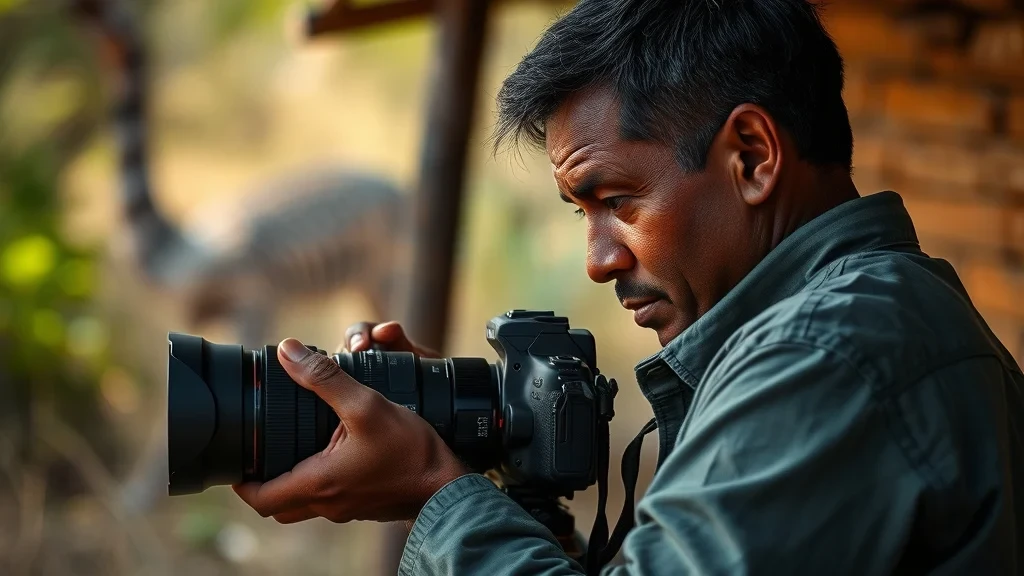
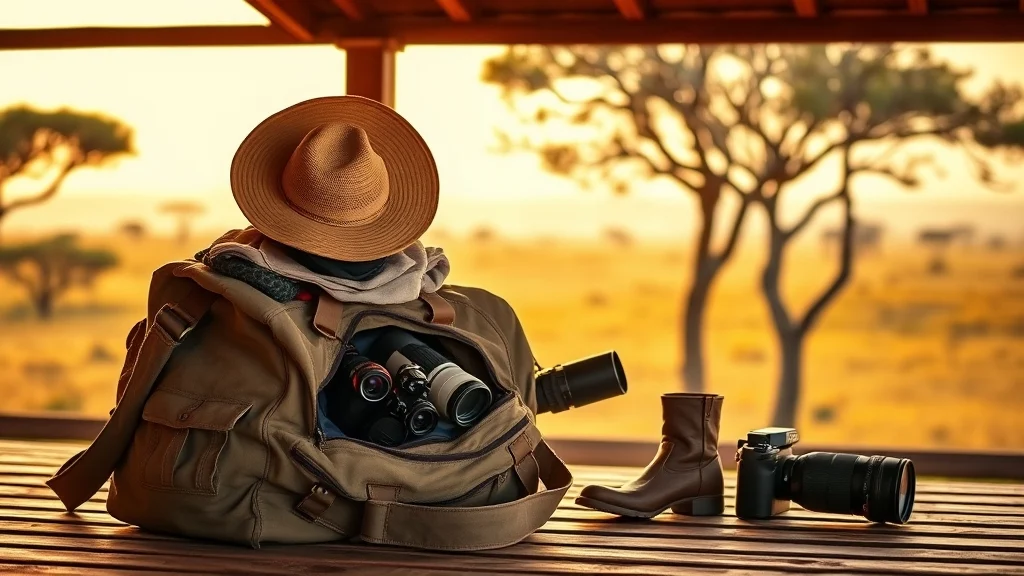
Digital cameras with powerful zoom lenses remain necessary for capturing high-quality wildlife shots at a distance. I pack high-end binoculars to sharpen field observation abilities over the course of the week. Malaria tablets and bite prevention strategies remain standard recommendations for anyone visiting the Mpumalanga region. Most lodges provide mosquito nets and repellent to help guests manage insect exposure. Consult a medical professional for prophylactic advice before your arrival.
My Answers to your Questions
- When is the best time for a Kruger National Park safari? I advise traveling between May and September. Dry conditions reduce vegetation density and force animals toward permanent water sources. Reports indicate that the dry winter months offer the best wildlife viewing opportunities because animals gather at waterholes, making them easier to spot from the road.
- How many days should I spend in the park? Four full days provide sufficient time to cover different eco-zones. Rapid trips limit your exposure to nocturnal hunters. You increase your overall sighting tally when you participate in multiple dawn and dusk drives.
- Should I choose a self-drive or a guided game drive? Guides offer expert tracking skills, elevated seating, and radio communication with other rangers. Overseas travelers typically benefit from guided game drives because professional rangers possess deep ecological knowledge. Self-driving permits a more relaxed pace and greater flexibility if you prefer solitude.
- Do I need a 4×4 vehicle for self-driving? Standard vehicles work perfectly fine on the main tarred and gravel roads. You only require a 4×4 if you plan to drive through specific off-road trails in private concessions.
- Evaluate your lodging: private vs. public? Private tracts allow off-road tracking and night drives. The public roads restrict vehicles to designated pavement and gravel paths. You photograph animals from much closer distances if you stay in a private concession.
- How much do safari drives cost?
- Private operators set their own pricing, though official SANParks night drives are very affordable at roughly R300 to R500 per person.
- Are there banking facilities inside the park? Large rest camps like Skukuza provide ATM services, but travelers should carry cash for smaller shops and gratuities.
- What should I pack for a game drive? Pack neutral-colored clothing, high-quality binoculars, and plenty of sunscreen. Temperatures fluctuate rapidly once the sun sets, so layered jackets are necessary.