What Are Kenya Safari All-Inclusive Packages?
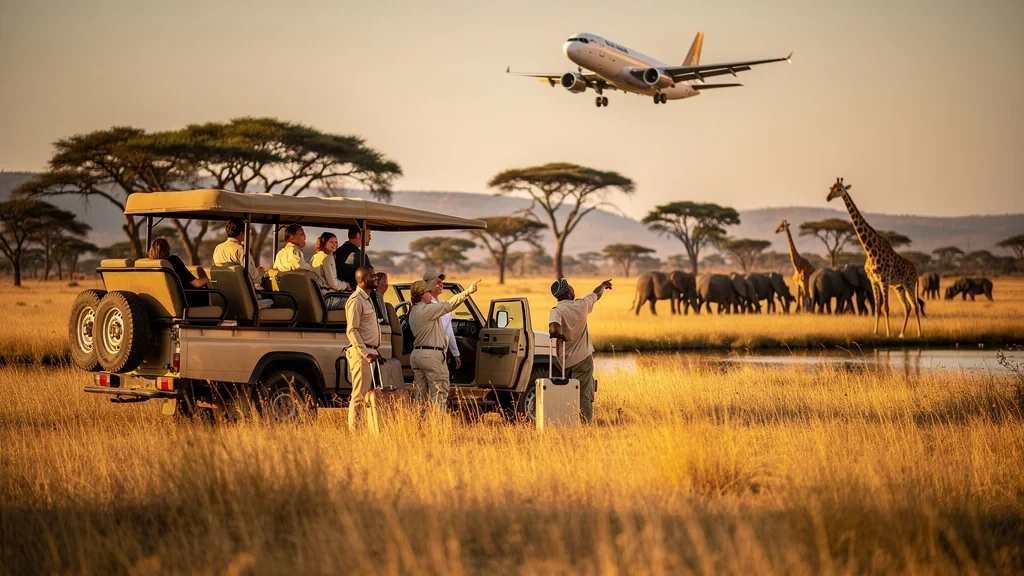
I regularly analyse African travel options, and my field research confirms that Kenya safari all-inclusive packages bundle accommodation, prepared meals, transit, park fees, and daily game drives into a single unified rate. Tour operators coordinate ground logistics across East Africa, giving international travellers a fixed-price holiday model. This structured tourism format removes administrative friction, eliminates financial stress, and allows you to focus purely on wildlife photography.
Why Choose an All-Inclusive Safari in Kenya?
Pre-paid safari bundles remove financial uncertainty by consolidating all major travel expenses upfront. I recommend these packaged holidays because they eliminate hidden costs during your trip. All-inclusive packages bundle your luxury tented camps, internal fly-in flights, bespoke itineraries, and overland transits. You benefit from this unified booking model if you dislike managing daily expenditures. Determining the utility of these travel bundles requires identifying the specific tourist demographics that utilise them.
Who Benefits Most from Fully Packaged Safaris?
High-net-worth individuals, solo travellers, and multi-generational families gain the highest value from structured African travel itineraries. Structured schedules provide security for first-time visitors crossing unfamiliar terrain. I notice time efficiency attracts wealthy clients who want immediate access to professional wildlife photographers and expert guides. Honeymooners appreciate predictable costs, while multi-generational families rely on pre-planned meal arrangements. The tour operator coordinates all travel legs. Beyond the target audience, the geographical setting dictates the fundamental structure of these tours.
Which Wildlife Habitats Define the Kenyan Environment?
The Great Rift Valley, savannah biomes, equatorial forests, and the Indian Ocean coastline form the primary biological zones of the country. I always marvel at the topographical diversity found across these regions. Tour operators manage complex logistical planning to move guests safely between these distinct areas. Your package dictates the routing, moving from arid plains toward tropical beaches. Booking a fixed-price holiday model simplifies ground operations across the country. These diverse biomes host the specific geographical zones targeted by modern safari itineraries.
Which Destinations Feature in Kenya Safari Packages?
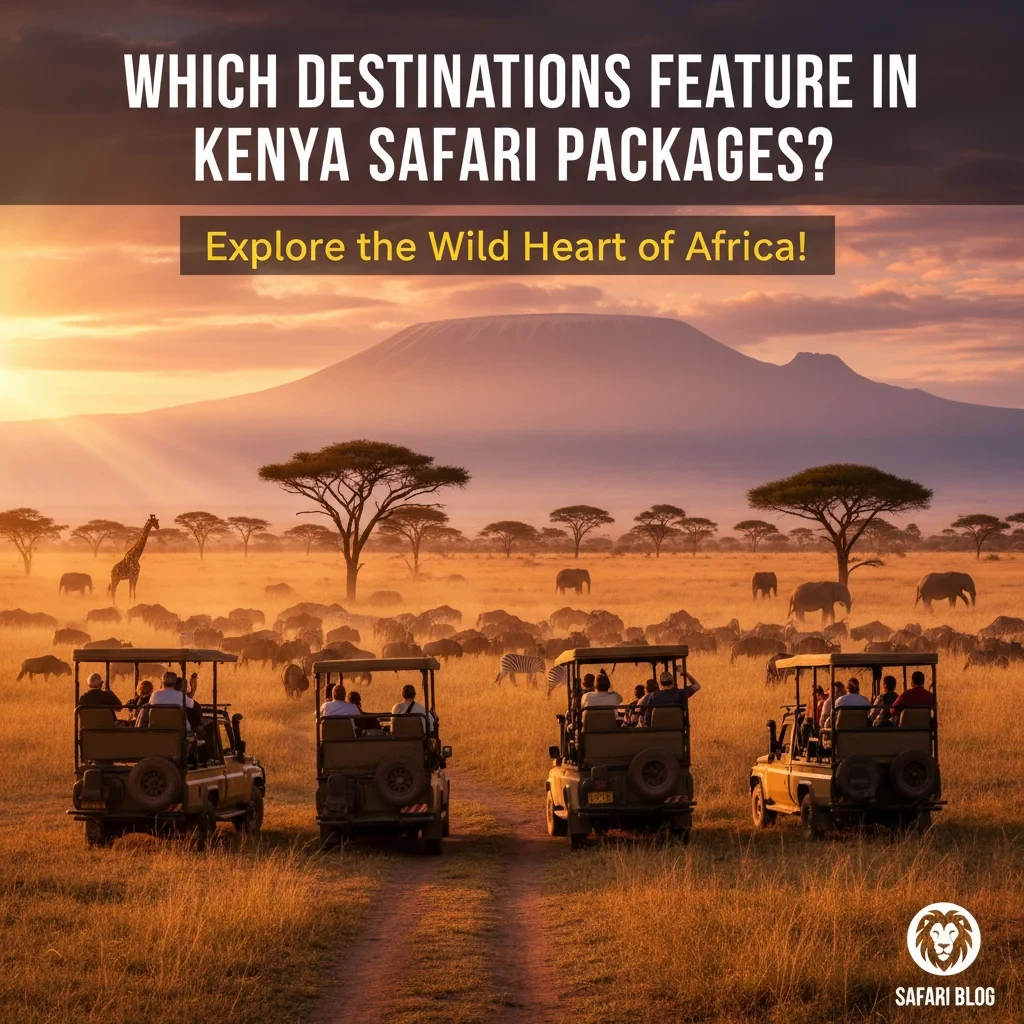 Standard travel itineraries consistently feature major National Parks, private conservancies, winding rivers, and specific luxury lodge locations. Tour providers categorise safari routes into distinct themes matching specific traveller interests:
- Book classic safaris: Seven-day itineraries target iconic national parks for intensive animal viewing and tracking.
- Combine beach environments: Coastal extensions follow bush excursions for supreme relaxation near Diani or Mombasa.
- Arrange family trips: Specialised photography tours engage children and wildlife enthusiasts alike with targeted activities.
I advise travellers to review the best all inclusive Kenya safari packages to compare current pricing trends. You can confidently secure your ideal Kenya all inclusive vacation packages to guarantee a well-organized trip before departure. We always instruct our clients to investigate the highest rated best Kenya all inclusive resorts prior to making final payment. When I plan trips for my family, I book complete all inclusive Kenya safari packages online through trusted platforms. You should examine specific Maasai Mara all inclusive hotels and lodges if you target specific geographic regions. I suggest you reserve rooms at luxury all inclusive Kenya safari resorts if your group demands extreme comfort and exclusivity.
Where Can You Witness the Great Wildebeest Migration?
The Maasai Mara National Reserve and the Mara River provide the main viewing areas for the annual Serengeti-Mara migration. The Maasai Mara provides exceptional sightings of wildebeest herds crossing rivers alongside massive groups of plains zebras. Migration timelines run strictly from July to October. These biological patterns dictate package routing and lodge availability. This protected natural habitat covers one thousand five hundred square kilometres, giving animals vast plains to graze. While the Mara dominates seasonal itineraries, alternative southern parks provide year-round megafauna visibility.
Why Is Amboseli National Park Essential for Elephant Sightings?
Amboseli National Park hosts massive herds of African bush elephants drawn to geological underground springs beneath Mount Kilimanjaro. I rate Observation Hill as the best spot for photography in this region. Amboseli National Park supports massive populations of free-roaming African bush elephants. The snow-capped mountain creates an iconic backdrop across the 392 square kilometres of protected land. You will capture incredible images if you visit these swamps during the dry months. Moving north from these southern plains introduces entirely different climatic zones and endemic species.
Which Northern Reserves Offer the Samburu Special Five?
The Samburu National Reserve supports the reticulated giraffe, Grevy’s zebra, Somali ostrich, gerenuk, and beisa oryx along the Ewaso Ng’iro River. I find these arid-adapted wildlife species fascinating because they differentiate northern safari packages from standard southern circuits. Tour guides track these rare animals through dry brush. After crossing these arid habitats, many itineraries shift focus toward coastal recovery zones.
How Do Bush-to-Beach Extensions Connect with Diani Beach?
Domestic flight corridors connect inland wildlife reserves directly to Diani Beach resorts along the Indian Ocean in Mombasa. I love the logistical process of moving from dusty plains to white sands within a single pricing structure. Tour operators schedule your internal flights to minimise travel time. Executing this multi-destination travel requires a standardised set of included services.
What Are the Core Components of an All-Inclusive Safari?
A standard fully-paid package separates guaranteed inclusions from out-of-pocket exclusions. I evaluate five primary operational components when selecting options for our readers:
- Secure luxury accommodations: Tented camps provide premium lodging inside private reserves. Eco-camps feature en-suite facilities and solar power, while permanent lodges offer structural permanence and brick walls.
- Experience daily game drives: Professional guides drive specialised 4×4 vehicles to track the famous Big Five.
- Consume prepared meals: Full-board dining features local cuisine alongside inclusive alcoholic and soft beverages. Camp managers coordinate the logistical transport of fresh produce to remote bush locations.
- Organise airport transfers: Transport services manage road travel and internal bush flights between distant destinations.
- Cover mandatory park fees: Upfront payments eliminate expensive daily entrance charges at national reserve gates.
Which Items and Services Fall Outside Standard Safari Inclusions?
International flights, staff gratuities, premium alcoholic beverages, and personal travel insurance fall outside standard package tariffs. Operators omit these exact tertiary costs from base rates. You must budget for the following extras separately:
- Purchase international flights
- Secure travel insurance
- Pay staff gratuities
- Order premium beverages
Knowing these operational parameters allows guests to better plan their daily schedules in the bush.
How Does a Daily Safari Itinerary Operate?
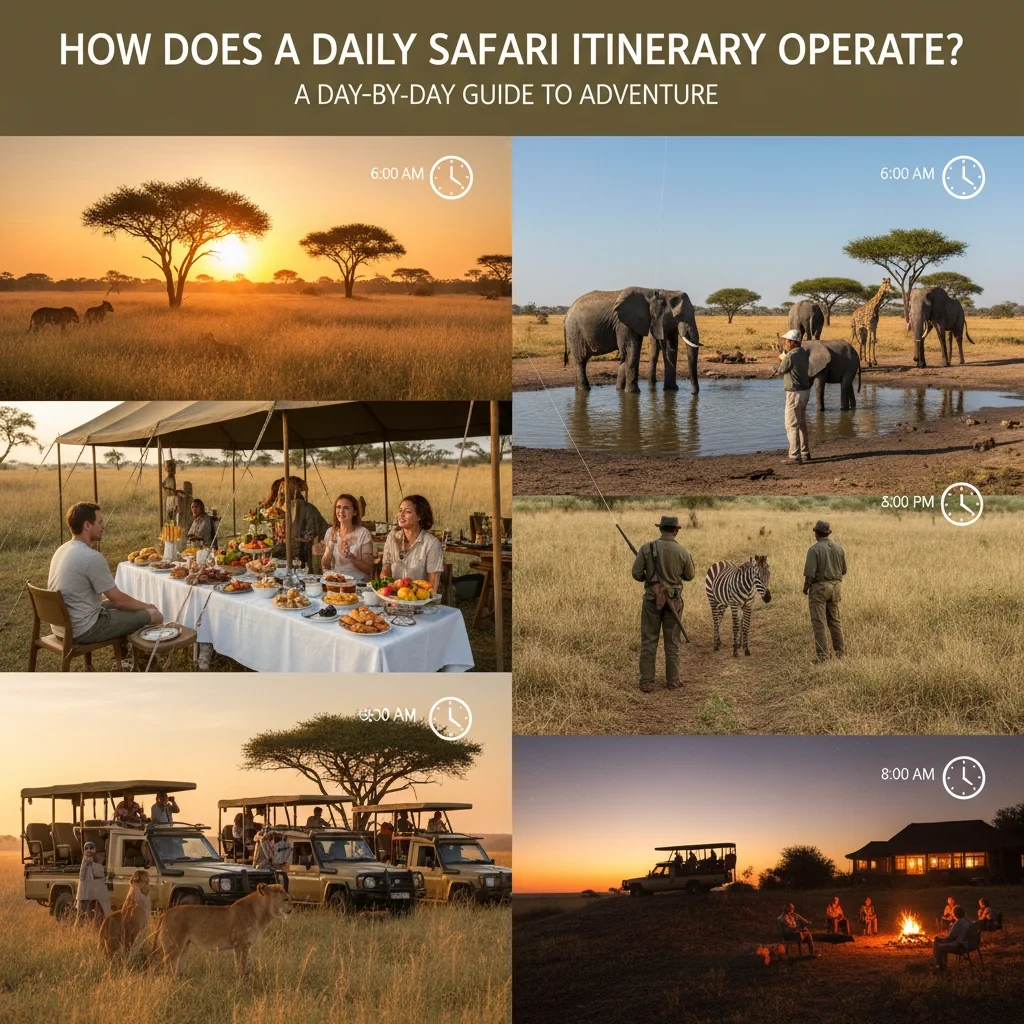 A standard 24-hour safari cycle sequences specific temporal events focused around animal activity patterns. I set my alarm early because the bush wakes up before the sun.
How Do Morning and Evening Game Drives Function?
Professional safari guides conduct 4×4 game drives during pre-dawn and late-afternoon hours to track crepuscular animal activity. Biological reasoning dictates these excursion times. Predators hunt in cooler temperatures. Guides maximise predator sightings by traversing the plains during these low-light periods. Visitors observe the highest concentration of predators during the dry months. The midday period between these vehicular excursions facilitates distinct secondary activities.
What Cultural Excursions Occur Between Game Drives?
Structured visits to Maasai villages, known as Manyattas, and Samburu communities take place during the hot midday hours. I value these interactions with local indigenous populations. Guests buy handmade crafts from beadwork cooperatives. Village entry fees create direct economic mechanisms for the community. Participating in both wildlife and cultural viewing relies entirely on specialised transport infrastructure.
Which Transportation Methods Drive Kenyan Safaris?
Light aircraft and rugged 4×4 vehicles represent the main technological tools used to cross the African plains. I compare these transit methods to help you plan your travel budget.
How Do Fly-In Safaris Compare to Road-Based Tours?
Domestic airstrips receive light aircraft, such as Cessna Caravans, operated by airlines like Safarilink and Airkenya Express. Aerial transits quantify massive time savings over bumpy roads. Overland routes deliver lower costs and higher ground visibility. Booking a fly-in safari maximises your time in camp if you possess a higher budget. For those executing overland routes or local park movement, specific vehicle engineering is mandatory.
What Features Do Customised 4×4 Safari Land Cruisers Provide?
Toyota Land Cruisers feature off-road suspension, VHF radios, and pop-up roofs for clear viewing. I rely on these mechanical modifications when crossing unpaved terrain. The raised roofs grant clear photographic vantage points. Drivers use radios to share wildlife locations. Utilising this transport infrastructure requires compliance with national territorial governance.
What Are the Regulatory Constraints for Safari Travellers in Kenya?
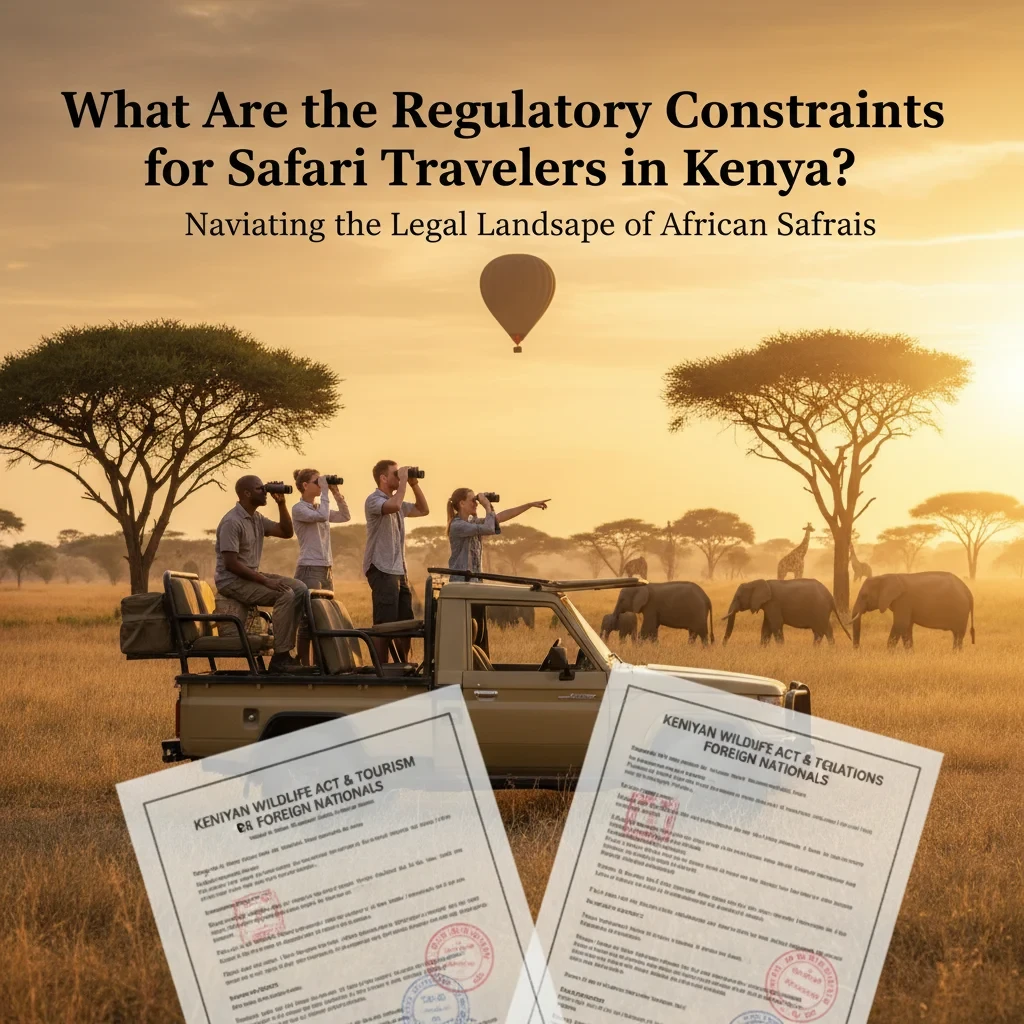 Governmental policies, daily tariffs, and legal frameworks actively dictate how international visitors enter and traverse the country. I review these regulations annually to keep my readers informed.
How Do Park Entry Fees and Conservation Tariffs Work?
The Kenya Wildlife Service and local bodies like the Narok County Council mandate daily park fees for all visitors. These entry tariffs are calculated per 24-hour cycle. The collected funds directly support anti-poaching initiatives across conservation areas. This wildlife haven relies heavily on daily conservation tariffs for protection. Accessing these parks first requires compliance with national border entry protocols.
Which Visa and Health Regulations Must Tourists Fulfill?
International arrivals must process a Kenya Electronic Travel Authorisation and carry valid medical documentation. I always remind travellers to verify World Health Organisation guidelines. You need a Yellow Fever vaccination certificate to cross the border. The digital processing steps for the eTA are mandatory. These government levies directly influence the overall commercial pricing structures.
How Are Safari Costs Calculated and Grouped?
Destination Management Companies evaluate pricing products using specific financial metrics, season variables, and service tiers. I track these pricing models closely to spot the best values. Seasonal demand and accommodation standards heavily dictate the final price of your African holiday.
Industry data from 2026 reveals a realistic mid-range safari runs $400 to $700 per person per night, while Maasai Mara National Reserve park entry fees dictate a mandatory $200 per adult per 24 hours.
What Factors Dictate the Pricing Tiers of All-Inclusive Packages?
Exclusive-use concessions, private vehicle usage, and bed-night levies form the base cost calculation model. Destination Management Companies break down the tariff structure based on exclusivity. Sharing a vehicle drops the price. Booking private land increases the daily rate. Premium conservancy properties charge higher daily fees because they strictly limit visitor numbers to protect the natural environment. Beyond service tier selections, meteorological cycles create the largest price fluctuations.
How Does Seasonality Impact Overall Package Rates?
Dynamic pricing models fluctuate dramatically between the dry peak season and the wet green season. Precipitation patterns correlate directly with resultant drops or spikes in accommodation tariffs. Travel agencies adjust base rates depending on the specific months you visit the savannah. You will secure better rates if you travel during the shoulder season between January and March. The long and short rains bring lower prices. Dealing with these seasonal shifts often presents specific logistical hurdles for travellers.
Which Challenges Arise During a Safari and How Are They Solved?
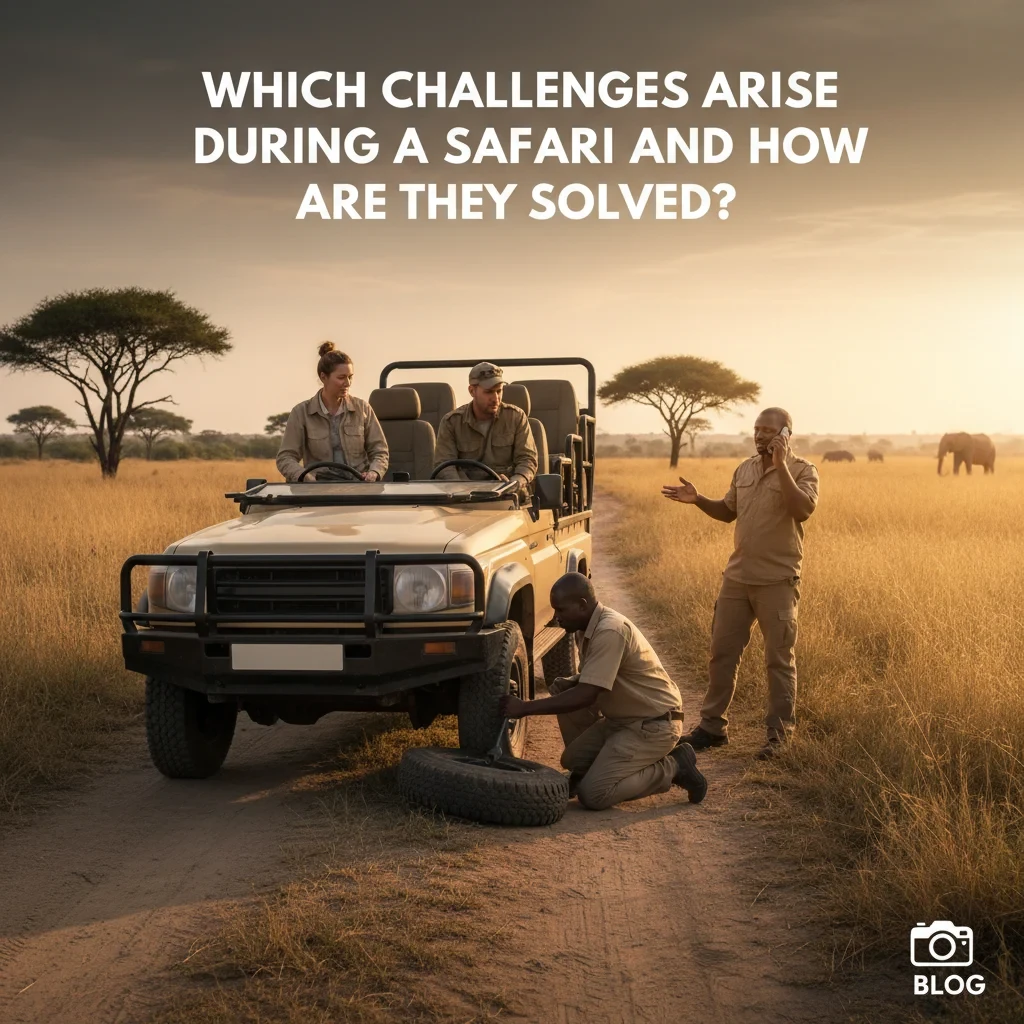 Environmental hurdles and strict logistical problems demand factual, objective solutions from tour operators and guests alike. I prepare my clients for these exact situations.
How Do Travellers Mitigate Health Risks Like Malaria?
Standard pharmacological and physical barriers prevent vector-borne diseases within endemic zones. Doctors prescribe malaria prophylaxis prior to travel. I pack DEET-based repellents for evening use. Lodges provide physical mosquito nets over the beds. Medical preparation runs parallel to strict constraints placed on physical equipment.
What Packing Strategies Alleviate Strict Luggage Weight Limits on Bush Flights?
Rigid cargo pods on light aircraft necessitate soft-sided duffel bags and strict 15-kilogram baggage allowances. I recommend packing light and utilising camp laundry services. Hard suitcases cannot fit into the small aircraft holds. Overcoming these current logistical limitations is a primary focus for upcoming industry developments.
What Are the Future Trends for Kenya Safari Packages in 2026 and 2027?
Trajectory data shows a rapid industry shift toward sustainable technology and renewable energy grids. I forecast major changes in how operators run their camps.
Kenya’s tourism sector expects total revenues to hit $5 billion by 2025, driven heavily by these fully structured safari holidays.
How Is Sustainable Tourism Shaping Eco-Friendly Safari Packages?
Community-owned conservancies drive operational shifts from diesel generators to solar-powered camps and strict single-use plastic bans. Protected zones demand renewable energy grids. Operators remove plastic bottles to protect the soil. Environmental sustainability is increasingly paired with digital advancements in the bush.
Which Technologies Are Advancing Wildlife Conservation and Guest Experiences?
Electric safari vehicles, satellite internet connectivity, and AI-driven wildlife tracking apps upgrade modern tourist connectivity. Silent EV motors minimise acoustic disturbance to wildlife. AI tracks animal movements. You will spot rare animals faster if you ride in vehicles equipped with these new digital trackers.
My Answers to your Questions

What does a standard package cost?
Most tour operators calculate base tariffs at roughly $850 for budget travellers, scaling upward to $18,000 for private luxury experiences.
Are international flights part of the bundle
Package providers explicitly exclude international airfare from their base rates, though they manage all internal domestic flight legs.
Are domestic flights included in the price?
Direct international flights from London Heathrow to Nairobi take roughly eight to nine hours. Premium fly-in safari options feature domestic bush flights prominently. Budget alternatives normally utilise road transport instead. You must verify the specific itinerary details if you require internal air travel between camps.
Do these packages cover tipping and gratuities?
Standard packages exclude tips for guides and camp staff. I recommend carrying small denomination cash notes if you plan to reward excellent service during the trip.
Do these packages operate year-round?
Operators run tours every month, adjusting routing to match the rains and the migration patterns across the plains.